Baking Glossary: Common Terms Explained for Beginners
Recipes are often written assuming you already speak the language of baking — terms like creaming, folding, and blind baking get used without explanation. This glossary covers the terms that come up most often, in plain language, with a note on why each technique matters rather than just what it means.
Mixing Terms
How ingredients get combined, and why the method matters:
- Creaming — beating butter and sugar together until pale and fluffy, usually 3–4 minutes. This isn't just combining them; it's beating air into the butter, which expands in the oven and helps the cake rise.
- Folding — gently combining a light, airy mixture (like whipped egg whites) into a heavier one using a scooping, turning motion rather than stirring, to avoid knocking out the air you just whipped in.
- Whipping/beating — rapidly agitating ingredients (eggs, cream) to incorporate air and build volume and structure.
- Sifting — passing dry ingredients through a fine mesh to remove lumps and aerate them, which helps them combine more evenly into batter.
Dough and Batter Terms
Terms that describe what's happening to a dough or batter:
- Kneading — working dough with repeated folding and pressing to develop gluten, giving bread its structure and chew.
- Proofing — letting yeasted dough rest so the yeast produces gas and the dough rises, usually done once after mixing and again after shaping.
- Resting (dough) — letting dough sit, usually chilled, so gluten relaxes (making it easier to roll) and fat firms back up (reducing spread in cookies).
- Overmixing — mixing past the point ingredients are combined, which develops too much gluten and leads to a dense or tough result. See how to fix overmixed batter.
Pie and Pastry Terms
Terms specific to pies, tarts, and pastry:
- Blind baking — baking a pie or tart crust on its own, before adding the filling, usually weighed down with pie weights or dried beans to keep it from puffing or sliding. See how to blind bake a pie crust.
- Docking — poking small holes in rolled-out dough with a fork before baking, to let steam escape and prevent large bubbles.
- Egg wash — beaten egg (sometimes with a splash of water or milk) brushed on dough before baking for shine and browning.
- Lattice — a woven top crust of dough strips, used on fruit pies partly for looks and partly to let steam escape. See lattice pie crust guide.
Cake and Decorating Terms
Terms specific to cakes and finishing techniques:
- Crumb coat — a thin, rough first layer of frosting applied to seal in loose crumbs before the final, smooth layer goes on.
- Leveling — trimming a domed cake top flat with a serrated knife so layers stack evenly. See how to level, fill, and stack a layer cake.
- Ganache — a mixture of chocolate and warm cream, used for drips, fillings, or a glossy glaze. See chocolate ganache drip cake guide.
- Naked cake — a cake finished with a thin, minimal layer of frosting so the sponge layers show through. See naked cake style guide.
Frequently Asked Questions
Most baking terms describe a specific, practical reason for doing something a certain way — not just tradition for its own sake. Understanding the why behind a term usually makes it much easier to tell when a recipe step actually matters and when there's room to improvise.
Cake Baking for Beginners explains these exact techniques in context, step by step, across six full lessons.
See Cake Baking for BeginnersRelated Articles
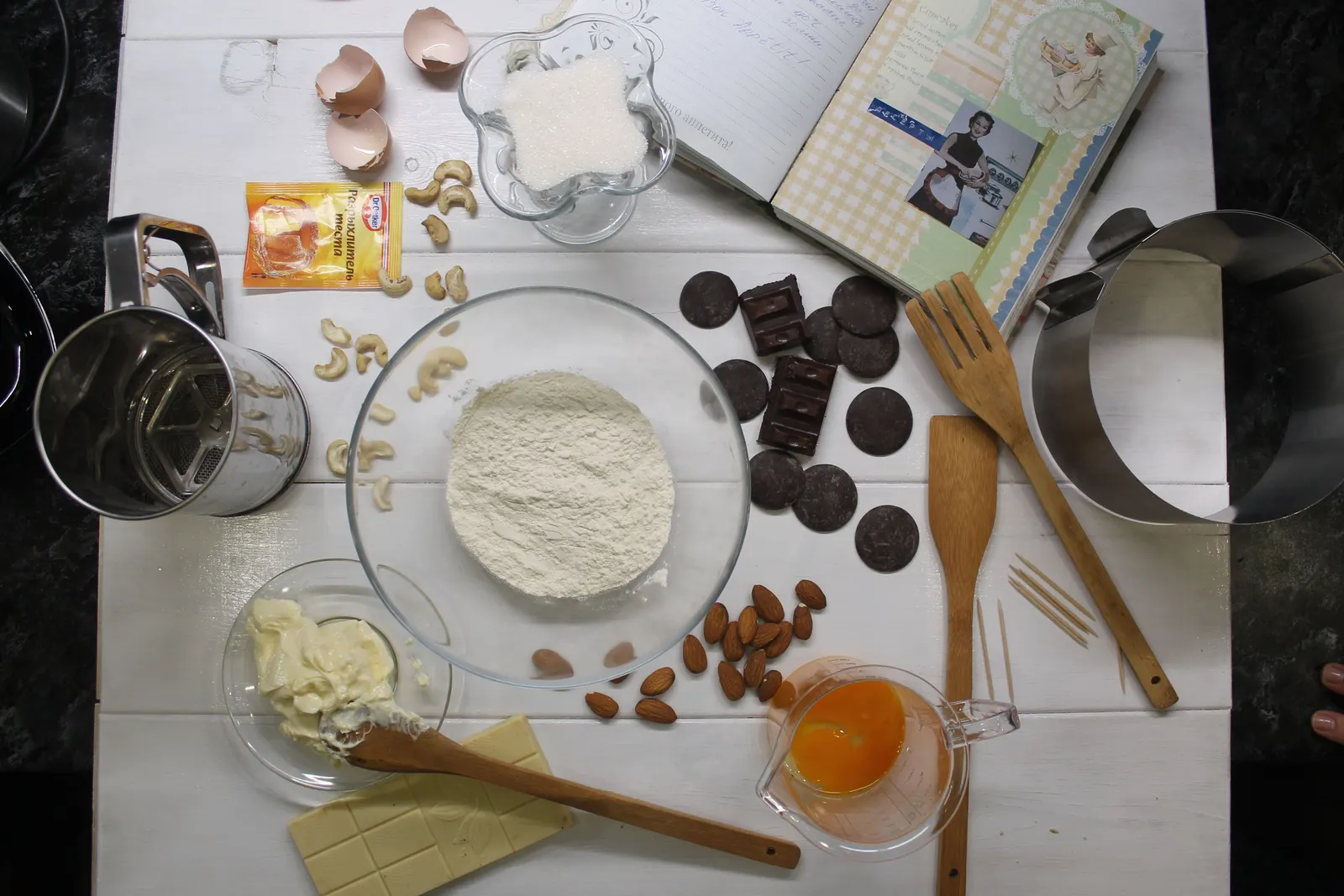
Essential Baking Tools for Beginners: What You Actually Need
You don't need a fully stocked bakery to start. Here's what actually matters for consistent results, why each tool earns its place, and what you can skip for now.
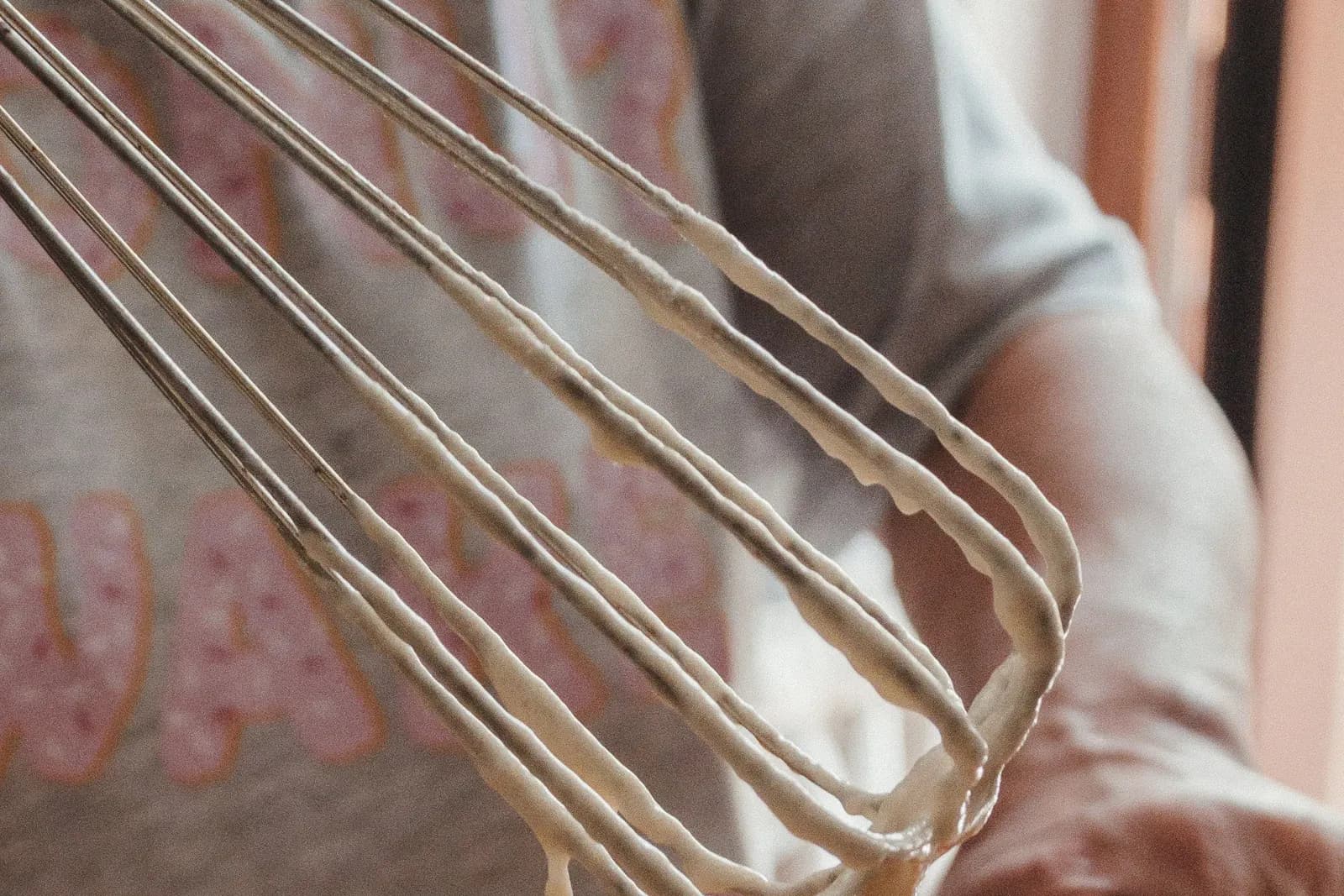
How to Fix Overmixed Batter (and How to Avoid It Next Time)
Overmixing develops too much gluten, leading to a dense, tough result. Here's how to recognize it, what (if anything) you can do about it, and how to avoid it going forward.
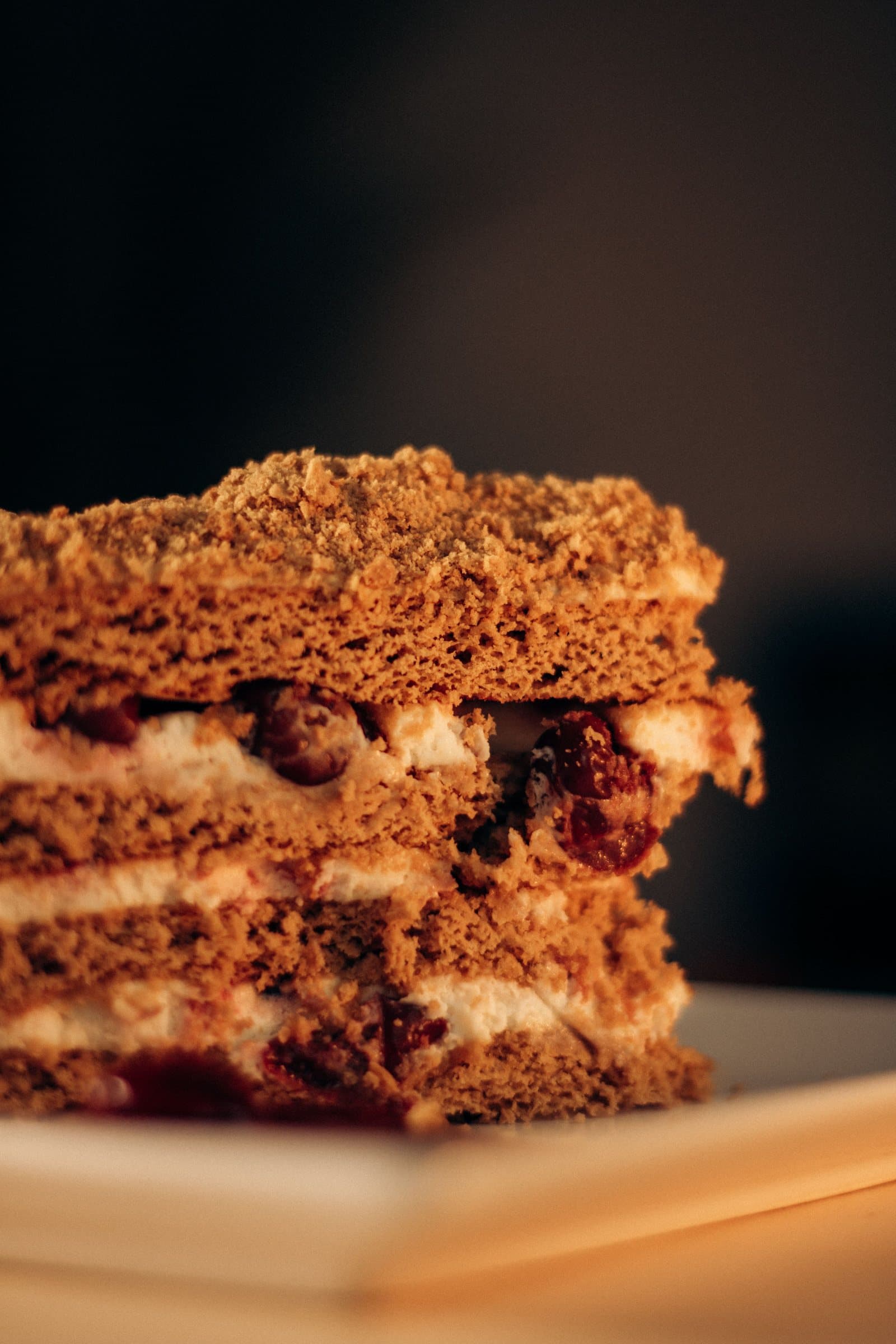
How to Level, Fill, and Stack a Layer Cake for Beginners
Leveling, filling, and stacking are what separate a cake that leans or slides from one that stands straight and cuts clean. Here's the full process, step by step.