Essential Baking Tools for Beginners: What You Actually Need
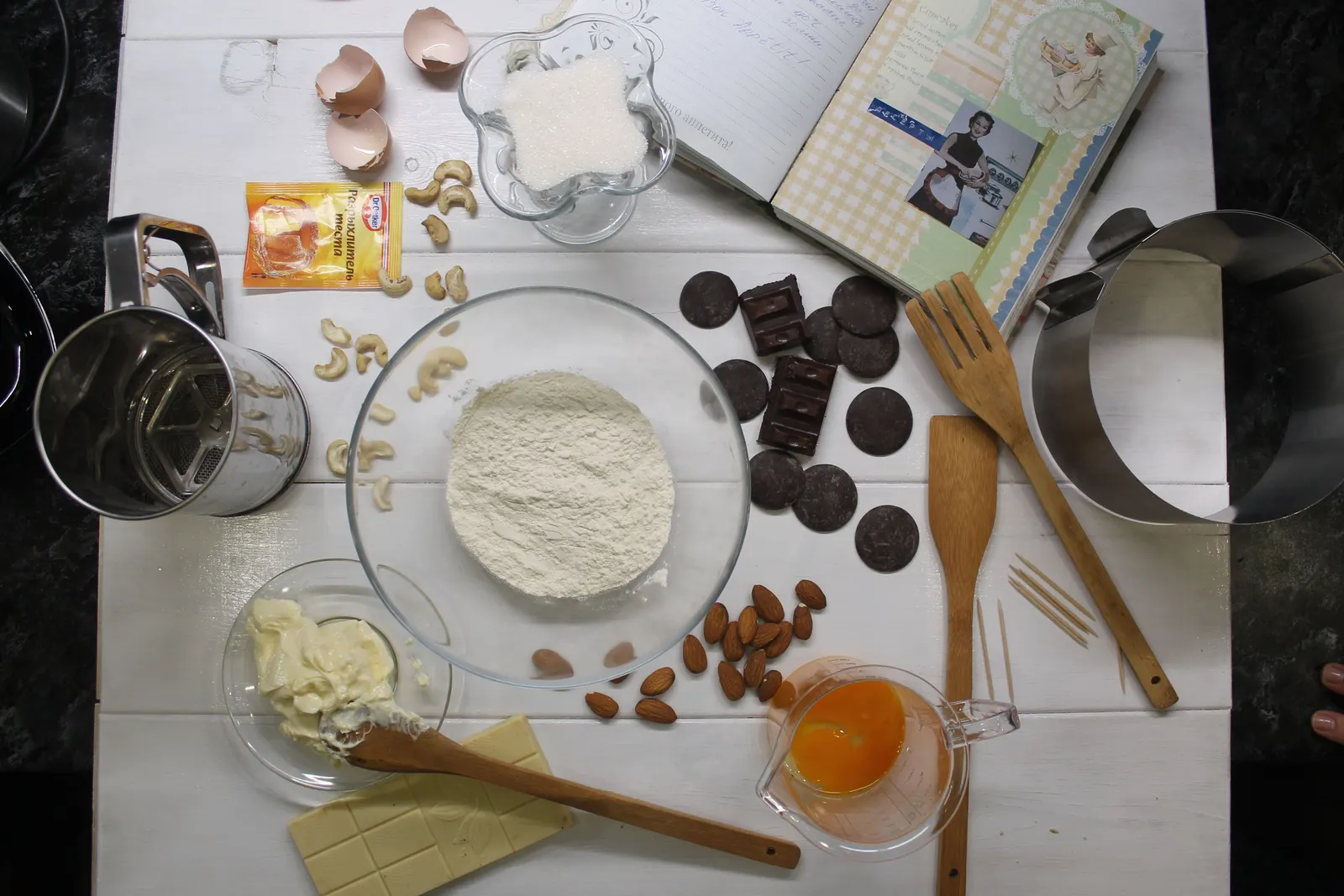
Baking tool lists can make it sound like you need a dozen gadgets before you're allowed to bake a single cake. In practice, a short list of genuinely useful tools covers almost everything — the rest is optional, nice-to-have, or solves a problem you don't have yet.
Here's what actually earns a place in a beginner's kitchen, and why.
The Tools Worth Buying First
These come up in nearly every recipe, and each solves a real, recurring problem.
- Digital kitchen scale — the single biggest accuracy upgrade available. Weighing flour avoids the ±20% variation that comes from scooping with a cup (see how to measure cake ingredients accurately for the full explanation).
- Mixing bowls (a nesting set) — one small for wet ingredients, one large for dry, one medium for everything in between.
- Measuring cups and spoons — for the ingredients a scale can't easily measure, like a teaspoon of vanilla extract.
- A balloon whisk — for combining dry ingredients and whisking eggs; its rounded shape incorporates air better than a flat whisk.
- A rubber spatula — for folding batter and scraping bowls clean without leaving half the batter behind.
- A wire cooling rack — lets air circulate under cookies and cakes as they cool, which also helps prevent a soggy bottom.
- Parchment paper — keeps baked goods from sticking without needing to grease and flour every pan.
- An oven thermometer — a genuinely underrated tool. Many home ovens run 15–25°F hotter or cooler than their dial says, which explains a surprising number of unexplained "why did this turn out wrong" problems.
- At least one 9-inch round cake pan and one standard baking sheet — the two most commonly called-for pan sizes.
A Mixer: Hand or Stand?
A hand mixer is the more budget-friendly starting point and handles creaming butter and sugar, whipping cream, and beating eggs just fine for most home-scale recipes. A stand mixer is a genuine upgrade once you're baking often enough that hands-free mixing (and the extra attachments) earn back their cost — see stand mixer vs hand mixer for a full comparison.
Tools You Can Wait On
These are genuinely useful eventually, but not worth buying before you've baked enough to know you need them.
- A rolling pin — essential once you're making pie crust or rolled cookies, unnecessary before that.
- Piping bags and tips — wait until you're ready to practice frosting technique specifically.
- Specialty pans (bundt, springform, tube) — buy these when a specific recipe calls for them, not preemptively.
- A bench scraper, cake turntable, or offset spatula — genuinely helpful for decorating, but not for a first few bakes.
Frequently Asked Questions
A scale, a few bowls, basic hand tools, and an oven thermometer cover almost everything a beginner needs to bake consistently. Everything past that is worth buying when a specific recipe or a specific recurring frustration calls for it — not before.
Cake Baking for Beginners is built around exactly this toolkit, with technique lessons that assume nothing beyond it.
See Cake Baking for BeginnersRelated Articles
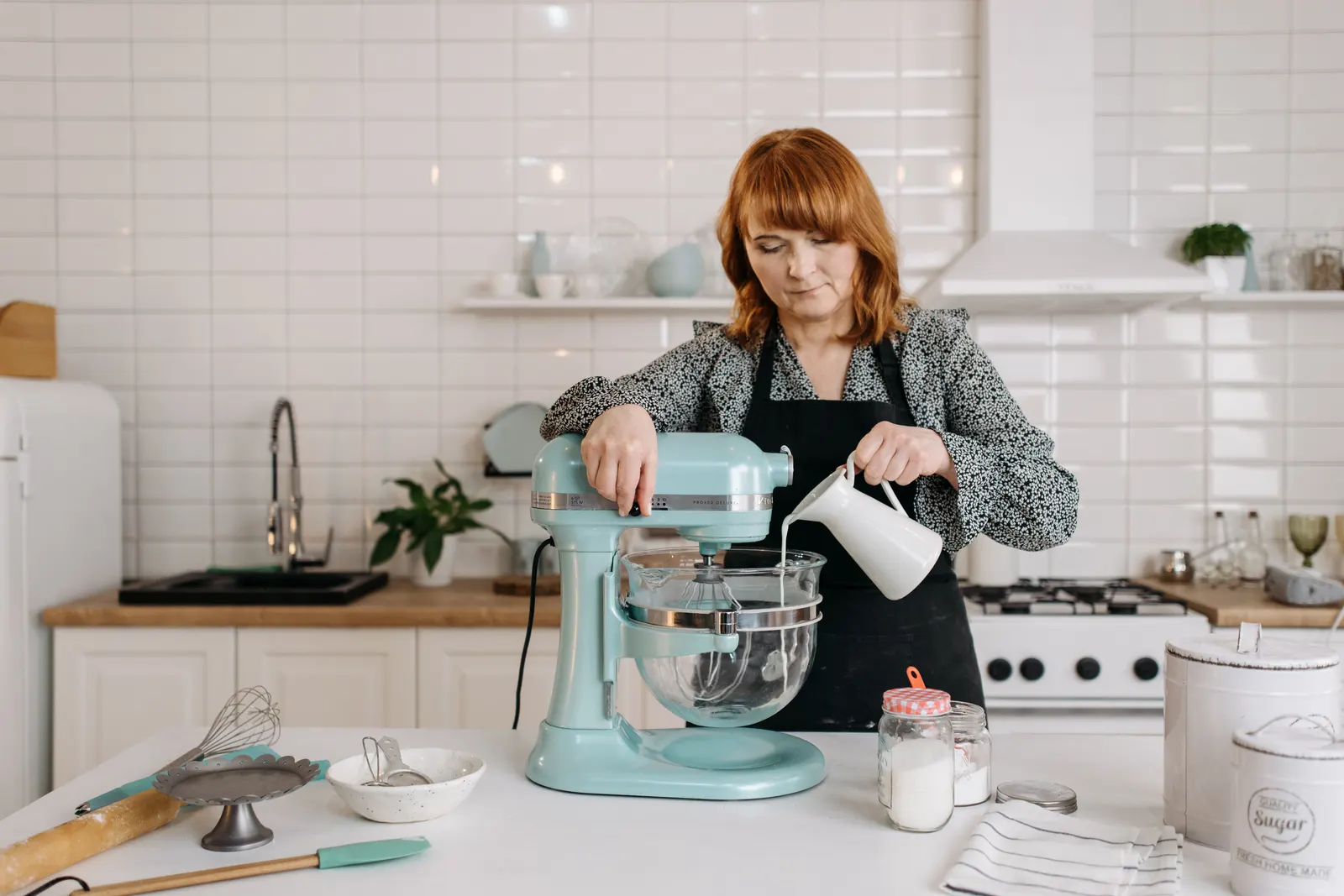
Stand Mixer vs Hand Mixer: Which Do You Actually Need?
A stand mixer isn't automatically better — it's a different tool for a different scale of baking. Here's how to decide which one actually fits how you bake.
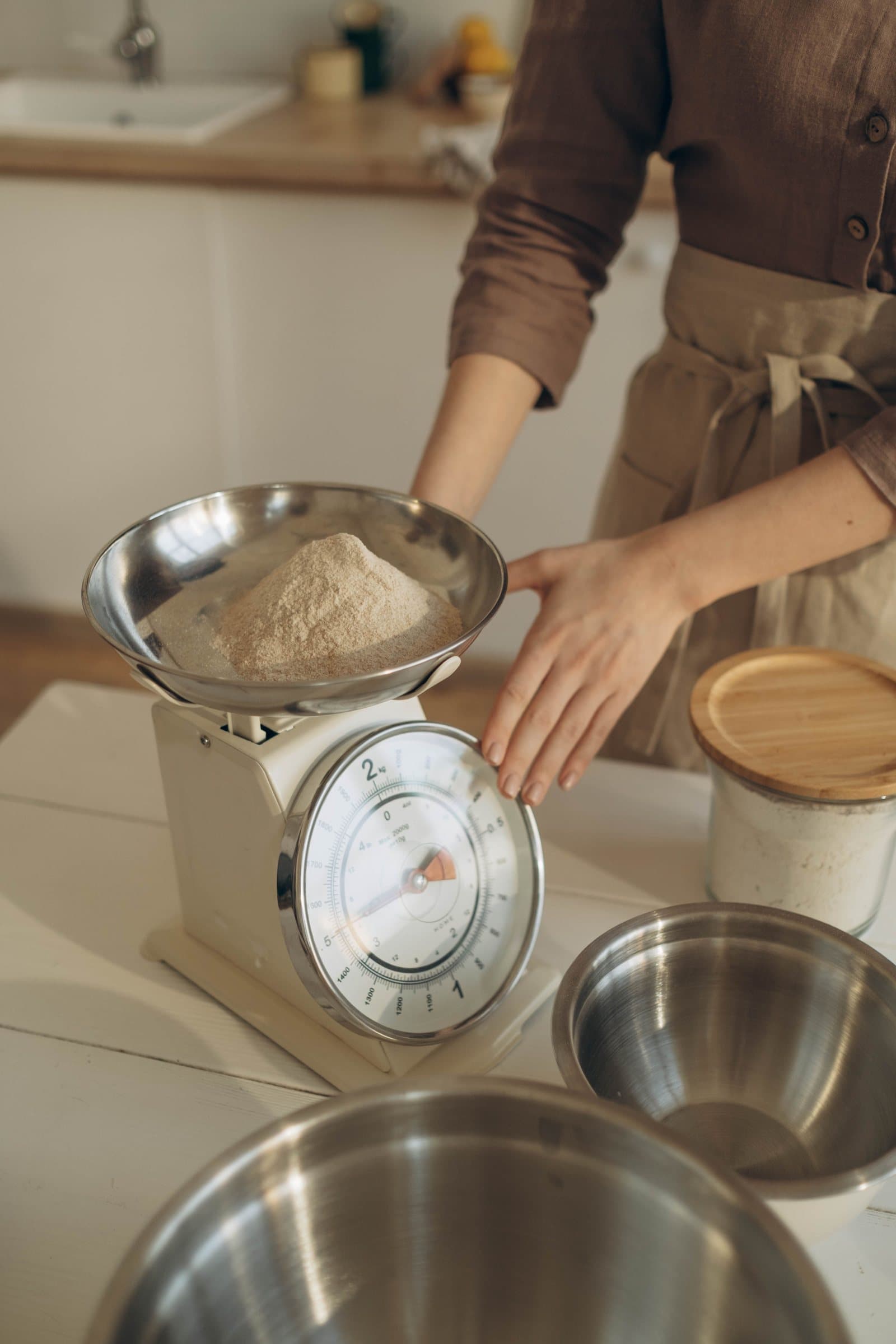
How to Measure Cake Ingredients Accurately: Cups vs. Grams
The same "1 cup of flour" can weigh anywhere from 120g to 150g depending on how it's measured. Here's how to measure accurately with cups, and why grams remove the guesswork entirely.
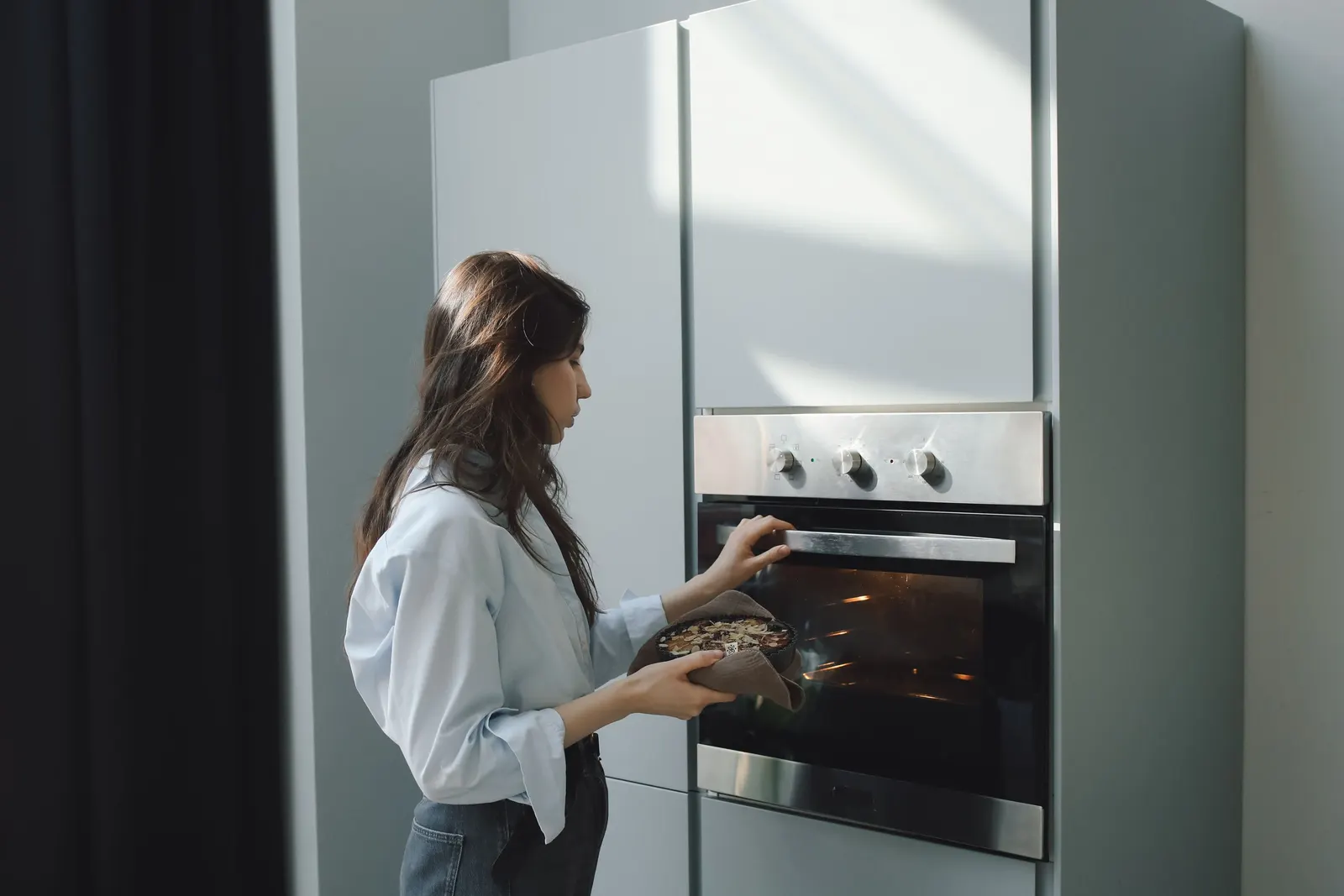
Oven Temperature Troubleshooting: Why Your Oven Runs Hot or Cold
Set your oven to 350°F and it might actually be baking at 375°F or 325°F. Here's why that happens, how to check, and what to do about it.