How to Measure Cake Ingredients Accurately: Cups vs. Grams
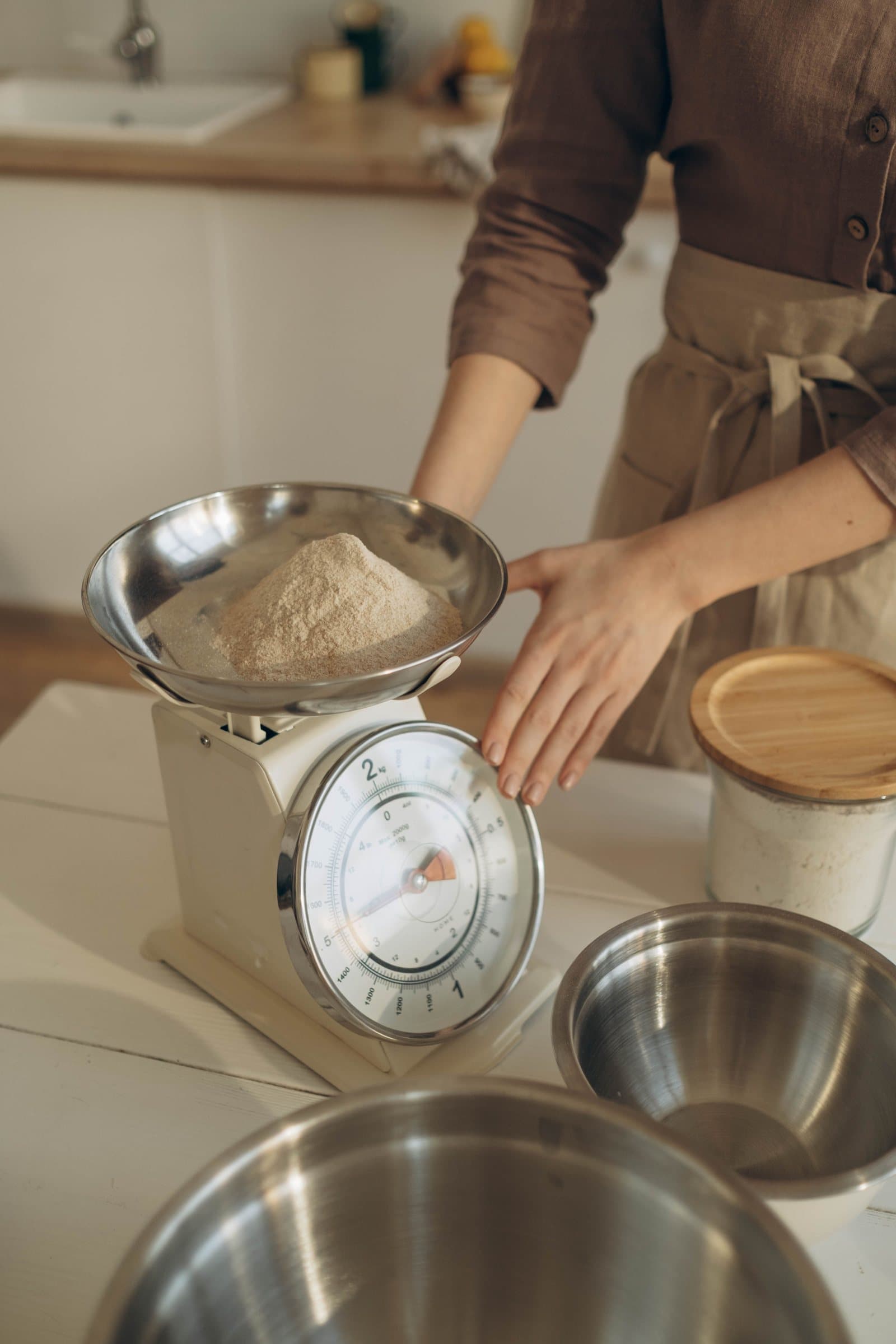
Two bakers can follow the exact same recipe, both using "measuring cups," and end up with meaningfully different amounts of flour — sometimes a 20% difference from a single cup. That gap is enough to turn a moist cake into a dry, dense one. It isn't about which baker did it "right" so much as how differently a scoop-and-level cup measurement can behave depending on technique.
This guide covers how to measure the ingredients that matter most in cake baking — flour, sugar, butter, and liquids — as accurately as possible with cups, and explains why switching to a kitchen scale removes the inconsistency altogether.
Why Cup Measurements Vary So Much
A cup is a measure of volume, not weight, and dry ingredients like flour compress depending on how they're handled. Flour that's been sitting in a bag settles and packs down; flour that's been freshly sifted is full of air. Scoop a measuring cup directly into a bag of settled flour and you can pack in significantly more than if you spoon it in loosely — the cup looks identically full either way, but the actual amount of flour is different.
This is why the same recipe measured by two people, or even the same person on two different days, can turn out noticeably different. It isn't a flaw in the recipe — it's a limitation of volume measuring for compressible ingredients.
How to Measure Flour Correctly With a Cup
Use the spoon-and-level method: fluff the flour in its container with a fork first to aerate it, then spoon the flour into the measuring cup until it's heaped above the rim, and level it off with the flat edge of a knife. Never scoop the cup directly into the flour — that's the single biggest cause of over-measuring.
As a reference point, 1 cup of all-purpose flour measured this way is approximately 120–125g. If a recipe lists a different gram weight per cup, use the recipe's own conversion, since flour types and humidity vary.
How to Measure Sugar, Butter, and Liquids
Flour isn't the only ingredient worth measuring carefully:
- Granulated sugar: spoon and level like flour, though sugar compresses far less, so it's more forgiving. 1 cup is approximately 200g.
- Brown sugar: pack it firmly into the cup unless a recipe says "lightly packed" — brown sugar is measured by volume after packing, which is the opposite rule from flour.
- Butter: use the measurement markings printed on the wrapper, or weigh it. 1 cup of butter is 226g (two standard US sticks); cutting by eye is one of the easiest places to be off by a meaningful amount.
- Liquids (milk, water, oil): use a clear liquid measuring cup on a flat surface and check it at eye level, not a dry measuring cup — dry cups aren't calibrated to be read from above and can read inaccurately for liquids.
When Weighing in Grams Is Worth Switching To
A digital kitchen scale removes the technique-dependent variability entirely — 125g of flour is 125g of flour regardless of how it's scooped, settled, or fluffed. This matters most in recipes where the ratio of flour to fat and liquid is tight, like delicate cakes and pastry, where small measuring differences show up clearly in the final texture.
A scale is also faster once you're used to it: set the bowl on the scale, zero it out ("tare"), and add each ingredient straight in without dirtying a separate measuring cup for each one. Most digital kitchen scales cost relatively little and switch between grams and ounces.
If you only ever bake with cups and get consistent results, there's no requirement to switch. But if a recipe seems to turn out differently each time despite following the same steps, inconsistent measuring is one of the most common hidden causes, and it's worth ruling out.
A Quick Reference for Common Conversions
These are the approximate gram weights used consistently throughout this site's recipes:
- 1 cup all-purpose flour ≈ 125g
- 1 cup granulated sugar ≈ 200g
- 1 cup packed brown sugar ≈ 220g
- 1 cup unsalted butter (2 sticks) = 226g
- 1 cup powdered sugar ≈ 120g
- 1 cup whole milk ≈ 240ml (240g)
Frequently Asked Questions
Measuring consistency is one of the least glamorous parts of baking and one of the most common reasons a recipe that works for someone else doesn't work the same way for you. Spoon-and-level flour rather than scooping, use the right tool for liquids versus dry ingredients, and consider a kitchen scale if you bake often enough that precision starts to matter.
Every recipe in Cake Baking for Beginners lists ingredients in both cups and grams, so you can bake with whichever method you're comfortable with.
See Cake Baking for BeginnersRelated Articles
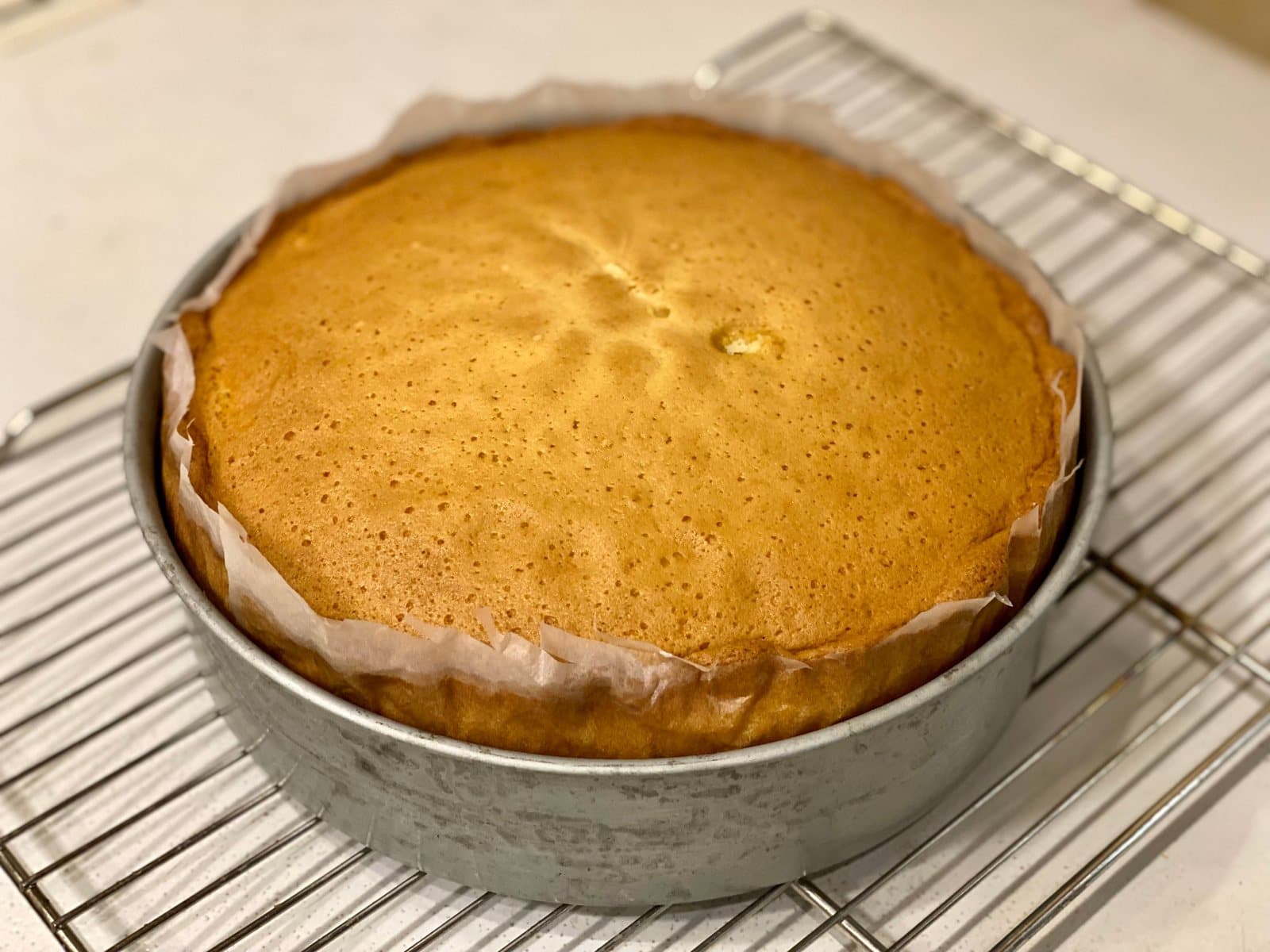
Why Does My Cake Sink in the Middle? 9 Common Causes and Fixes
A cake that sinks in the middle has a specific, findable cause — almost always one of nine things. Here's how to work out which one happened and what to change next time.
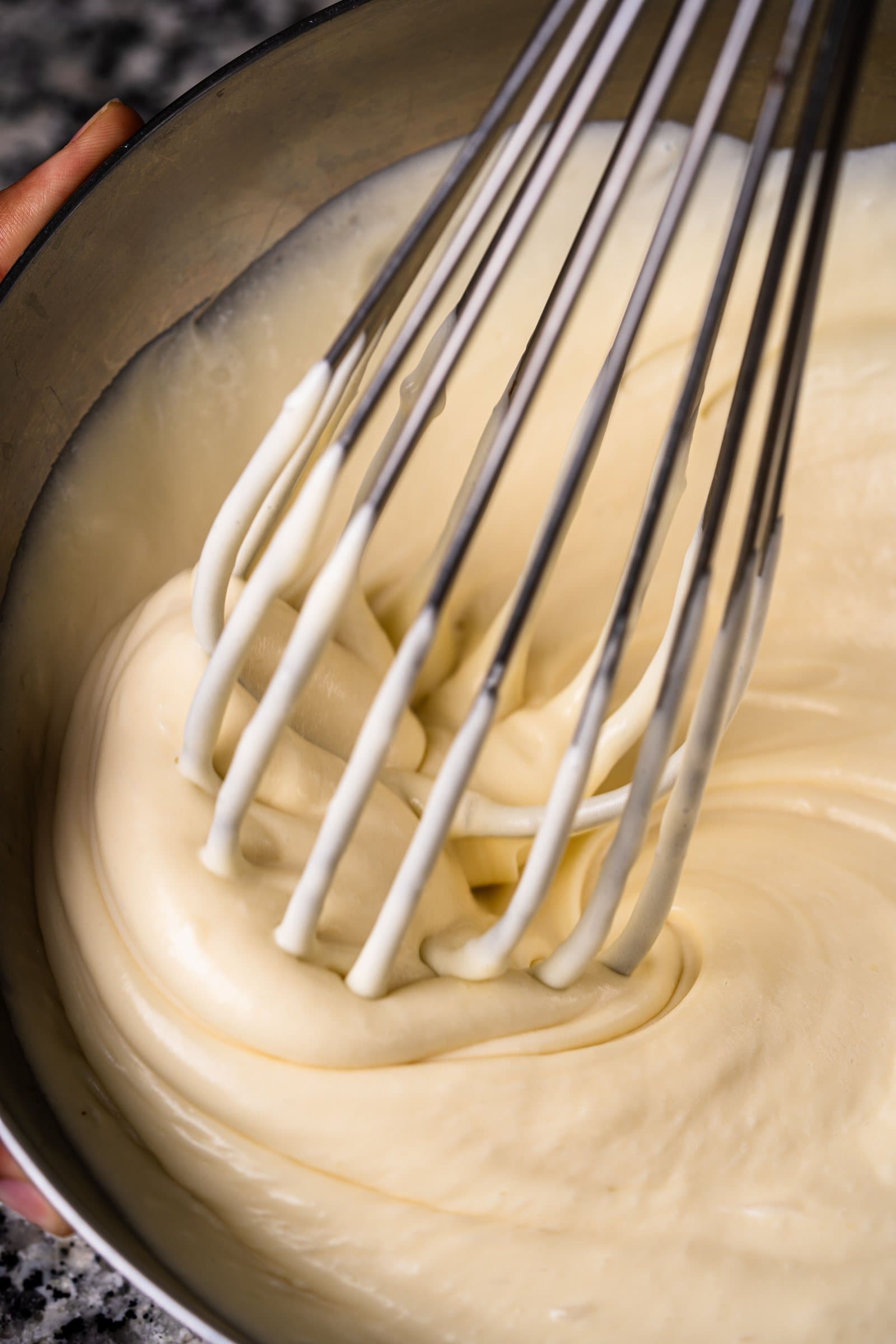
How to Bake a Moist Vanilla Cake from Scratch
A reliable, from-scratch vanilla cake recipe with exact measurements, the mixing order that actually keeps it moist, and what to check if it comes out dry or dense.
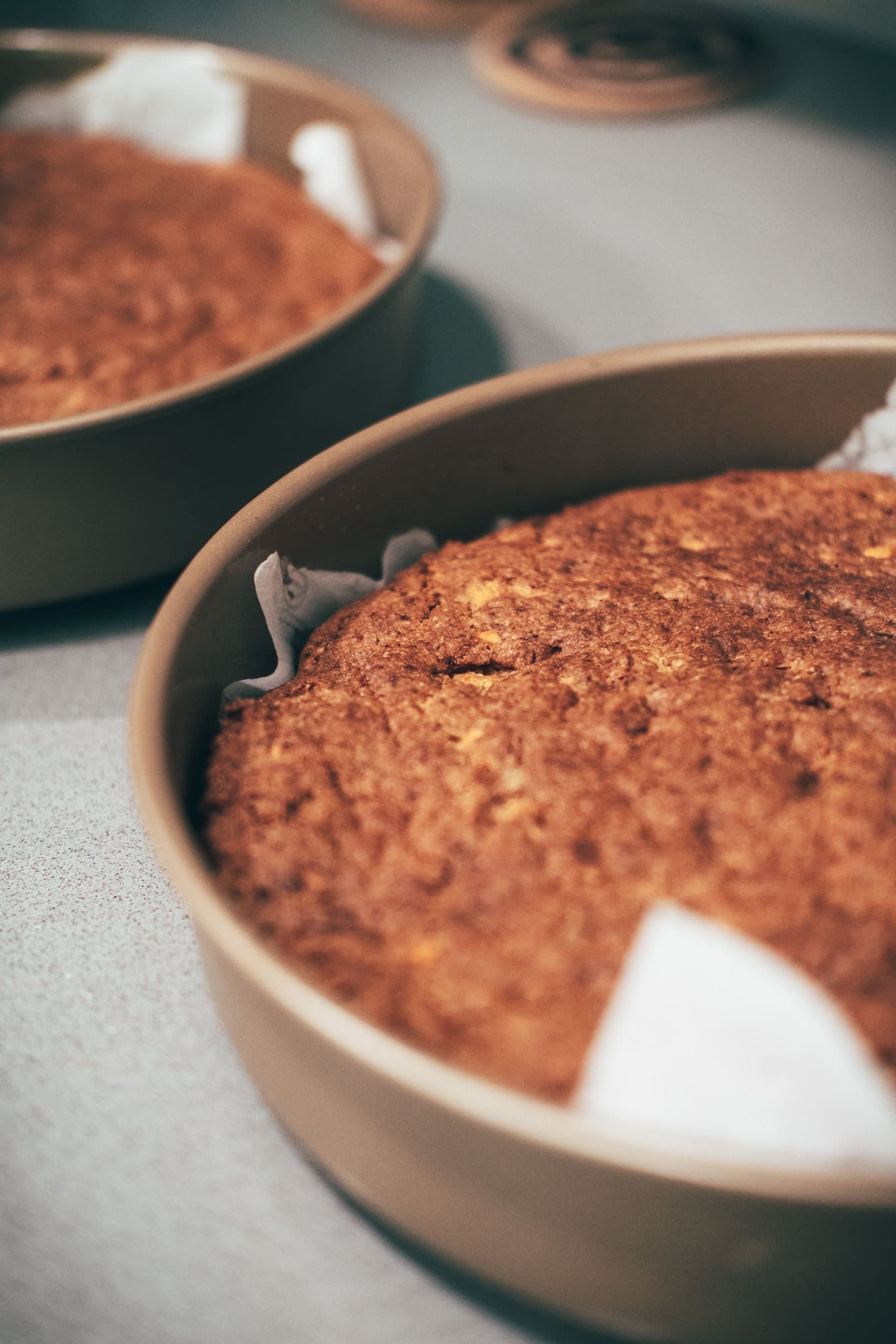
Cake Pan Sizes Explained: How to Choose the Right Pan and Adjust Baking Time
The same batter poured into a different-sized pan bakes completely differently. Here's how pan sizes compare, how to substitute one for another, and how to adjust time and temperature.