Cake Pan Sizes Explained: How to Choose the Right Pan and Adjust Baking Time
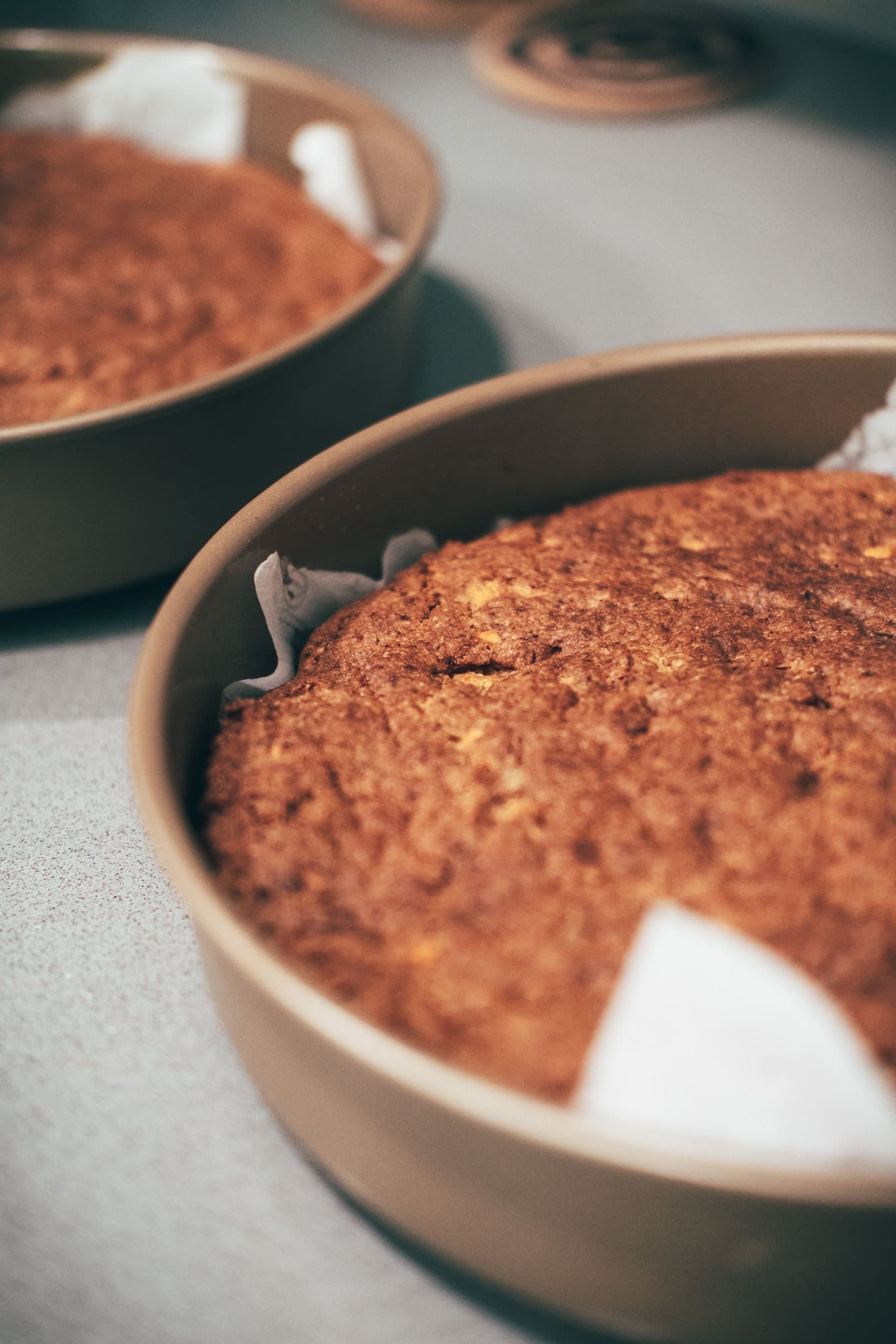
A recipe written for a 9-inch round pan and baked in an 8-inch pan instead doesn't just come out slightly different — it can mean a raw center under a burnt top, because the same amount of batter is now sitting noticeably deeper. Pan size affects batter depth, which affects how evenly heat reaches the center, which affects bake time far more than most recipes spell out.
This covers how the common pan sizes and shapes compare, how to substitute one for another using batter volume, and how to adjust baking time and temperature when you do.
Common Round Pan Sizes Compared
Round cake pans are measured by diameter. Because area increases with the square of the radius, a seemingly small jump in diameter is actually a much bigger jump in surface area and batter capacity:
- 6-inch round: about 28 square inches of surface area — serves 8–10, good for small or multi-tier cakes
- 8-inch round: about 50 square inches — serves 10–12
- 9-inch round: about 64 square inches — serves 12–14, the most common size in US recipes
- 10-inch round: about 79 square inches — serves 16–20
Square and Rectangular Pans
Square and rectangular pans are measured by their two side lengths. An 8x8-inch square pan has about 64 square inches of area — nearly identical to a 9-inch round — while a 9x13-inch sheet pan has about 117 square inches, close to double. Because a 9x13 pan is also typically shallower than a round layer pan, a cake baked in one bakes faster despite holding more batter overall.
How to Substitute One Pan Size for Another
The most reliable method is comparing the two pans' volume capacity (fill one with water and measure it, or use the surface-area figures above as an estimate) rather than guessing from diameter alone. As a general approach:
- Going to a larger pan (same batter, shallower layer): reduce the bake time, since there's less depth for heat to penetrate. Start checking for doneness 20–25% earlier than the original recipe states.
- Going to a smaller pan (same batter, deeper layer): increase the bake time, and consider lowering the oven temperature by 25°F/15°C so the outside doesn't overbake before the center catches up. Check doneness starting around the original time and continue in 5-minute increments.
- Never fill a pan more than two-thirds full with batter — if the math says a smaller pan would be over that line, split the batter across two pans or a pan and a few cupcakes instead.
Why You Can't Just Use the Same Bake Time
Heat has to travel from the outside of the batter to the center before the cake is done, and that travel time depends heavily on depth, not just total volume. A deep, narrow layer takes meaningfully longer to bake through than a wide, shallow one holding the same amount of batter, even though they'll use the same total oven time if you don't adjust — which is exactly how a cake baked in too-small a pan ends up burnt outside and raw in the middle.
Frequently Asked Questions
Pan size isn't a minor detail — it's one of the main reasons a recipe that works perfectly for one baker comes out undercooked or overbaked for another. When substituting, compare actual volume capacity where you can, adjust time and temperature in the direction that matches whether your pan is bigger or smaller, and lean on the toothpick test over the clock.
Celebration Cakes for Every Occasion includes a full lesson on sizing a cake to your guest count, plus 40 recipes across every pan size covered here.
See Celebration Cakes for Every OccasionRelated Articles
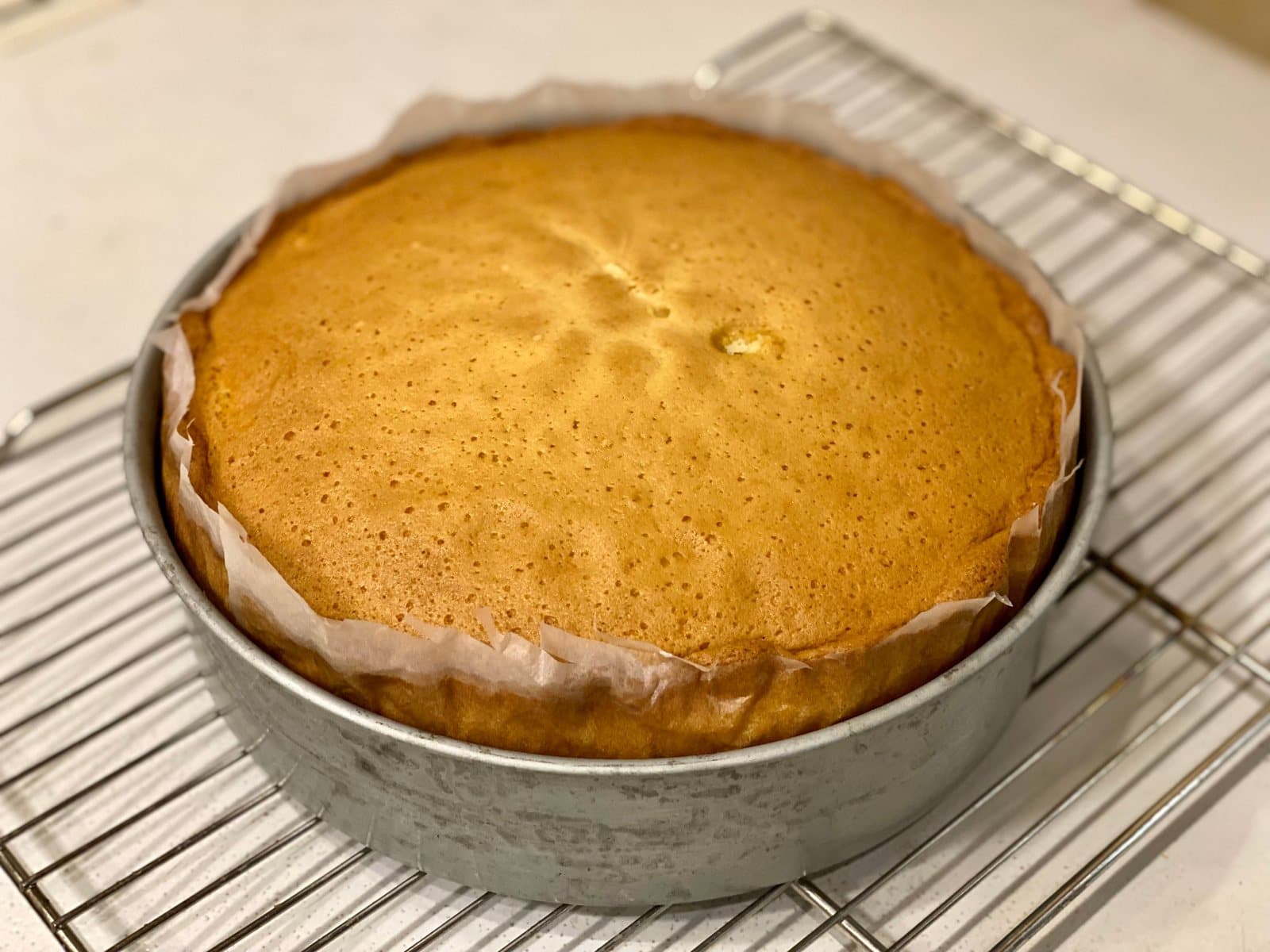
Why Does My Cake Sink in the Middle? 9 Common Causes and Fixes
A cake that sinks in the middle has a specific, findable cause — almost always one of nine things. Here's how to work out which one happened and what to change next time.
How to Bake a Moist Vanilla Cake from Scratch
A reliable, from-scratch vanilla cake recipe with exact measurements, the mixing order that actually keeps it moist, and what to check if it comes out dry or dense.
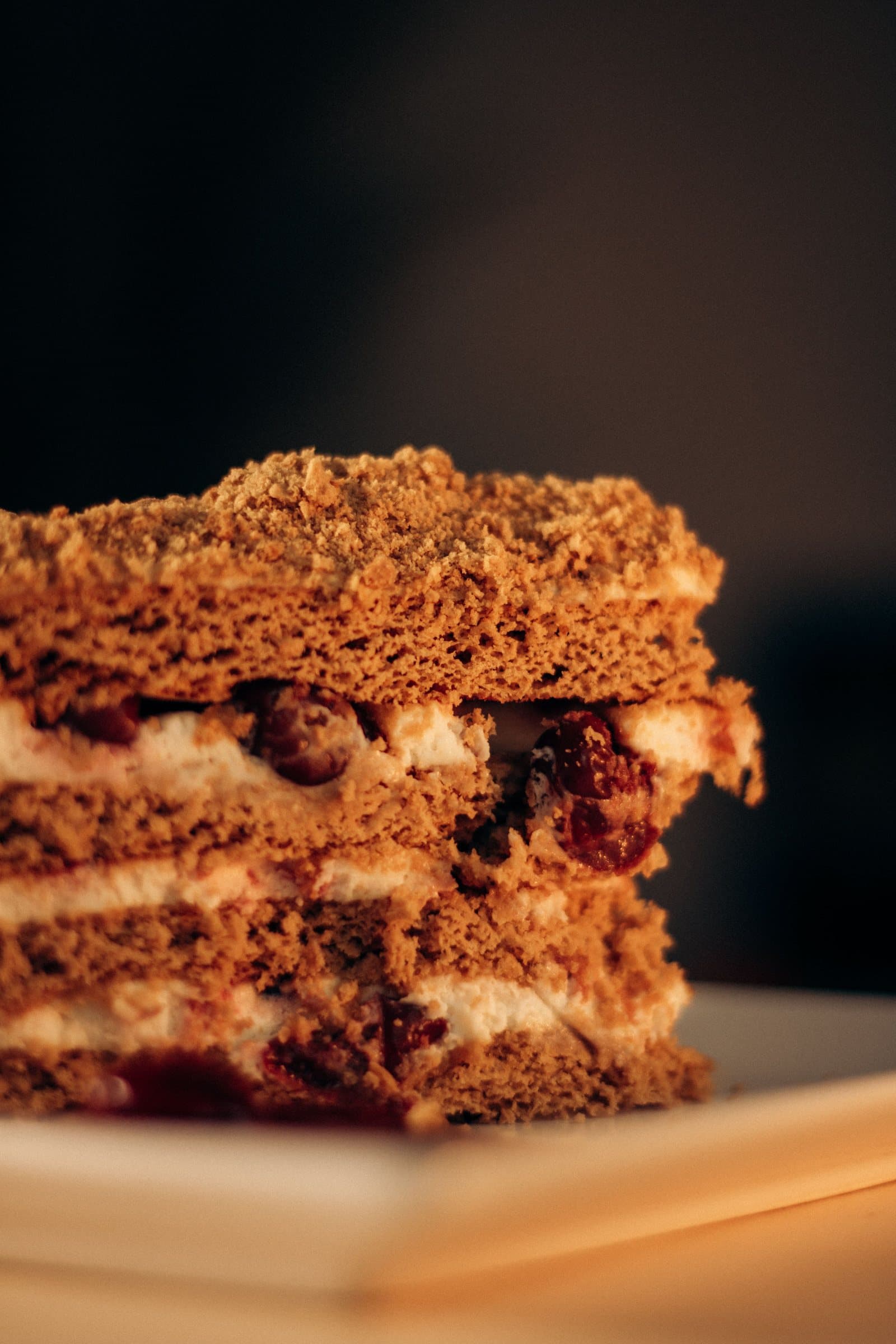
How to Level, Fill, and Stack a Layer Cake for Beginners
Leveling, filling, and stacking are what separate a cake that leans or slides from one that stands straight and cuts clean. Here's the full process, step by step.