Why Does My Cake Sink in the Middle? 9 Common Causes and Fixes
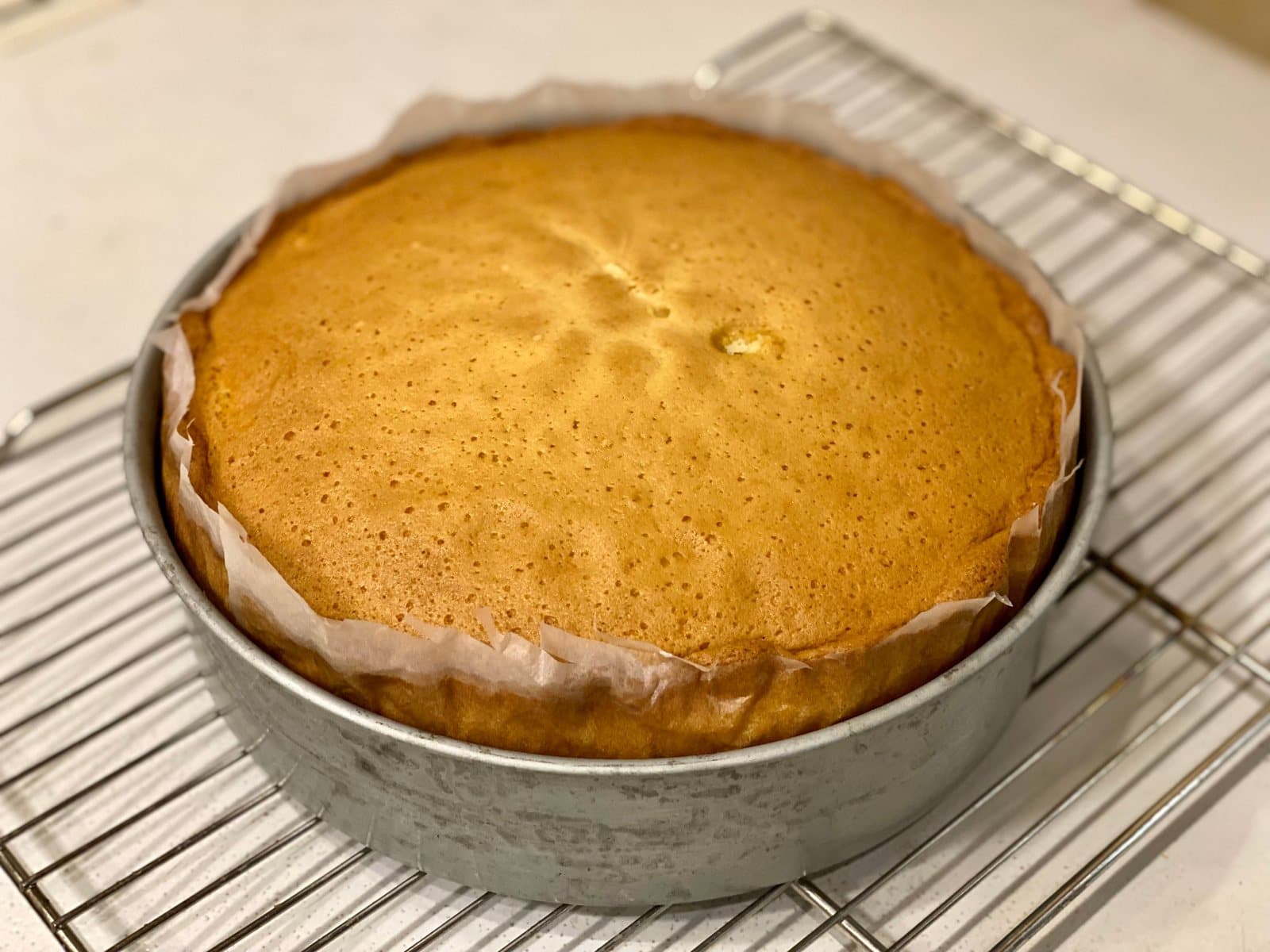
A cake that rises beautifully in the oven and then collapses in the center once it's out — or even before it's done baking — is one of the most common cake problems, and also one of the most fixable. The structure that's supposed to hold the cake up (mostly from egg proteins and starch setting as it bakes) wasn't strong enough yet when something caused it to deflate.
Below are the nine most common reasons this happens, roughly in order of how often each one is the actual cause. Work through them against what you remember about your bake, and you'll usually find the one that matches.
1. The Cake Was Underbaked
This is the single most common cause. If the center hasn't fully set when you take the cake out, it doesn't have the structure to support itself once it starts cooling, and it collapses. A toothpick inserted in the center should come out with a few moist crumbs, not wet batter — if in doubt, give it another 3–5 minutes and test again rather than guessing.
2. The Oven Temperature Was Off
Many home ovens run 15–25°F hotter or cooler than their dial or display says, which throws off both rise and set time. A cheap oven thermometer left on the rack is the most reliable way to catch this — if your oven runs cool, the cake can look done on the outside well before the center has actually set.
3. The Oven Door Was Opened Too Early
Opening the oven door lets out heat and causes a sudden temperature drop, which can collapse a cake's rise before the structure has set — especially in the first two-thirds of the bake time. Resist checking until at least 75–80% of the listed bake time has passed.
4. Too Much Leavening (Or Too Little)
Too much baking powder or baking soda makes a cake rise fast and then collapse once the bubbles it created are bigger than the batter can structurally support. Too little, and the cake doesn't rise enough to form a proper dome, settling flat or slightly sunken instead. Measure leavening with measuring spoons, not estimated spoonfuls, and don't assume more is better.
5. Overmixed Batter
Mixing develops gluten in the flour, and too much of it makes the structure tight and less able to hold its shape as steam and gas expand during baking. Mix only until the dry ingredients disappear into the batter — see how to bake a moist vanilla cake from scratch for the specific mixing order that helps avoid this.
6. Measuring Flour Inconsistently
Scooping flour directly from the bag with a measuring cup packs it down and can add up to 20% more flour than the recipe intended, throwing off the balance between structure and leavening. How to measure cake ingredients: cups vs. grams covers the spoon-and-level method, and why a kitchen scale avoids the problem entirely.
7. The Wrong Pan Size
A pan that's too small for the amount of batter means a much deeper layer that bakes unevenly — the edges and top can look done while the center is still raw. Cake pan sizes explained breaks down how to match pan size to a recipe and adjust bake time when you can't.
8. An Expired or Weak Leavening Agent
Baking powder and baking soda lose potency over time, especially once opened. If a cake barely rose at all and then sank, test your baking powder by dropping a half teaspoon into hot water — it should fizz energetically. If it barely reacts, replace it.
9. Cooling It Wrong
A cake removed from the oven and immediately set down hard, or cooled in a drafty spot with big temperature swings, can deflate even after baking through properly. Cool cakes on a wire rack, undisturbed, in a spot without a direct draft from an open window or fan.
Frequently Asked Questions
A sunken cake is frustrating, but it's rarely a mystery once you check it against this list — underbaking and an inaccurate oven temperature account for most cases, with the rest usually traced back to measuring, mixing, or leavening. Note what you changed (or didn't check) next time, and a sunken cake becomes a one-time problem rather than a recurring one.
Cake Baking for Beginners includes a full lesson on troubleshooting why cakes sink, dry out, or bake unevenly, alongside 25 complete recipes.
See Cake Baking for BeginnersRelated Articles
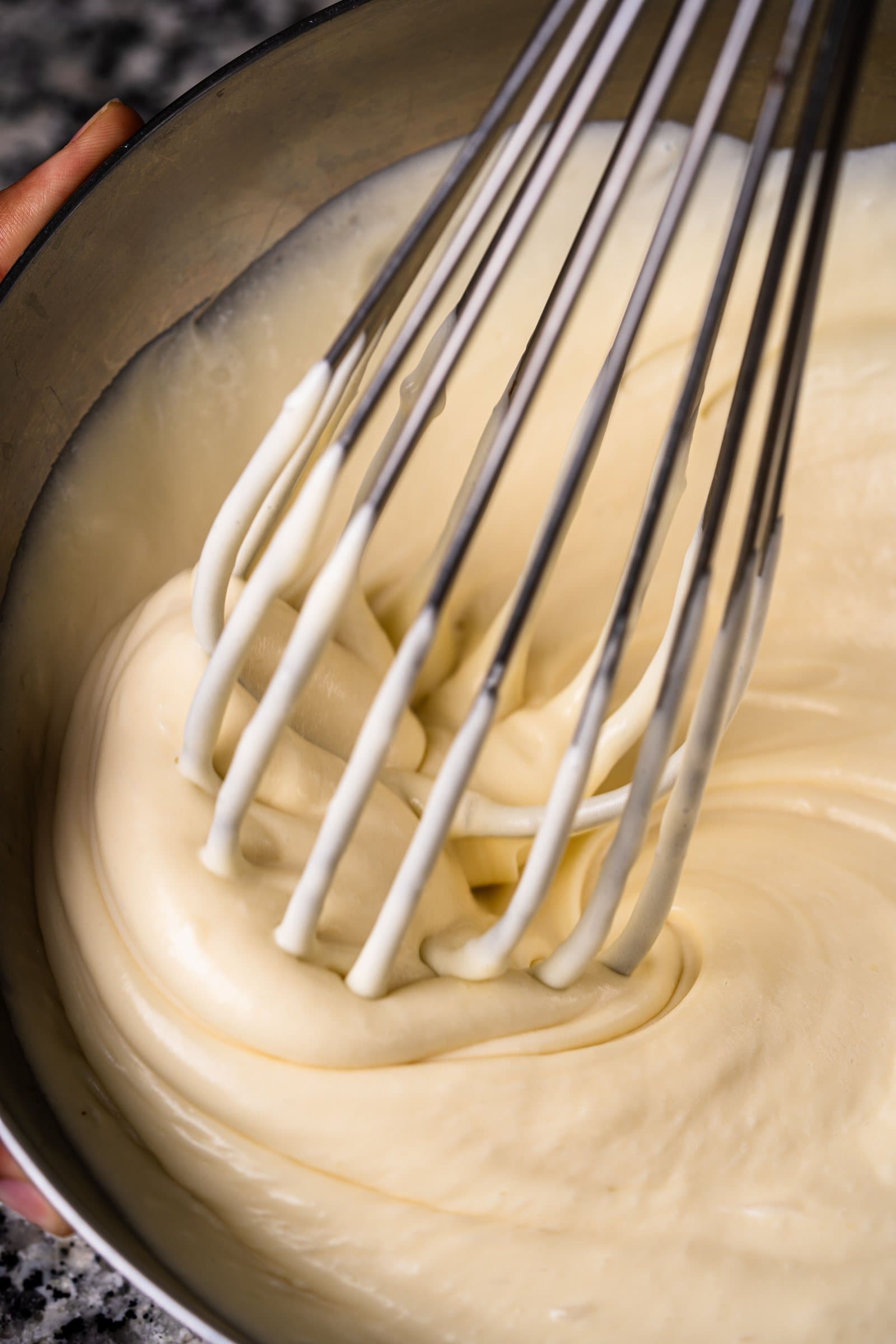
How to Bake a Moist Vanilla Cake from Scratch
A reliable, from-scratch vanilla cake recipe with exact measurements, the mixing order that actually keeps it moist, and what to check if it comes out dry or dense.
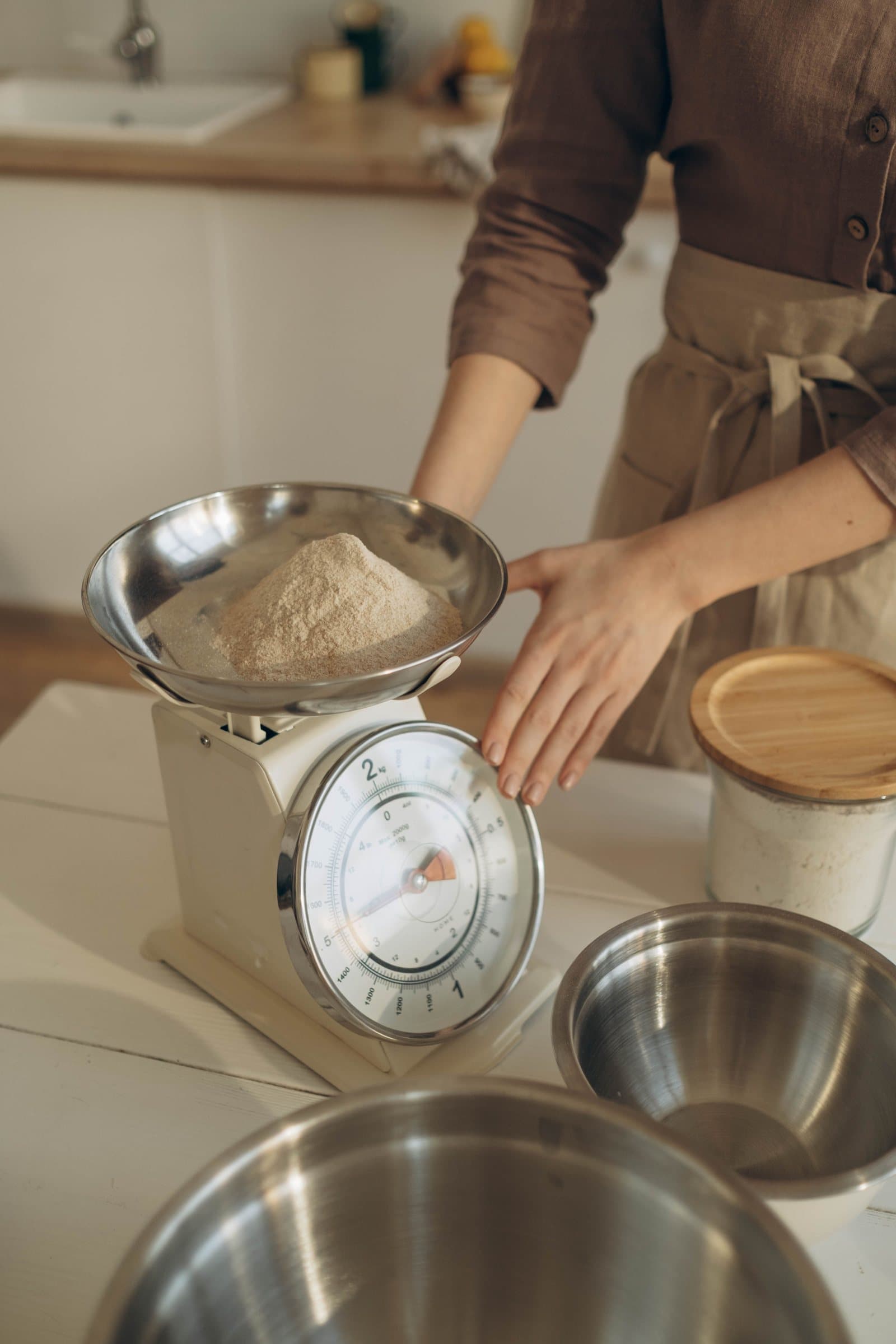
How to Measure Cake Ingredients Accurately: Cups vs. Grams
The same "1 cup of flour" can weigh anywhere from 120g to 150g depending on how it's measured. Here's how to measure accurately with cups, and why grams remove the guesswork entirely.
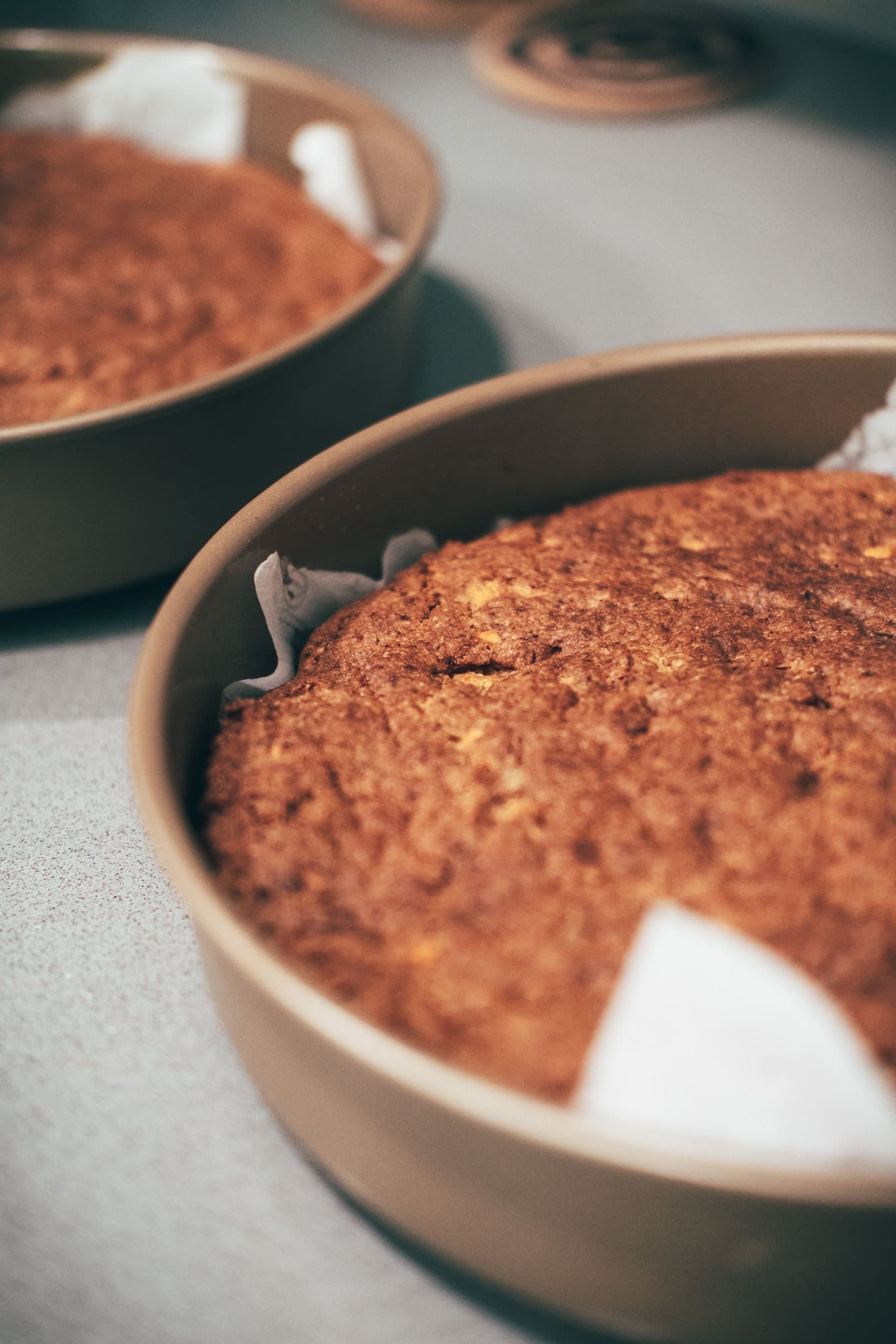
Cake Pan Sizes Explained: How to Choose the Right Pan and Adjust Baking Time
The same batter poured into a different-sized pan bakes completely differently. Here's how pan sizes compare, how to substitute one for another, and how to adjust time and temperature.