Oven Temperature Troubleshooting: Why Your Oven Runs Hot or Cold
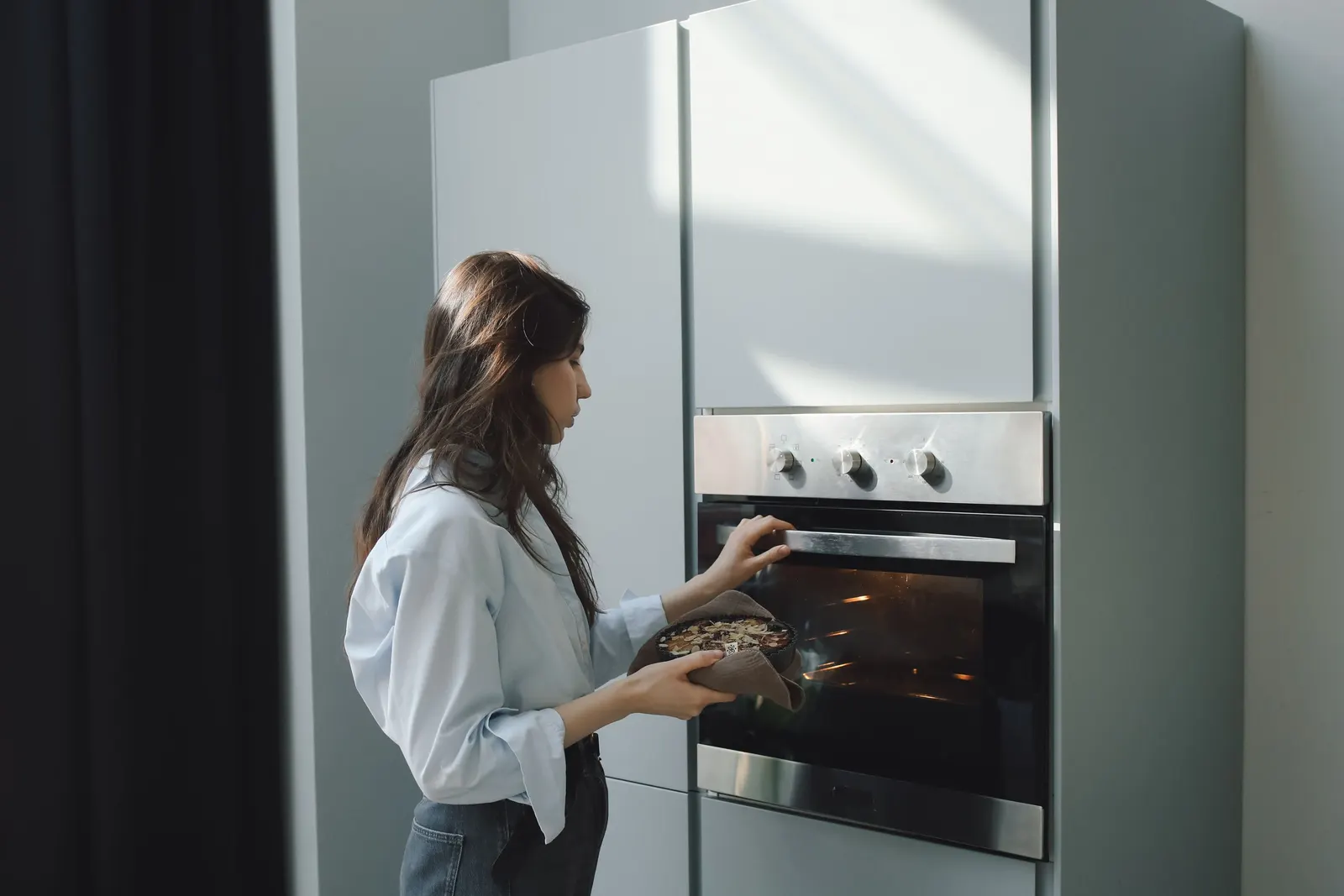
An oven's temperature dial is a target, not a guarantee. It's genuinely common for a home oven to run 15–25°F hotter or cooler than what the display says — and that gap explains a surprising share of baking problems that otherwise look mysterious: cracked tops, dry cakes, pale cookies, burnt bottoms.
The good news is this is simple to check and simple to adjust for once you know your oven's actual behavior.
Why Ovens Run Hot or Cold
A few common causes: the thermostat sensor itself can be miscalibrated from the factory or drift over years of use, the oven may take longer to fully stabilize at temperature than its "preheated" signal suggests, and heat can be unevenly distributed depending on rack position and whether the oven is conventional or convection.
How to Check Your Oven's Real Temperature
Buy a separate, inexpensive oven thermometer — a small hanging or standing dial or digital thermometer, not the oven's built-in display. Place it in the center of the middle rack, set your oven to a specific temperature (350°F is a good test point), and let it fully preheat plus an extra 15 minutes to stabilize.
Read the thermometer. If it reads close to 350°F, your oven is accurate. If it reads significantly higher or lower, note the difference — that's your oven's real offset.
Adjusting for a Hot or Cold Oven
Once you know your oven's offset, you have two options: adjust the dial, or adjust your expectations.
- If your oven runs hot by X degrees, set the dial X degrees lower than the recipe calls for, and start checking for doneness a few minutes earlier than the recipe states.
- If your oven runs cold, set the dial that many degrees higher, and expect baking to take slightly longer than the recipe states.
- Leave the oven thermometer in permanently as an ongoing reference, rather than trusting the dial again once you know it's off.
Other Factors That Affect Real Oven Temperature
Rack position matters — the center rack is the standard reference point for most recipes; higher racks run hotter, lower racks run cooler. Opening the oven door frequently lets heat escape and can cause temperature swings, which matters especially for delicate bakes like soufflés or choux pastry. Convection ovens circulate air and typically bake faster and more evenly than conventional ovens — many recipes suggest lowering the temperature by 25°F when using convection.
Frequently Asked Questions
A cheap oven thermometer is one of the highest-value tools in this entire site's recommended toolkit, precisely because oven temperature is an invisible variable that affects almost every single recipe you'll ever bake.
Cake Baking for Beginners includes a full troubleshooting lesson on ovens, pans, and doneness testing.
See Cake Baking for BeginnersRelated Articles
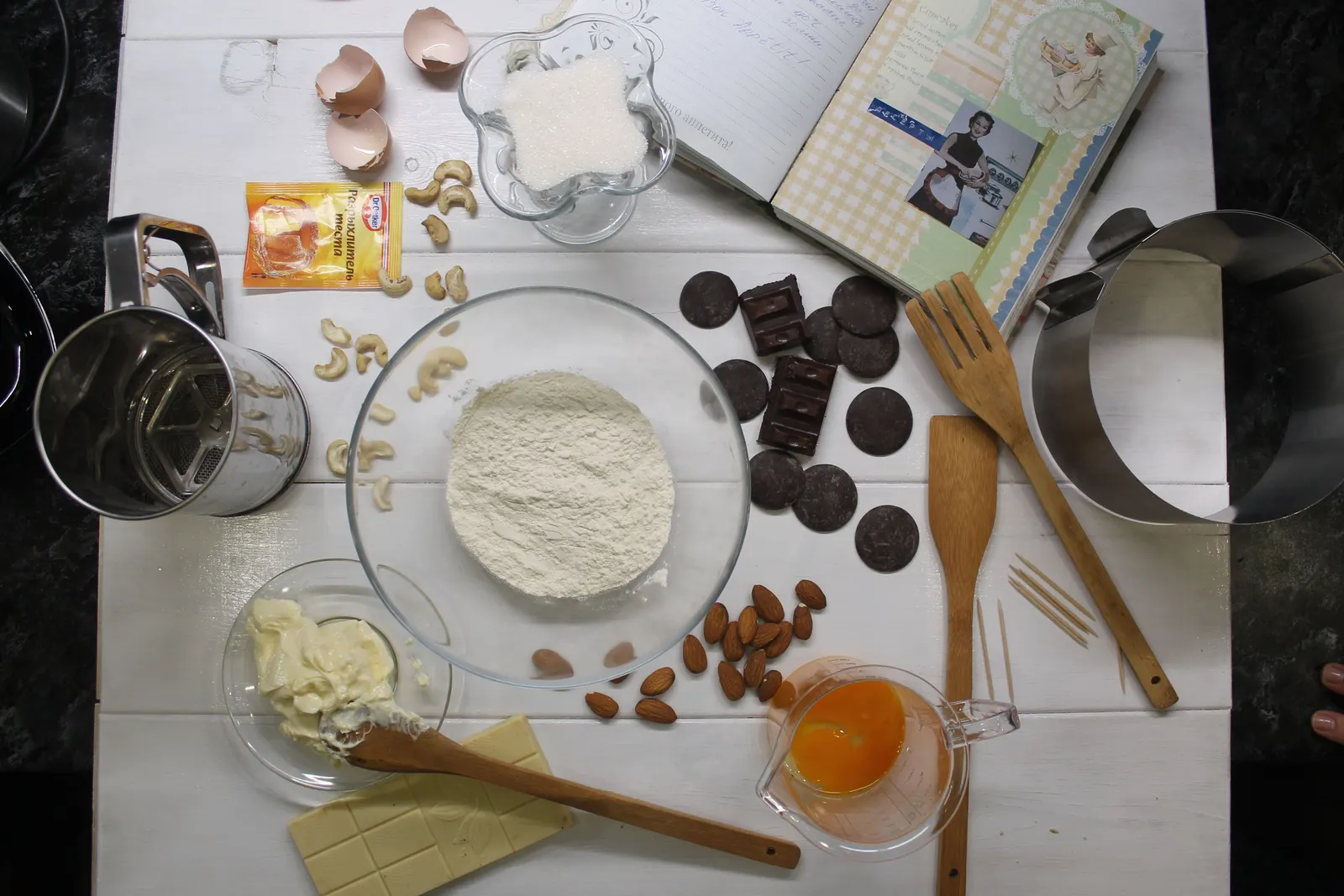
Essential Baking Tools for Beginners: What You Actually Need
You don't need a fully stocked bakery to start. Here's what actually matters for consistent results, why each tool earns its place, and what you can skip for now.
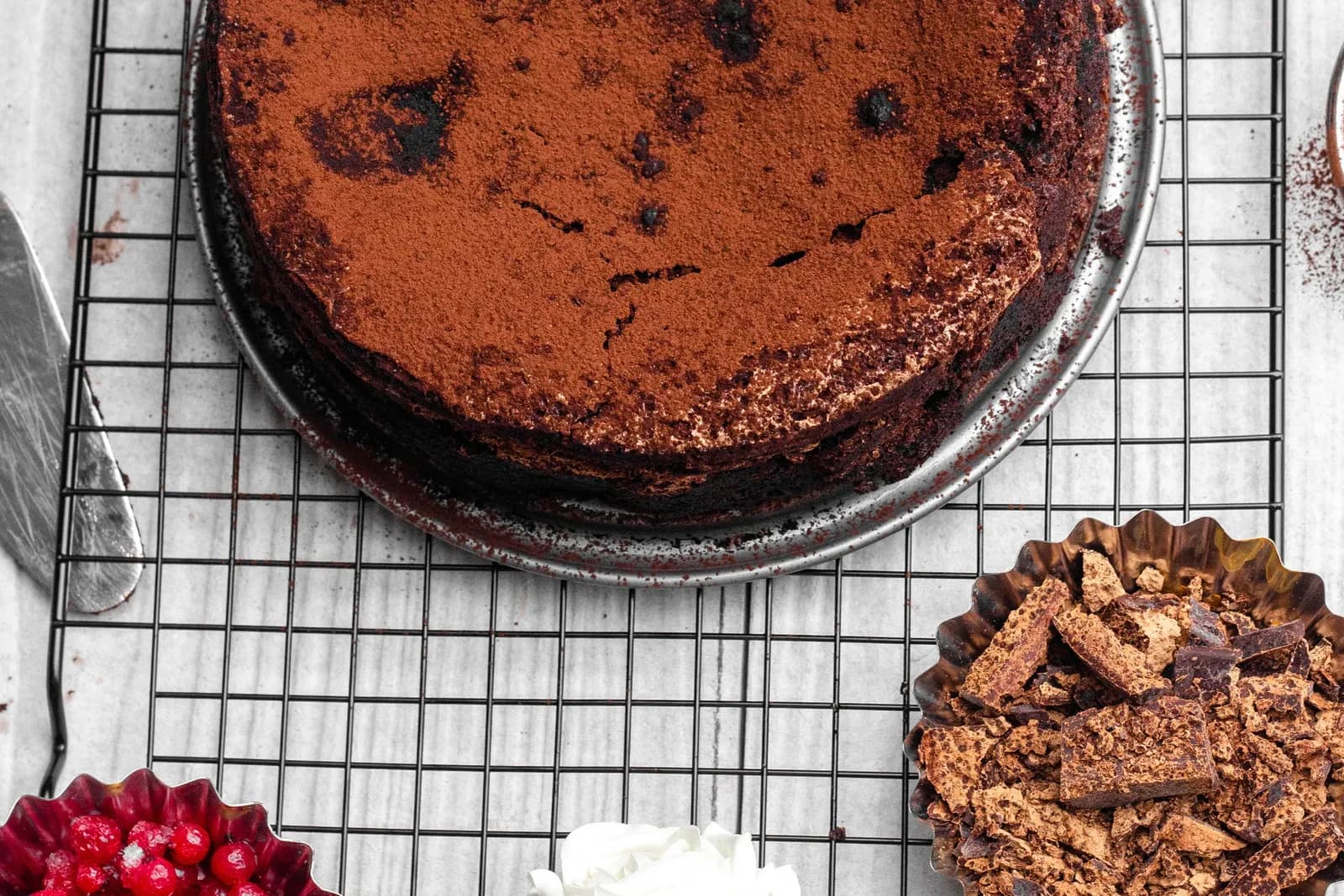
Why Did My Cake Crack on Top? Causes and Fixes
A domed, cracked cake top usually comes down to one of three things: an oven running hot, a pan filled too full, or a few extra minutes in the oven. Here's how to tell which one happened.
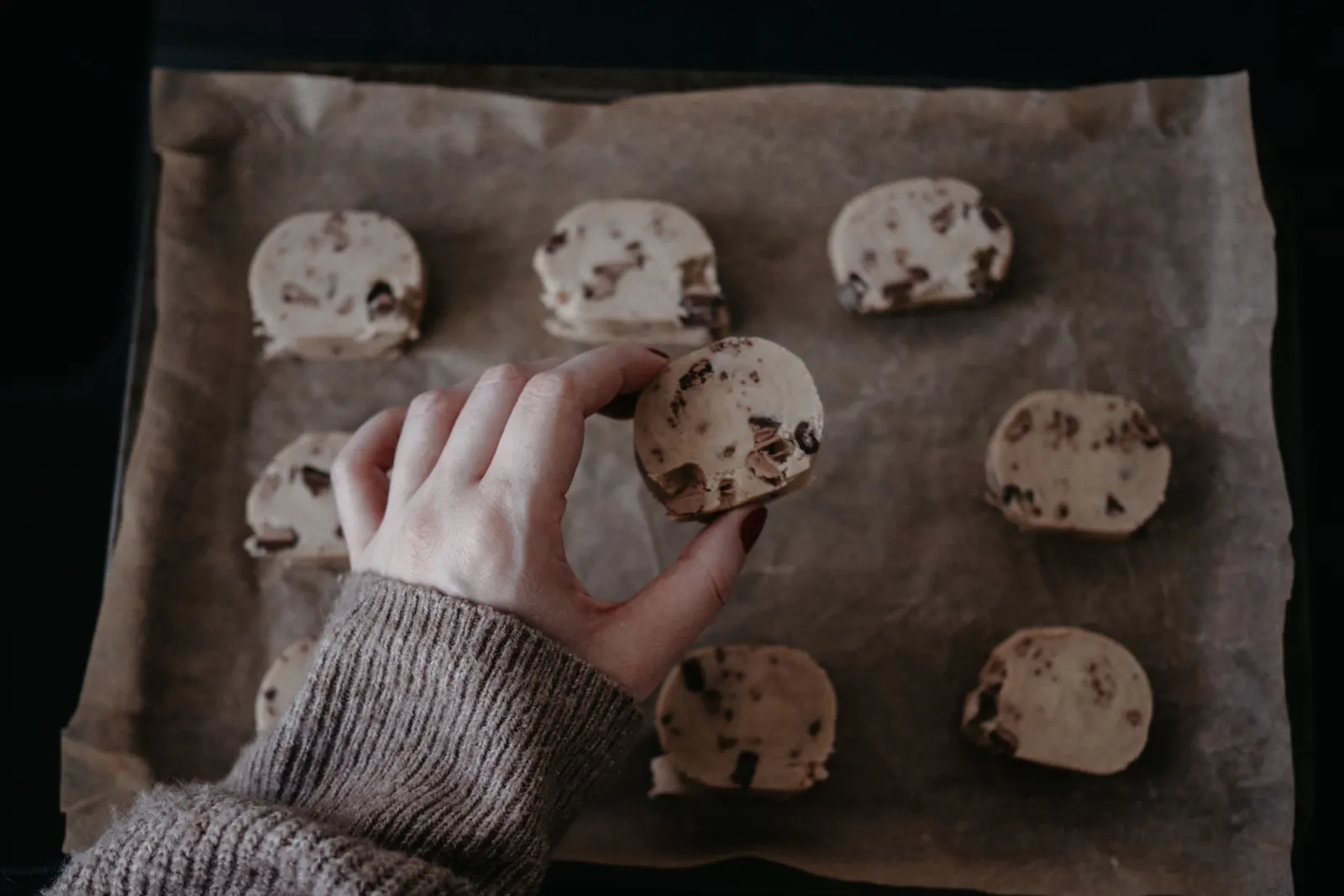
Why Are My Cookies Spreading Too Much? Causes and Fixes
Cookies that spread into thin, flat puddles instead of holding a nice round shape usually trace back to butter temperature, pan heat, or ingredient balance. Here's how to fix it.