Why Are My Cookies Spreading Too Much? Causes and Fixes
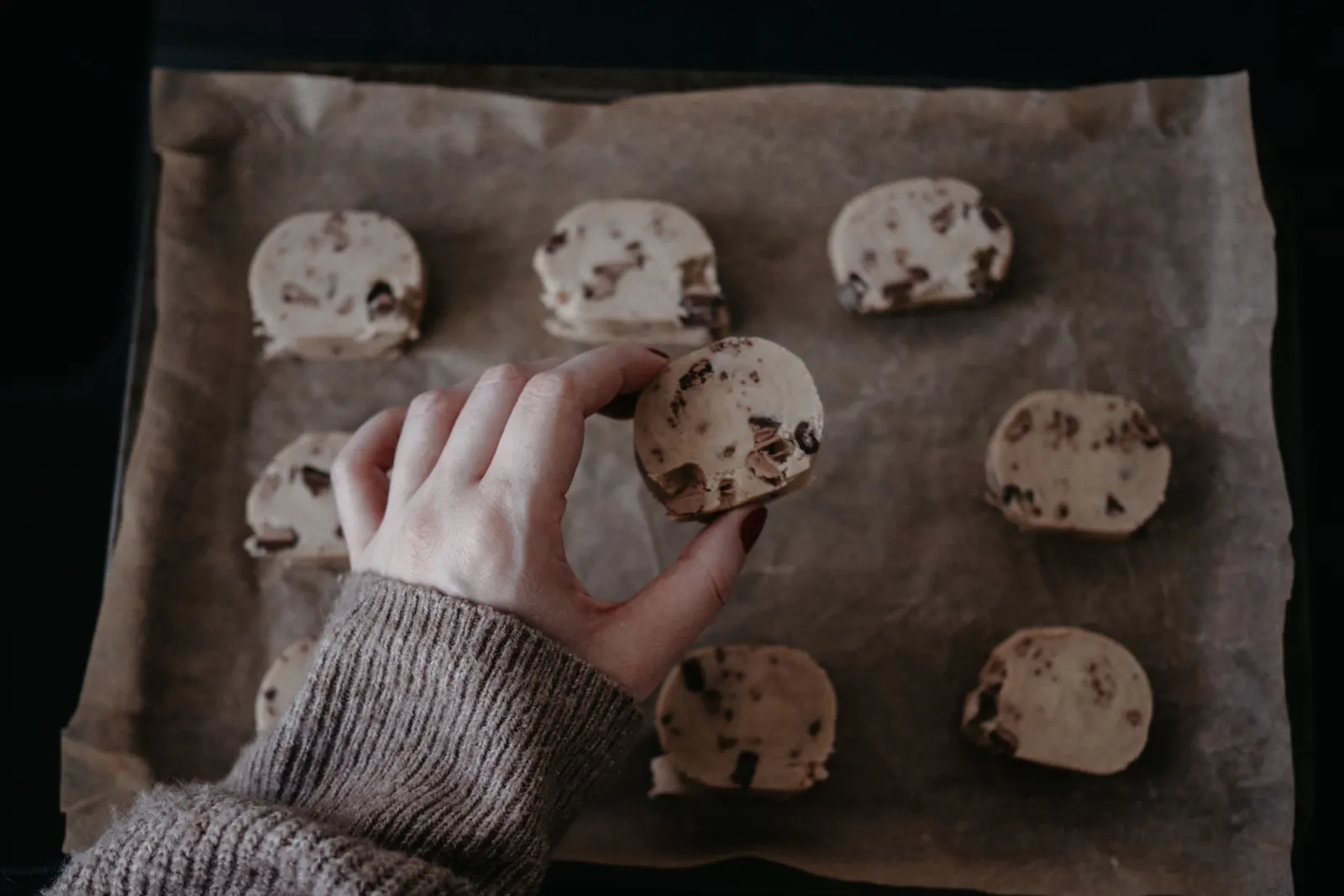
Cookies spreading more than expected is one of the most common cookie complaints, and the causes are well understood — mostly centered on how warm the fat is at different stages, and how hot the surfaces around the dough are.
Cause 1: Butter That's Too Warm
This is the most common culprit. Butter that's melted, or softened past room temperature, can't hold its shape in the oven and spreads immediately once it heats further. Butter should be soft enough to leave an indent when pressed, but not shiny, greasy, or visibly soft.
If your kitchen runs warm, chill the mixed dough for 20–30 minutes before baking — this re-firms the butter without needing to change the recipe at all.
Cause 2: Hot Baking Sheets
Scooping a new batch of dough onto a sheet that's still warm from the previous batch starts melting the butter in the dough before it even goes in the oven. Let baking sheets cool to room temperature between batches, or use a second cool sheet while the first one cools.
Cause 3: Oven Running Hot
A hot oven can cause dough to spread faster before it has a chance to set. Check your oven's real temperature with a separate thermometer — see oven temperature troubleshooting — and adjust the dial if it's running higher than the display suggests.
Cause 4: Not Enough Flour, or Too Much Sugar
Flour provides structure; sugar (especially in higher ratios) melts and spreads as it heats, acting almost like a liquid in the dough. If a recipe consistently spreads more than you'd like, weighing your flour with a kitchen scale (rather than scooping by volume) often reveals the dough was getting less flour than intended — see how to measure cake ingredients accurately for why this matters.
Cause 5: Greased Pans Instead of Parchment
A greased pan gives dough a slick surface to slide outward on as it bakes. Parchment paper or a silicone baking mat holds dough in place better than a greased sheet.
A Shaping Fix
Shaping dough into a taller, slightly domed mound rather than flattening it into a disc gives the heat more distance to travel before it fully melts through the center, which slows spreading regardless of the other factors above.
Frequently Asked Questions
Cookie spread is almost always about temperature — of the butter, the pan, or the oven — plus the basic flour-to-sugar balance. Chilling dough and letting pans cool between batches solve the majority of cases without changing the recipe at all.
Cookies, Brownies & Dessert Bars covers reliable cookie technique with full troubleshooting for spread, texture, and shape.
See Cookies, Brownies & Dessert BarsRelated Articles
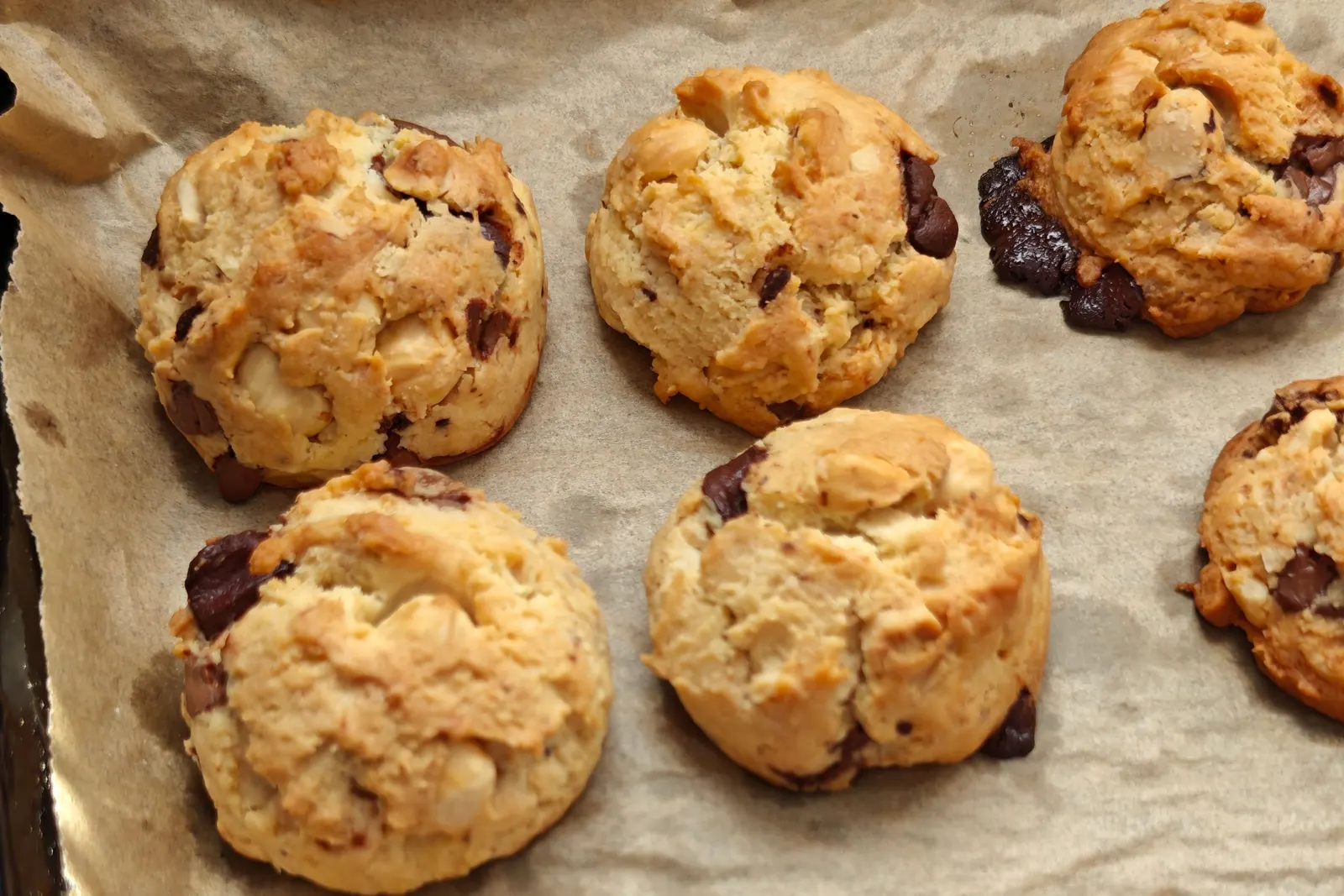
Chewy vs Crispy Cookies: What Actually Changes the Texture
Chewy and crispy cookies aren't just a matter of luck — a handful of specific variables control which one you get. Here's what to change to get the texture you actually prefer.
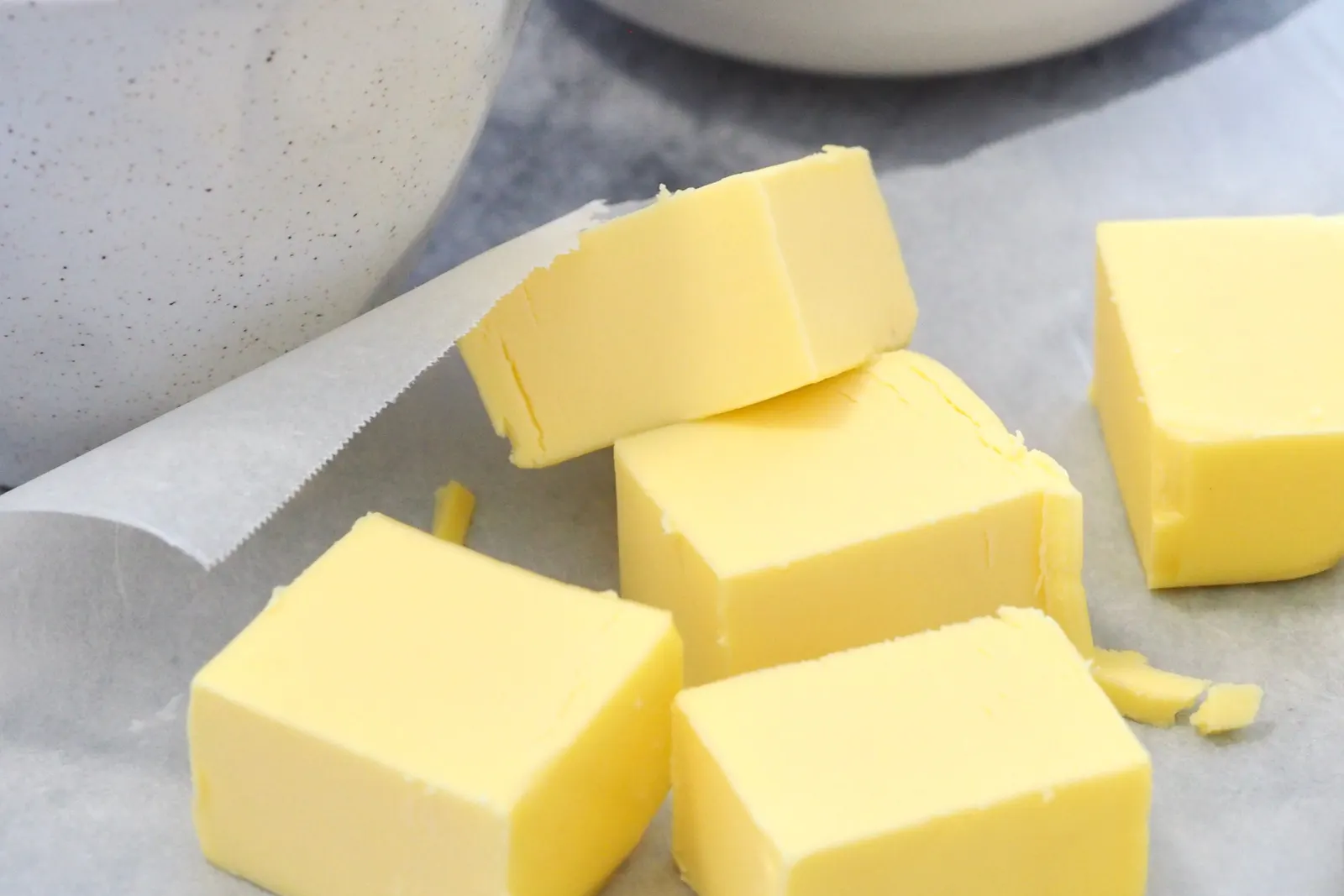
Butter Temperature Guide: Why It Matters More Than You Think
"Softened butter" is more precise than it sounds — too soft or too cold both cause real, specific problems. Here's how to tell when it's actually right.

Oven Temperature Troubleshooting: Why Your Oven Runs Hot or Cold
Set your oven to 350°F and it might actually be baking at 375°F or 325°F. Here's why that happens, how to check, and what to do about it.