Chewy vs Crispy Cookies: What Actually Changes the Texture
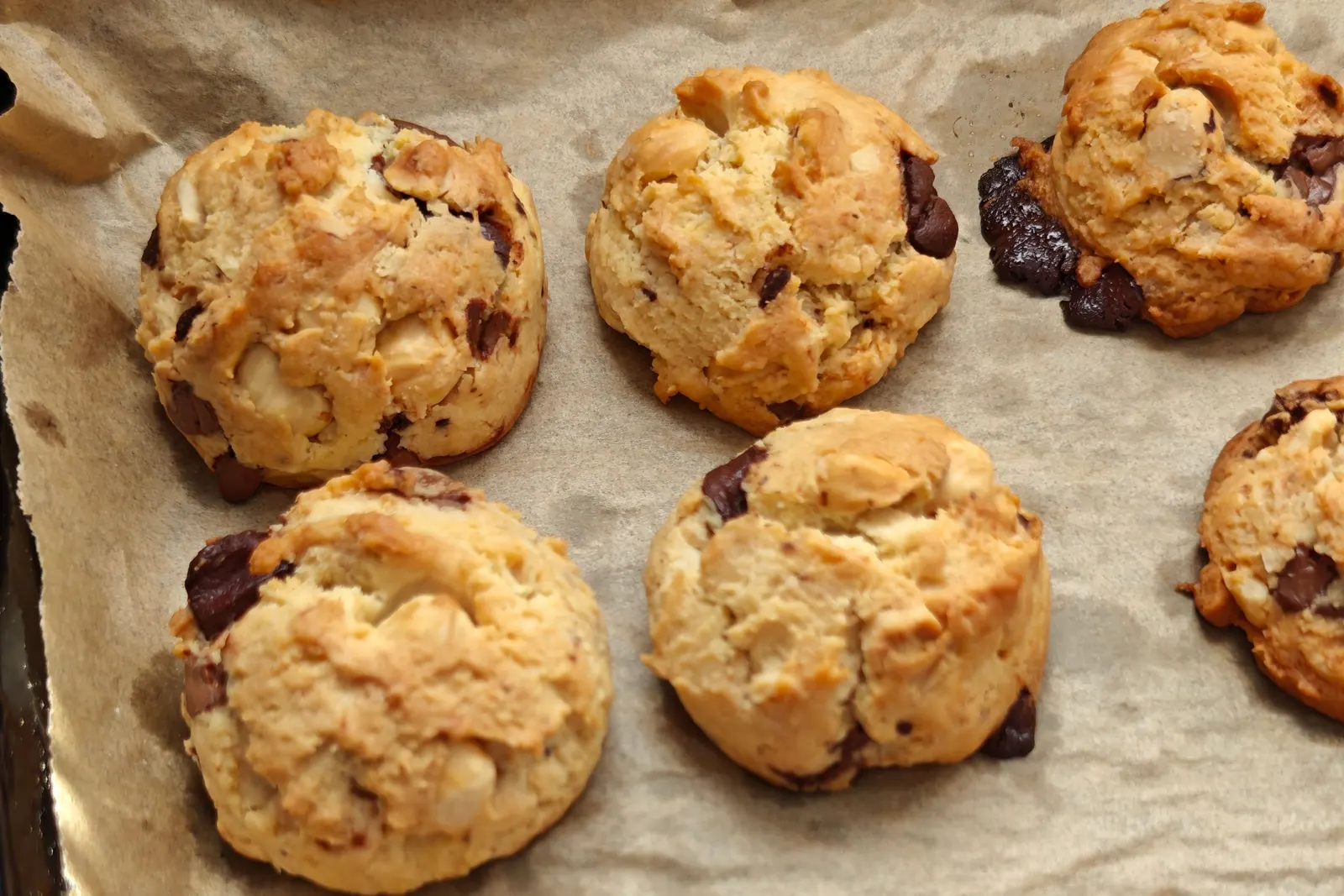
Whether a cookie comes out chewy or crispy isn't random — it's controlled by a specific set of ingredient ratios and techniques. Once you know which lever does what, you can nudge almost any basic cookie recipe toward the texture you actually prefer.
Sugar Type
Brown sugar is more hygroscopic (moisture-retaining) than white sugar, thanks to the molasses it contains, and it produces a softer, chewier result. White sugar promotes more spread and a crisper edge. A recipe using mostly or entirely brown sugar will skew chewier; one using mostly white sugar will skew crispier. See types of sugar in baking for more detail.
Fat: Butter Amount and Temperature
Butter has water content that creates steam during baking, contributing to spread and a crisper edge. More fat overall generally means more spread and crispness; less fat means a denser, chewier result. Melted butter also blends more fully into the dough, producing a flatter, chewier cookie than properly creamed softened butter.
Flour Amount
More flour relative to fat and sugar gives the dough more structure and less spread, producing a thicker, chewier cookie. Less flour lets the dough spread further and thinner, baking up crispier. Weighing flour with a kitchen scale keeps this ratio consistent batch to batch — see how to measure cake ingredients accurately.
Egg Yolks vs Whole Eggs
Egg yolks add fat and richness without extra water, which tends to produce a denser, chewier cookie. Recipes that use an extra yolk (instead of a whole additional egg) are leaning deliberately toward a chewier texture.
Bake Time and Pan Thickness
Pulling cookies from the oven slightly early, while the centers still look a touch underbaked and soft, locks in a chewier result as they finish setting on the pan. Baking a few extra minutes until they're golden and set throughout produces a crispier texture. A heavier, lighter-colored baking sheet also bakes more gently and evenly than a thin, dark one, which tends to overbrown edges faster.
Frequently Asked Questions
Chewy and crispy cookies come from the same basic ingredients used in different ratios and baked for different lengths of time — more brown sugar, more flour, and a shorter bake for chewy; more white sugar, more fat, and a longer bake for crispy. Once you know which variable does what, most standard cookie recipes can be nudged in either direction.
Cookies, Brownies & Dessert Bars includes both chewy and crispy cookie recipes, with the ratios that produce each texture explained.
See Cookies, Brownies & Dessert BarsRelated Articles
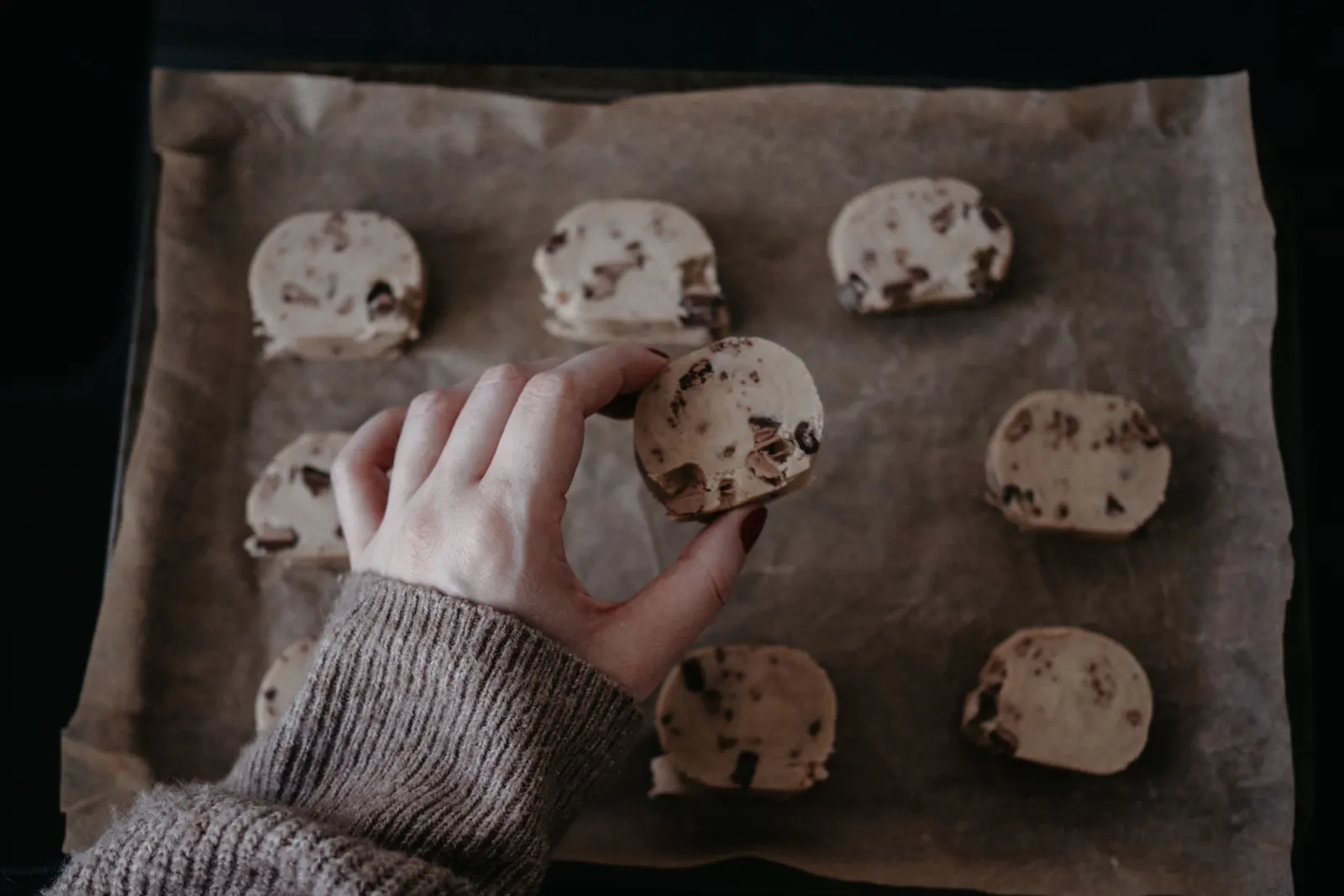
Why Are My Cookies Spreading Too Much? Causes and Fixes
Cookies that spread into thin, flat puddles instead of holding a nice round shape usually trace back to butter temperature, pan heat, or ingredient balance. Here's how to fix it.
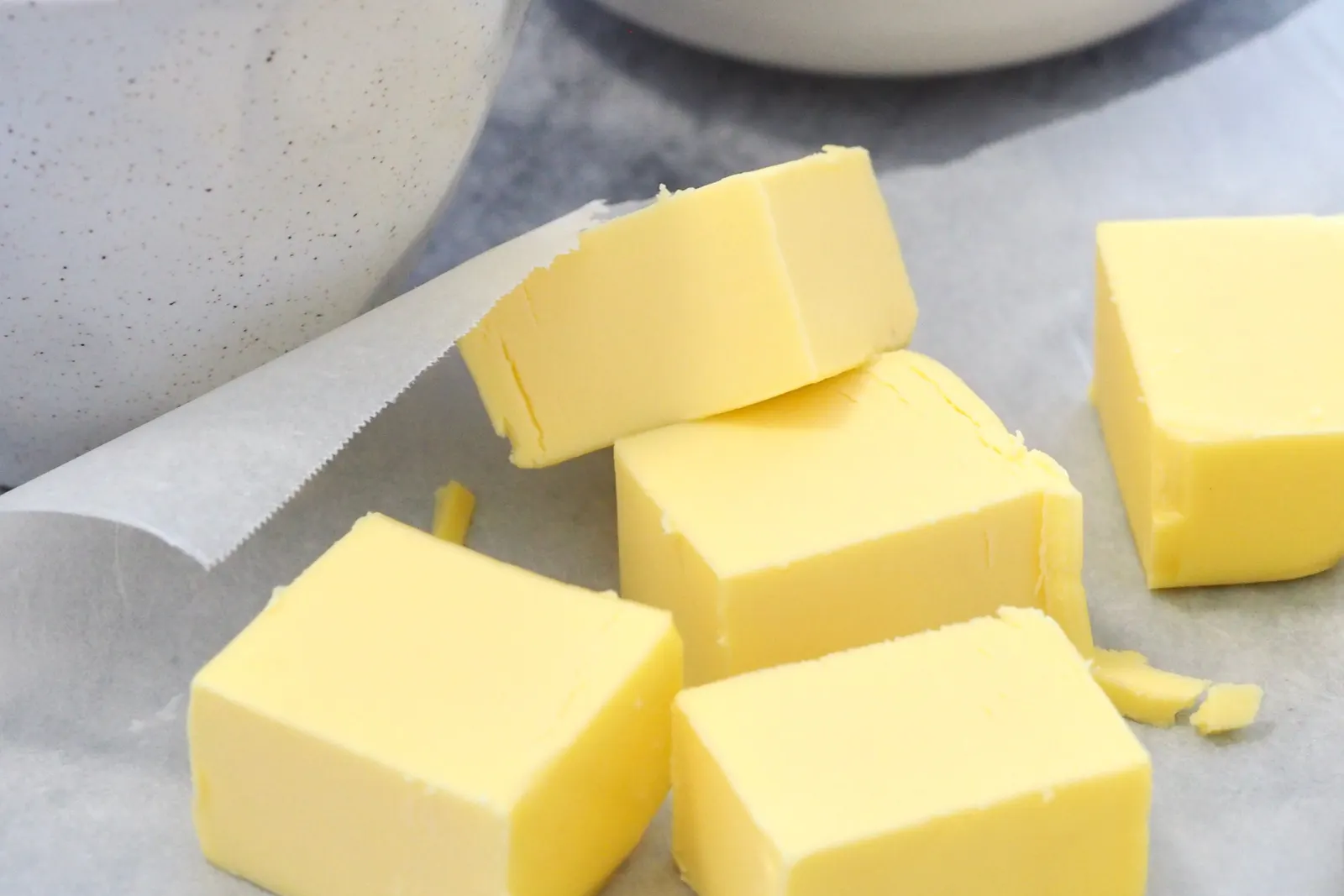
Butter Temperature Guide: Why It Matters More Than You Think
"Softened butter" is more precise than it sounds — too soft or too cold both cause real, specific problems. Here's how to tell when it's actually right.
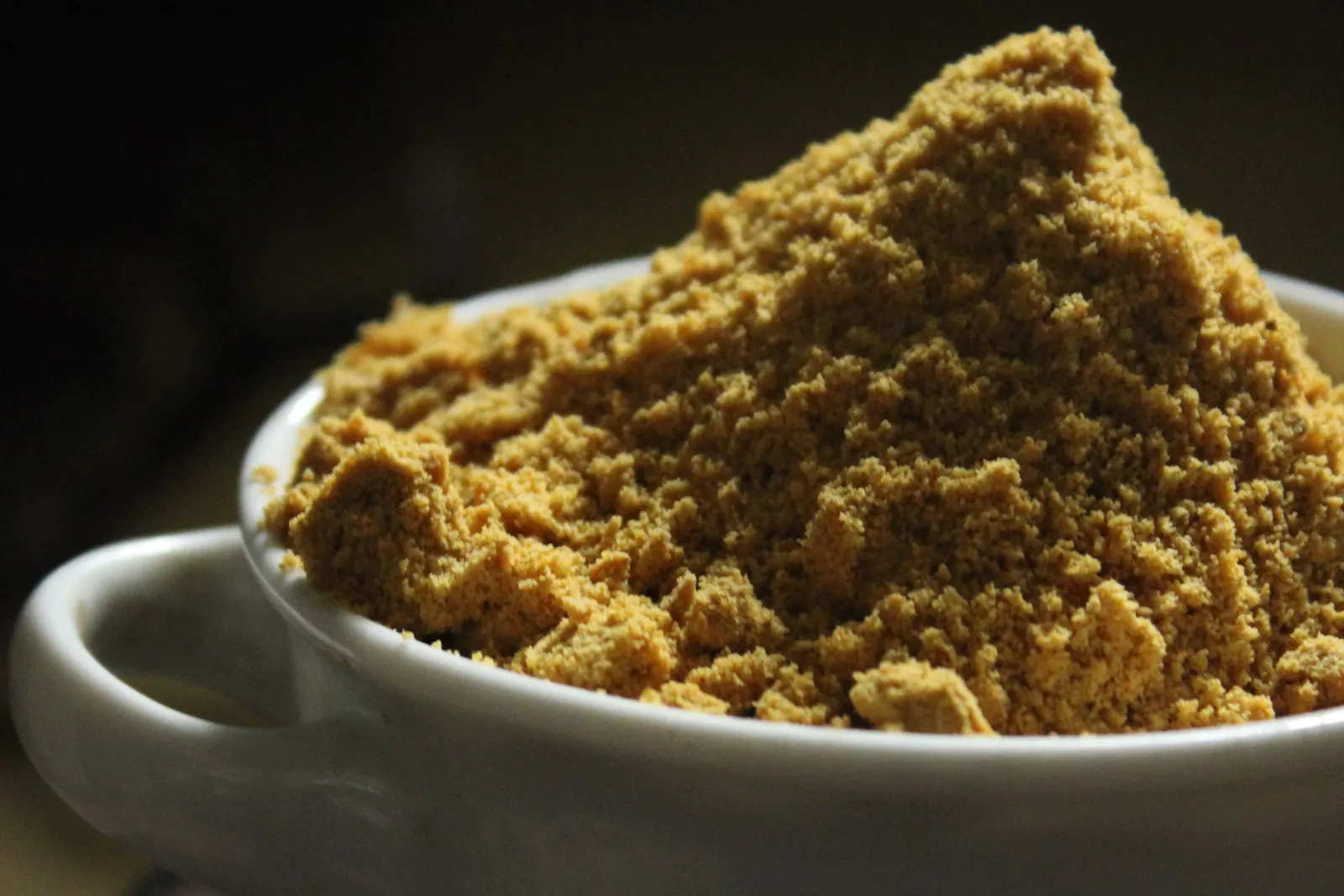
Types of Sugar in Baking Explained
Sugar isn't just sweetness — different types affect moisture, texture, and even how much a baked good spreads. Here's what each common type actually does.