Types of Sugar in Baking Explained
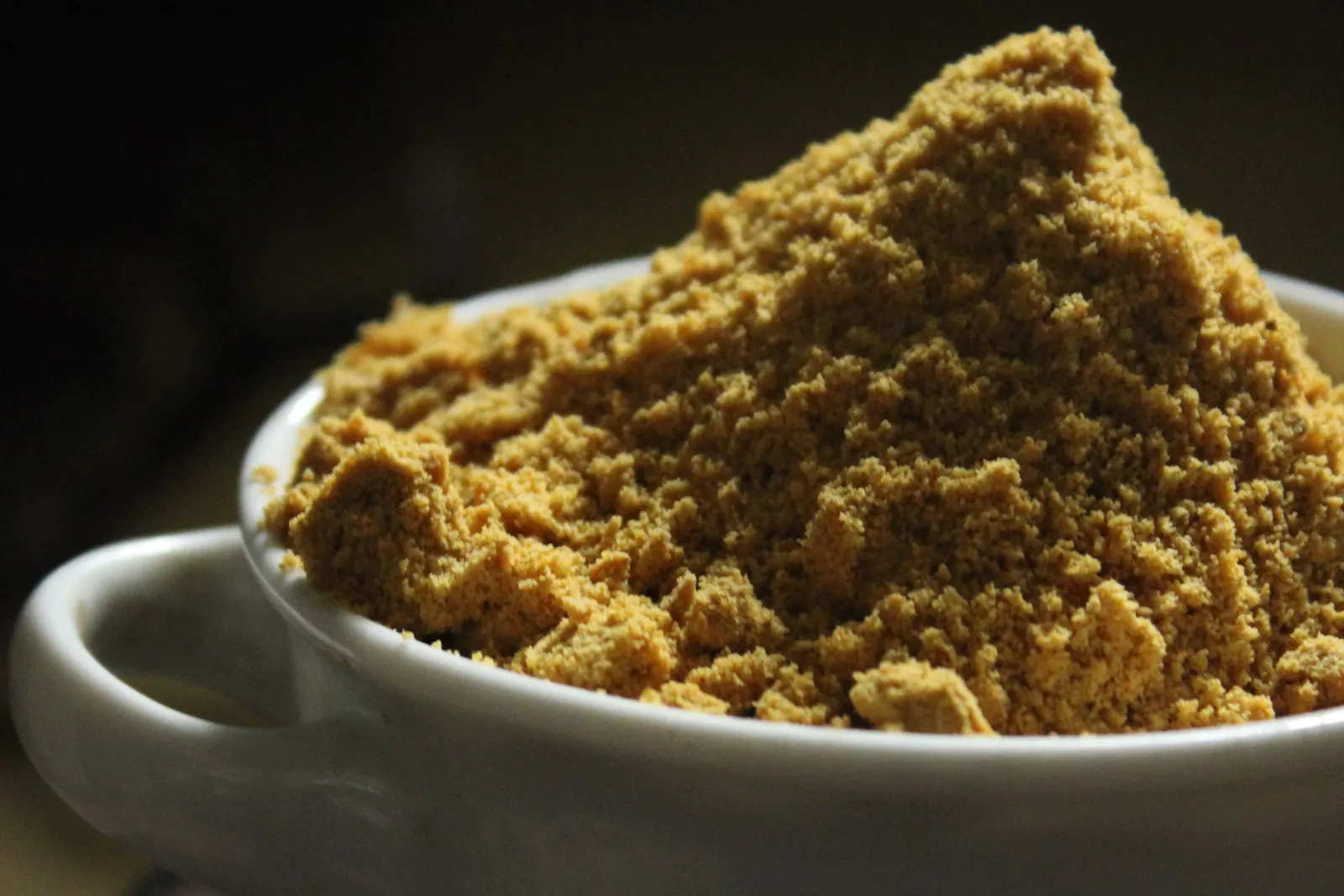
Recipes rarely explain why they specify one type of sugar over another, but the choice affects far more than sweetness level — different sugars behave differently in heat, hold different amounts of moisture, and change texture in specific, predictable ways.
Granulated Sugar
The standard, all-purpose white sugar most recipes default to. It creams well with butter (helping trap air for lift), dissolves evenly, and promotes spread and a crisper edge in cookies compared to brown sugar.
Brown Sugar
Granulated sugar with molasses added back in — light brown sugar has less molasses, dark brown sugar has more. The molasses makes brown sugar more hygroscopic (moisture-retaining), which produces a softer, chewier, moister result and adds a subtle caramel-like flavor. See chewy vs crispy cookies for how this plays out in practice.
Powdered (Confectioners') Sugar
Finely ground granulated sugar with a small amount of cornstarch added to prevent clumping. It dissolves almost instantly, making it the standard choice for frostings, glazes, and dusting, where a grainy texture from undissolved granulated sugar would be noticeable.
Superfine (Caster) Sugar
Granulated sugar ground to a finer grain, without the cornstarch powdered sugar contains. It dissolves faster than standard granulated sugar, which is useful in recipes like meringues where any undissolved sugar can show up as a gritty texture.
Why Sugar Isn't Just for Sweetness
Sugar is hygroscopic to varying degrees, meaning it attracts and holds moisture, which is part of why baked goods with more sugar often stay moist and fresh longer than lower-sugar recipes. Sugar also melts and caramelizes under heat, contributing to browning and, in cookies specifically, to spread — sugar behaves almost like a liquid once it heats past a certain point.
Frequently Asked Questions
Sugar choice is a texture and moisture decision as much as a sweetness one — brown sugar for soft and chewy, granulated for crisp and standard, powdered for smooth frostings, and superfine for fast-dissolving applications like meringue.
Cake Baking for Beginners explains how sugar choice affects texture across cakes, cookies, and frostings.
See Cake Baking for BeginnersRelated Articles
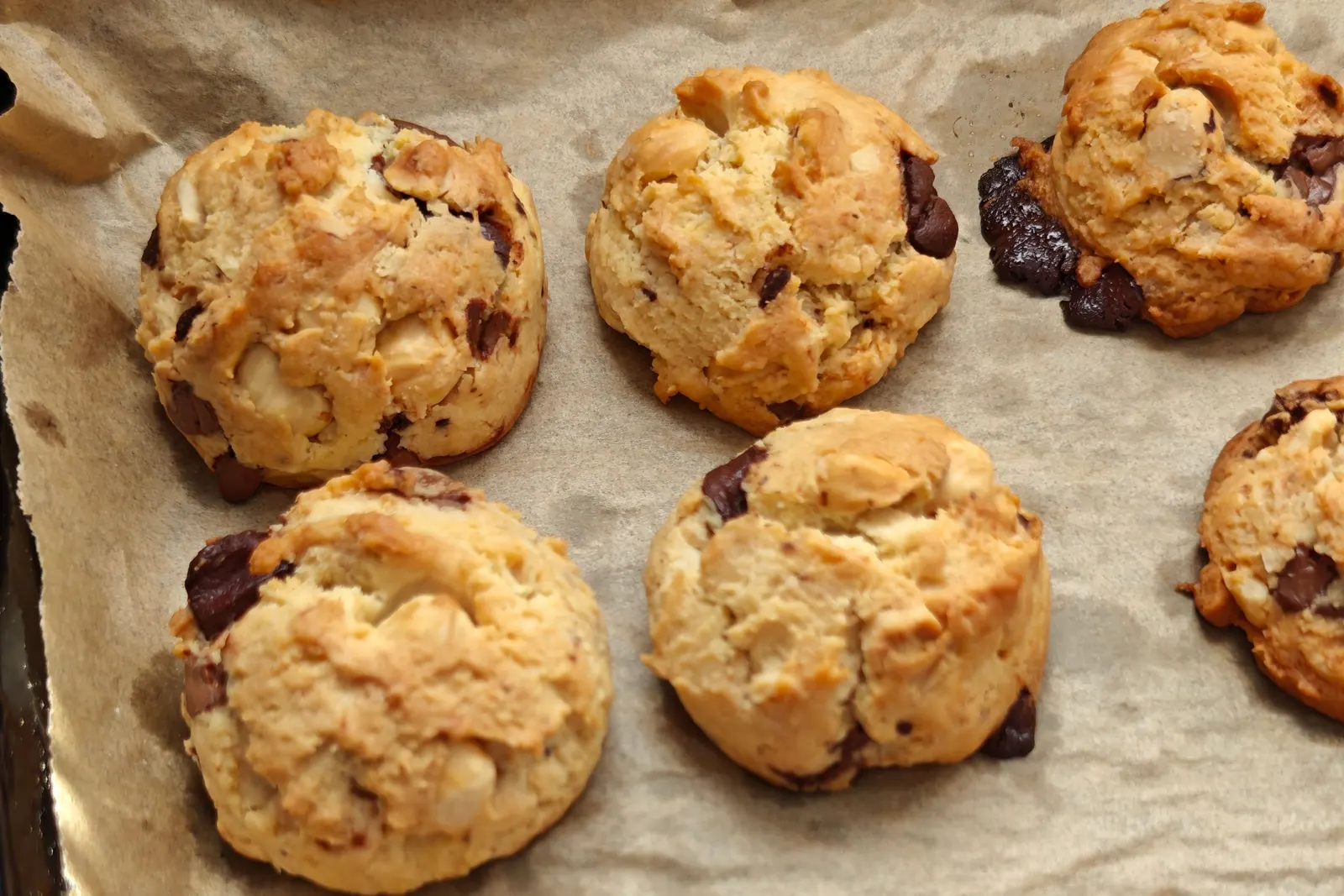
Chewy vs Crispy Cookies: What Actually Changes the Texture
Chewy and crispy cookies aren't just a matter of luck — a handful of specific variables control which one you get. Here's what to change to get the texture you actually prefer.
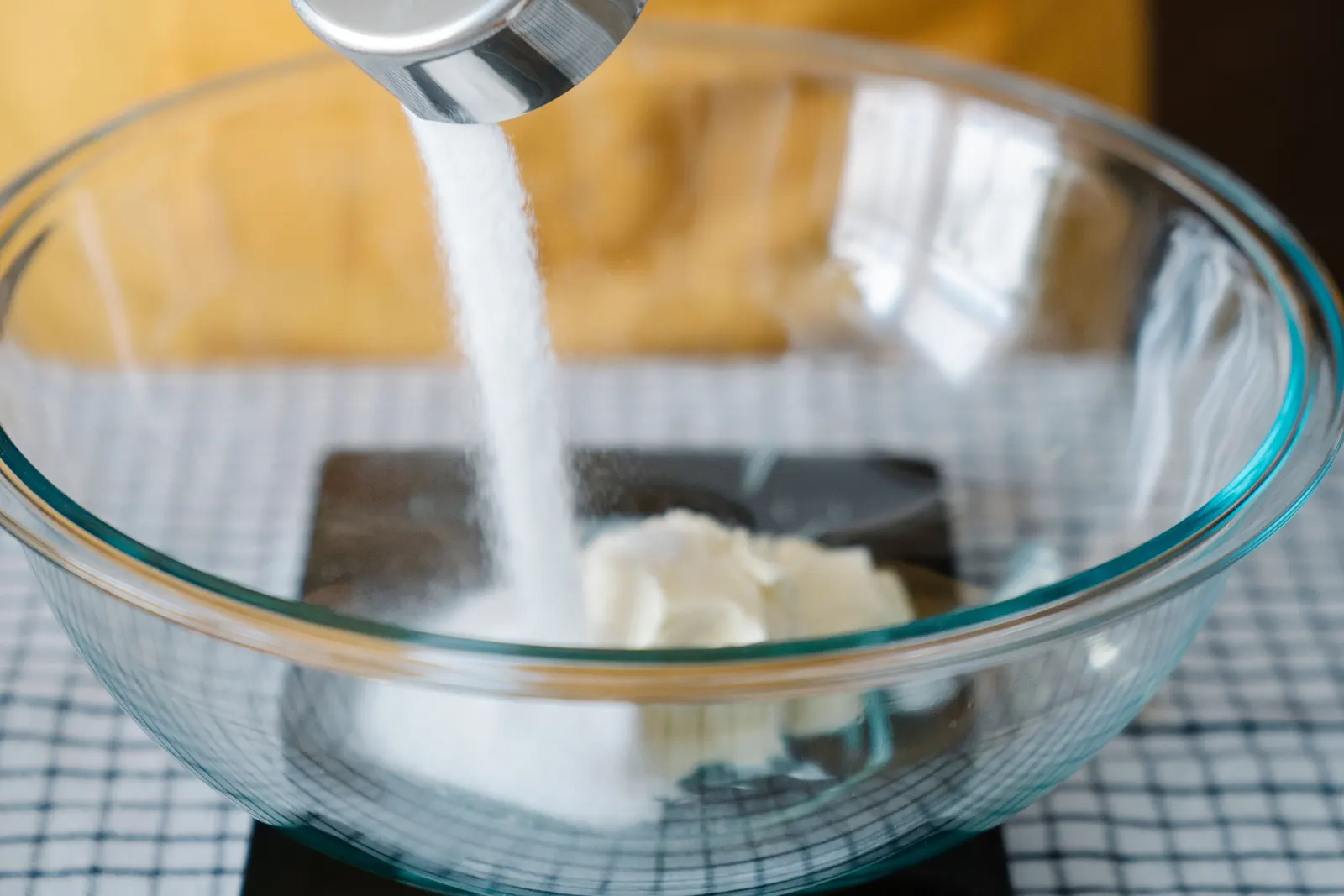
Baking Substitutions Guide: Common Ingredient Swaps That Actually Work
Out of buttermilk, baking powder, or brown sugar? Here's what actually works as a substitute, the exact ratio to use, and which swaps change the result enough to notice.
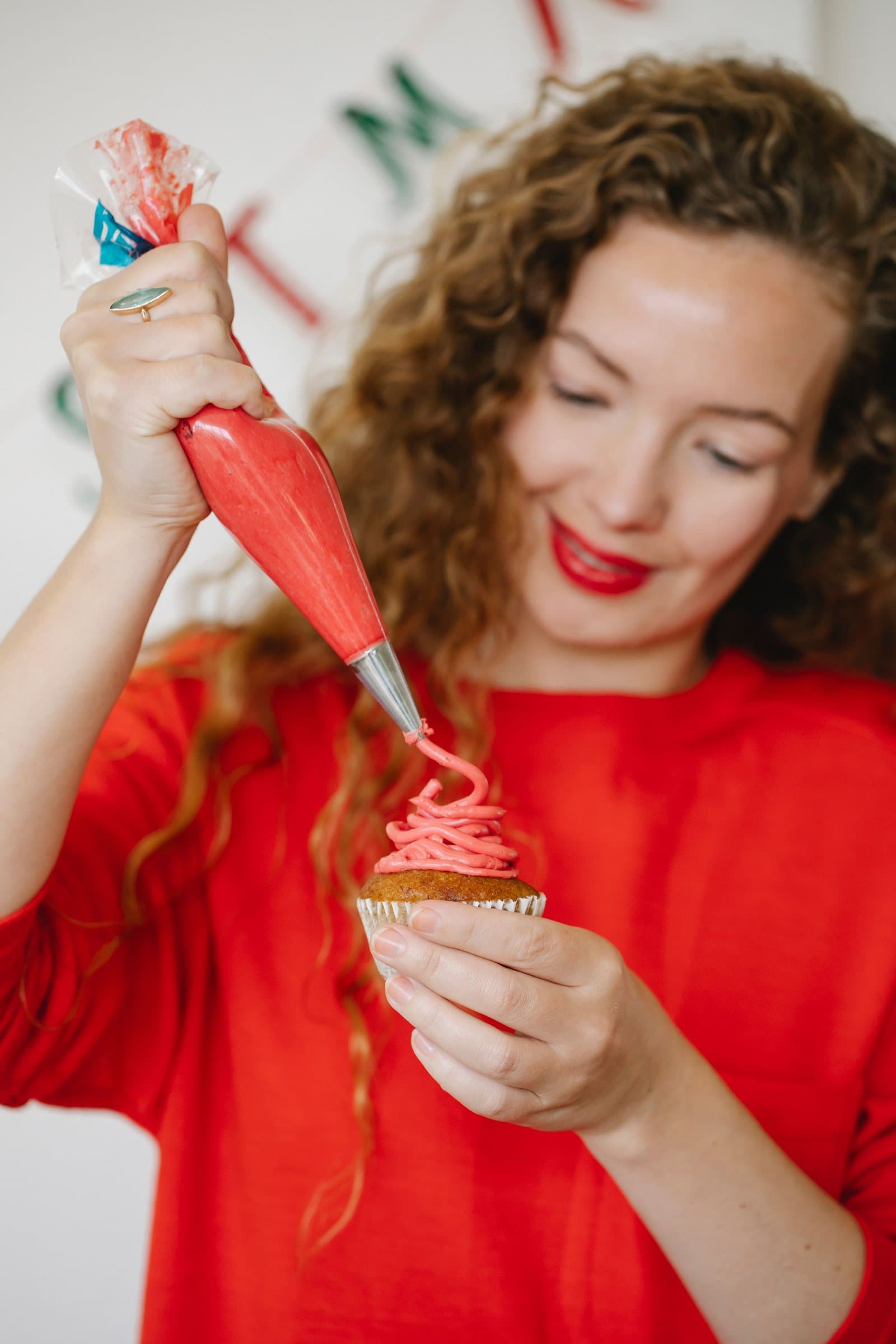
How to Make Buttercream Frosting: Consistency, Flavor, and Troubleshooting
A full buttercream recipe with exact measurements, how to adjust it for spreading versus piping, real flavor variations, and what to do if it turns out grainy, soupy, or too stiff.