Baking Substitutions Guide: Common Ingredient Swaps That Actually Work
Running out of an ingredient mid-recipe doesn't have to mean starting over. Most common baking ingredients have a workable substitute, but "workable" doesn't always mean "identical" — some swaps change the texture or flavor slightly, and it helps to know which ones before you commit.
Below are the substitutions that come up most often, with the exact ratio to use and an honest note on what changes.
No Buttermilk
For every 1 cup of buttermilk called for, stir 1 tablespoon of white vinegar or lemon juice into 1 cup of regular milk and let it sit for 5–10 minutes until slightly thickened and curdled-looking.
- Why it works: buttermilk's acidity is what activates baking soda and tenderizes gluten — vinegar or lemon juice provides the same acidity.
- What changes: slightly less tang than real buttermilk, but close enough for cakes, pancakes, and quick breads.
No Baking Powder
For every 1 teaspoon of baking powder, mix 1/4 teaspoon baking soda with 1/2 teaspoon cream of tartar.
- Why it works: baking powder is just baking soda pre-mixed with a powdered acid (usually cream of tartar) — this recreates that combination.
- What changes: nothing meaningful if mixed in the same ratio; use it immediately, since without the cornstarch buffer in commercial baking powder it can start reacting a little faster.
No Brown Sugar
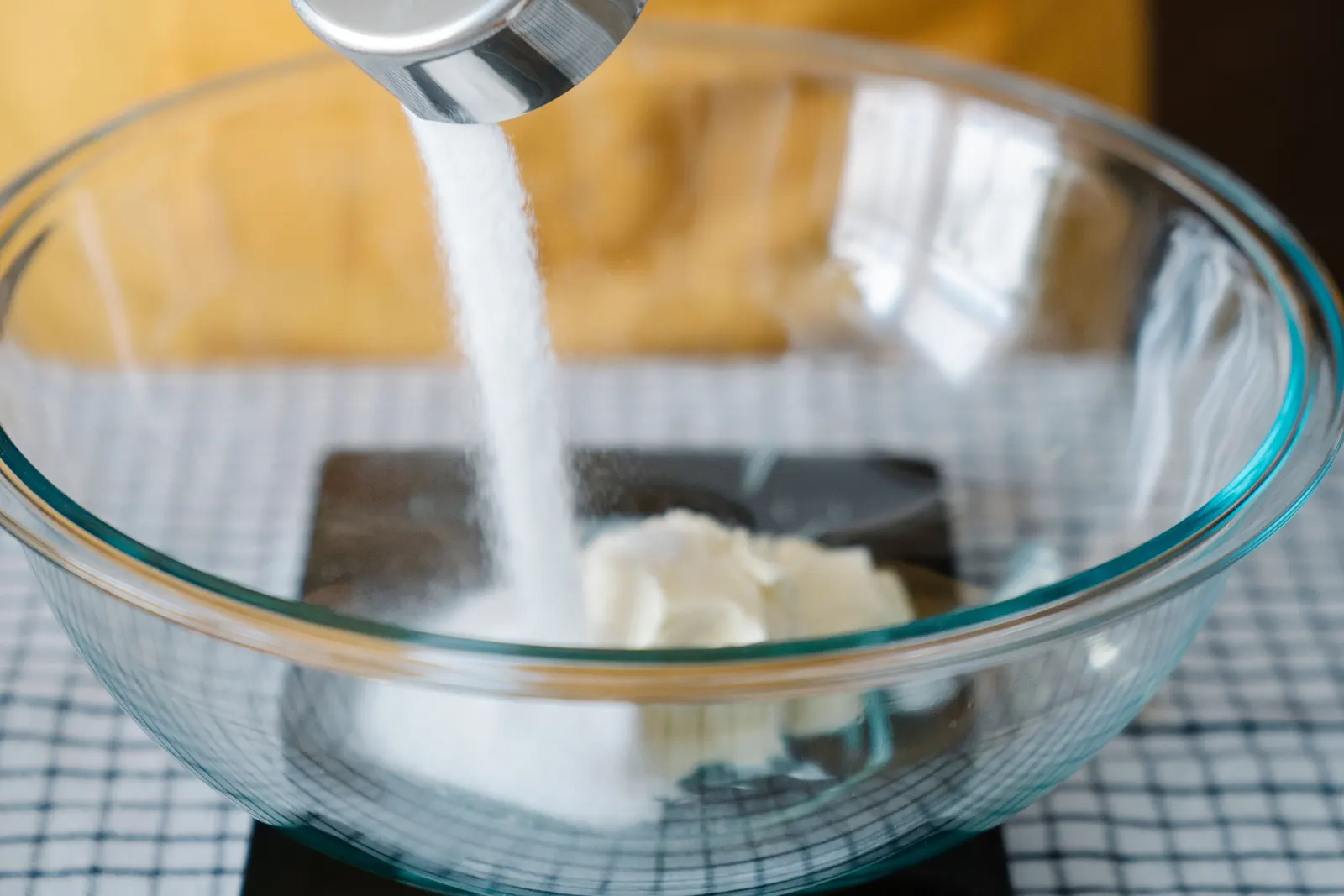
For every 1 cup of brown sugar, mix 1 cup granulated sugar with 1 tablespoon molasses.
- Why it works: brown sugar is just granulated sugar with molasses added back in — this recreates it from scratch.
- What changes: very little; texture and moisture are nearly identical to store-bought brown sugar.
No Eggs
Per egg, use one of: 1/4 cup unsweetened applesauce, 1 tablespoon ground flaxseed mixed with 3 tablespoons water (rested 5 minutes until gel-like), or 1/4 cup plain yogurt.
- Why it works: eggs bind and add moisture — these substitutes do the same job, just without the structure eggs provide through protein.
- What changes: the crumb will be noticeably denser and less airy, especially in cakes that rely on whipped eggs for lift. Works best in quick breads, muffins, and pancakes rather than delicate sponge cakes.
No Cake Flour
For every 1 cup of cake flour, measure 1 cup all-purpose flour, remove 2 tablespoons, and replace them with 2 tablespoons cornstarch. Sift together at least twice.
- Why it works: cake flour's lower protein content is what gives cakes a finer, softer crumb — cornstarch dilutes the protein in all-purpose flour to get closer to that.
- What changes: the crumb will be very slightly less fine than true cake flour, but far closer than using all-purpose flour straight.
No Unsalted Butter
Use salted butter in the same amount, and reduce any added salt in the recipe by about 1/4 teaspoon per 1/2 cup (1 stick) of butter used.
- Why it works: the only difference between salted and unsalted butter is, literally, the salt.
- What changes: nothing if you adjust the added salt; if you forget to adjust it, the result will just taste slightly saltier, which is rarely a problem in sweet baking.
No Sour Cream
Substitute with an equal amount of plain full-fat Greek yogurt.
- Why it works: both are thick, tangy, cultured dairy with a similar fat content.
- What changes: next to nothing — this is one of the closest 1:1 swaps on this list.
Frequently Asked Questions
Most baking substitutions aren't a gamble — they're based on recreating what the original ingredient actually does (adding acid, adding moisture, providing structure) rather than just hoping for the best. Knowing the reason behind a swap makes it much easier to judge whether it'll work for your specific recipe.
These ratios are standard reference substitutions, not guarantees for every single recipe — results can vary slightly depending on the exact recipe and how sensitive it is to small changes.
Cake Baking for Beginners covers core ingredients, tools, and technique in plain language, so you're not guessing mid-recipe.
See Cake Baking for BeginnersRelated Articles
Essential Baking Tools for Beginners: What You Actually Need
You don't need a fully stocked bakery to start. Here's what actually matters for consistent results, why each tool earns its place, and what you can skip for now.
Cake Flour vs All-Purpose Flour: When It Actually Matters
Cake flour and all-purpose flour aren't interchangeable in every recipe, but the difference matters less often than you might think. Here's when it genuinely counts.
Baking Powder vs Baking Soda: What's the Difference and When to Use Each
Both make baked goods rise, but they work through different chemistry — and swapping one for the other without adjusting can genuinely change the result.