Baking Powder vs Baking Soda: What's the Difference and When to Use Each
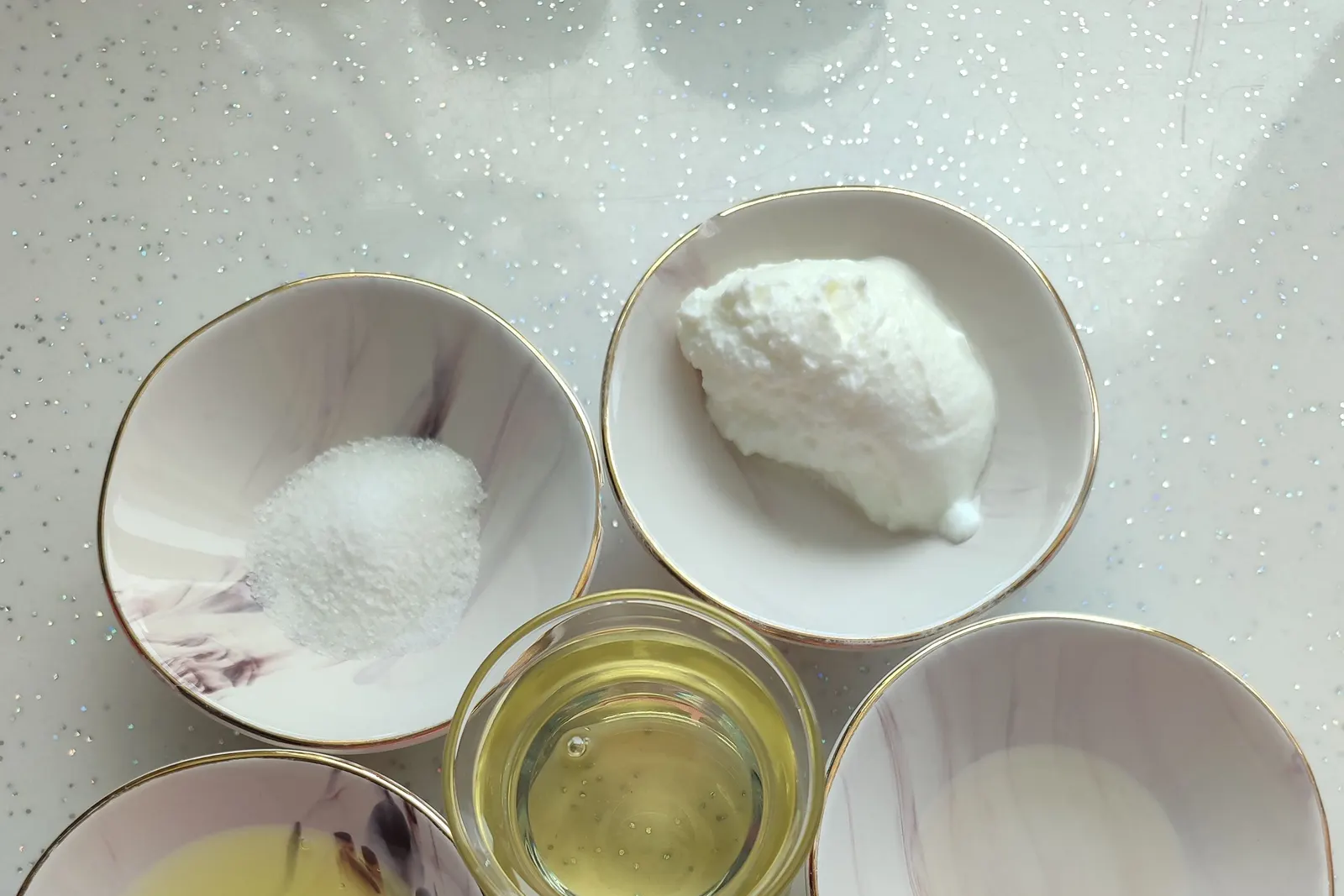
Baking soda and baking powder are both leavening agents, meaning they both produce the carbon dioxide gas that makes baked goods rise — but they work through different chemical reactions, which is why recipes specify one or the other (or sometimes both) rather than treating them as interchangeable.
Baking Soda
Baking soda is pure sodium bicarbonate, a base. It needs an acidic ingredient in the recipe — buttermilk, yogurt, sour cream, brown sugar, lemon juice, or natural cocoa powder — to react and produce lift. It's also considerably stronger than baking powder, roughly 3–4 times as potent by volume, so recipes use much less of it.
Baking Powder
Baking powder is a complete, self-contained leavening system: it already contains both an acid (usually cream of tartar) and a base (baking soda), along with a starch like cornstarch that keeps the two from reacting prematurely in the can. Most baking powder sold today is double-acting, meaning it releases gas twice — once when it gets wet, and again when it hits oven heat.
Why Recipes Choose One Over the Other
A recipe with plenty of its own acidic ingredients (buttermilk, yogurt, brown sugar) often calls for baking soda, since the acid needed is already present. A recipe without much natural acidity calls for baking powder instead, since it supplies its own acid along with the base. Some recipes use both — baking soda to neutralize existing acid and add browning, baking powder to provide the additional lift needed beyond what the soda alone would produce.
Frequently Asked Questions
Baking soda needs an acid to work; baking powder brings its own. Recipes choose between them based on what other ingredients are already in the bowl — not interchangeably, and not at random.
Cake Baking for Beginners explains leavening alongside the other core ingredients that make baking predictable rather than guesswork.
See Cake Baking for BeginnersRelated Articles
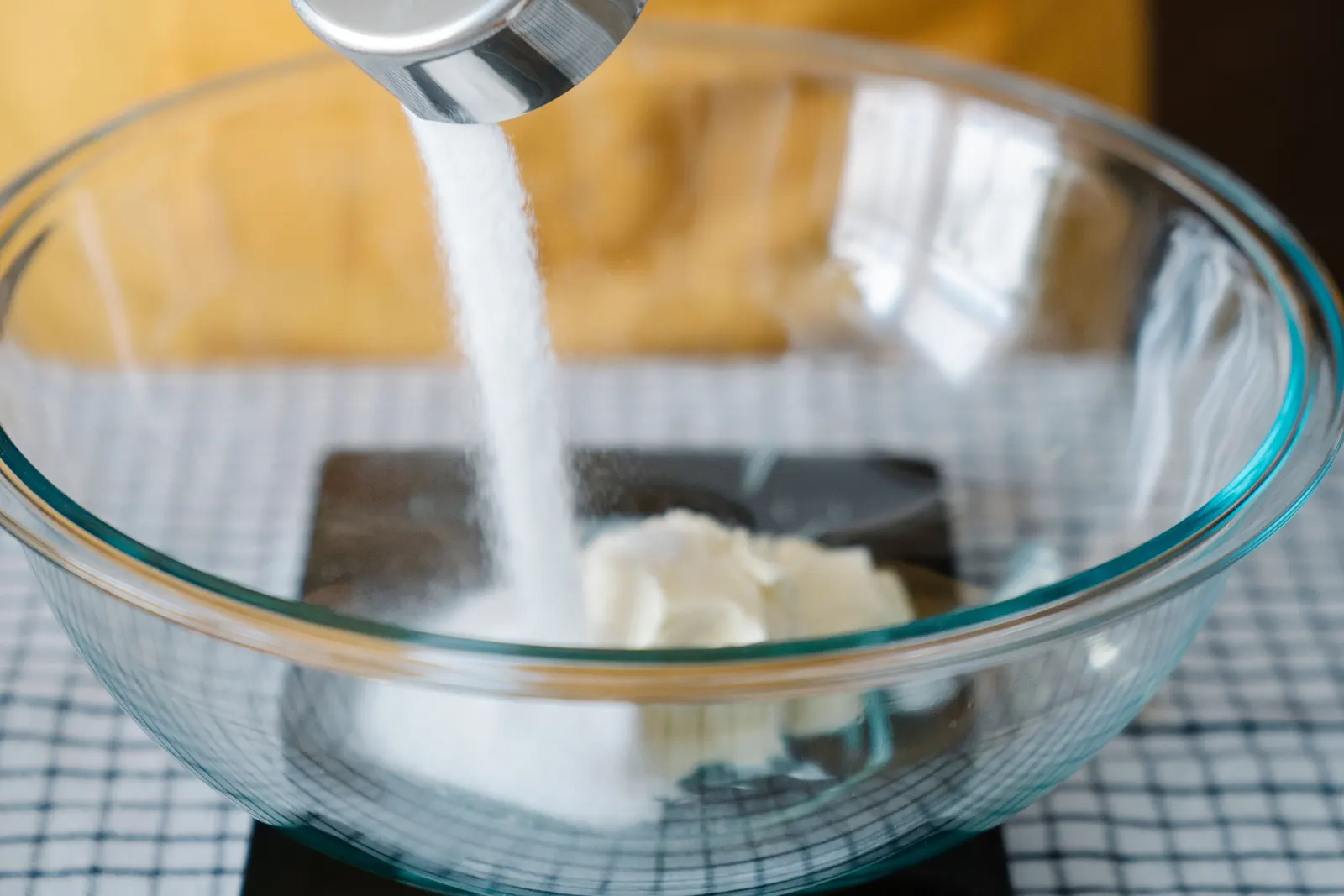
Baking Substitutions Guide: Common Ingredient Swaps That Actually Work
Out of buttermilk, baking powder, or brown sugar? Here's what actually works as a substitute, the exact ratio to use, and which swaps change the result enough to notice.
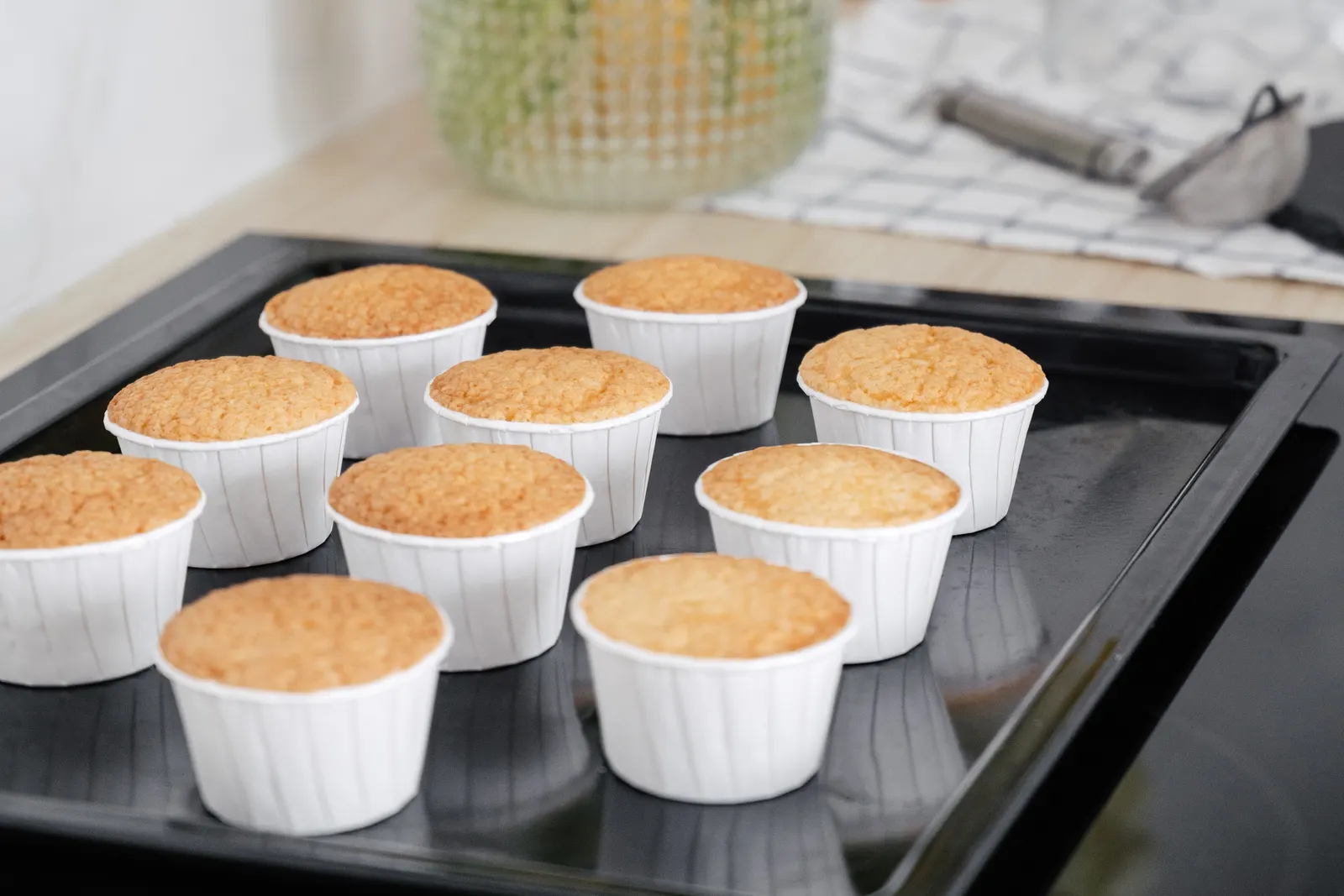
Why Do Cupcakes Sink in the Middle? Causes and Fixes
A cupcake that rises nicely and then collapses in the center usually comes down to one of five causes, most of them simple to fix. Here's how to find yours.
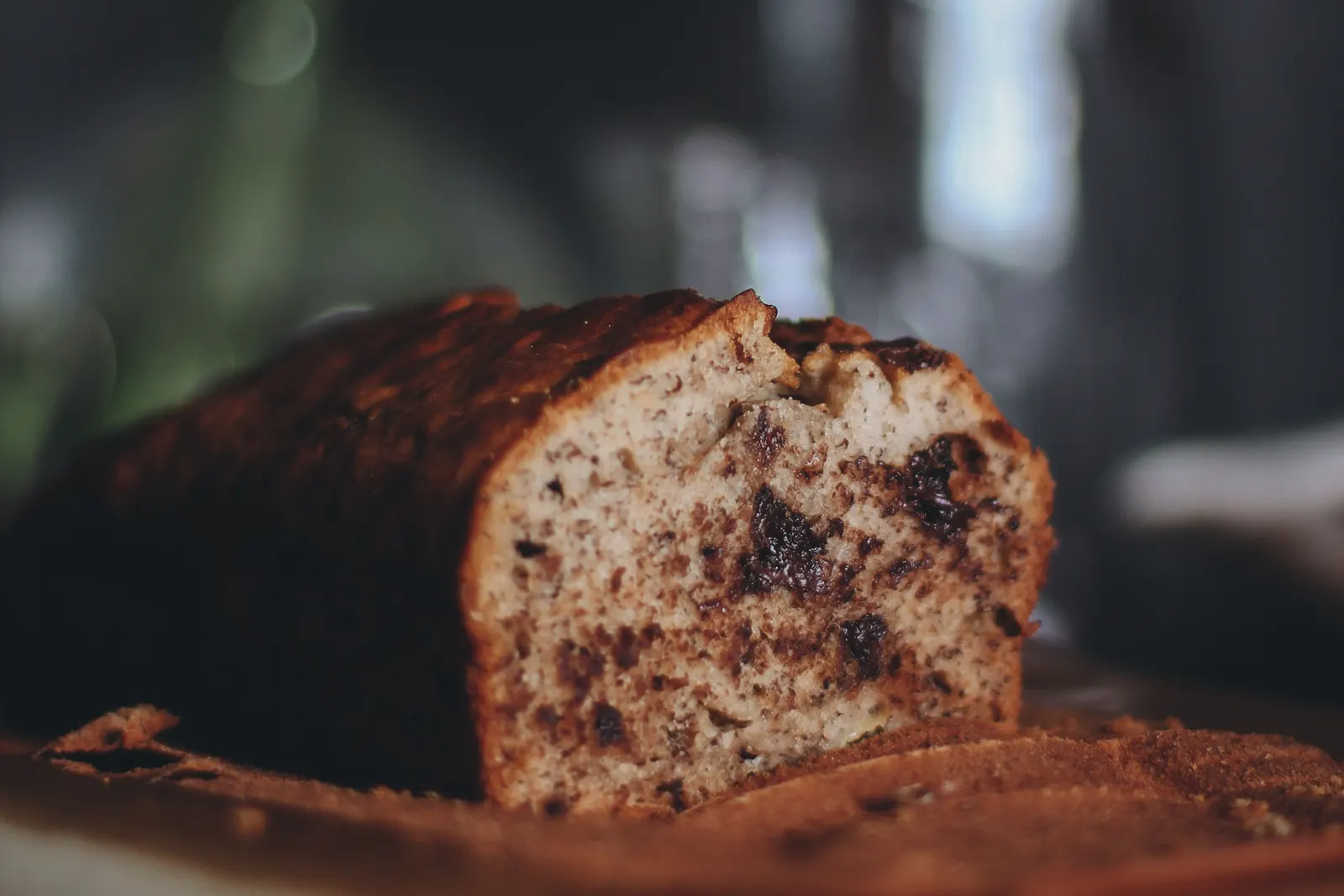
Quick Bread vs Yeast Bread: What's the Difference
Banana bread and a yeasted dinner roll are both called bread, but they rise through completely different mechanisms. Here's what separates them.