Why Do Cupcakes Sink in the Middle? Causes and Fixes
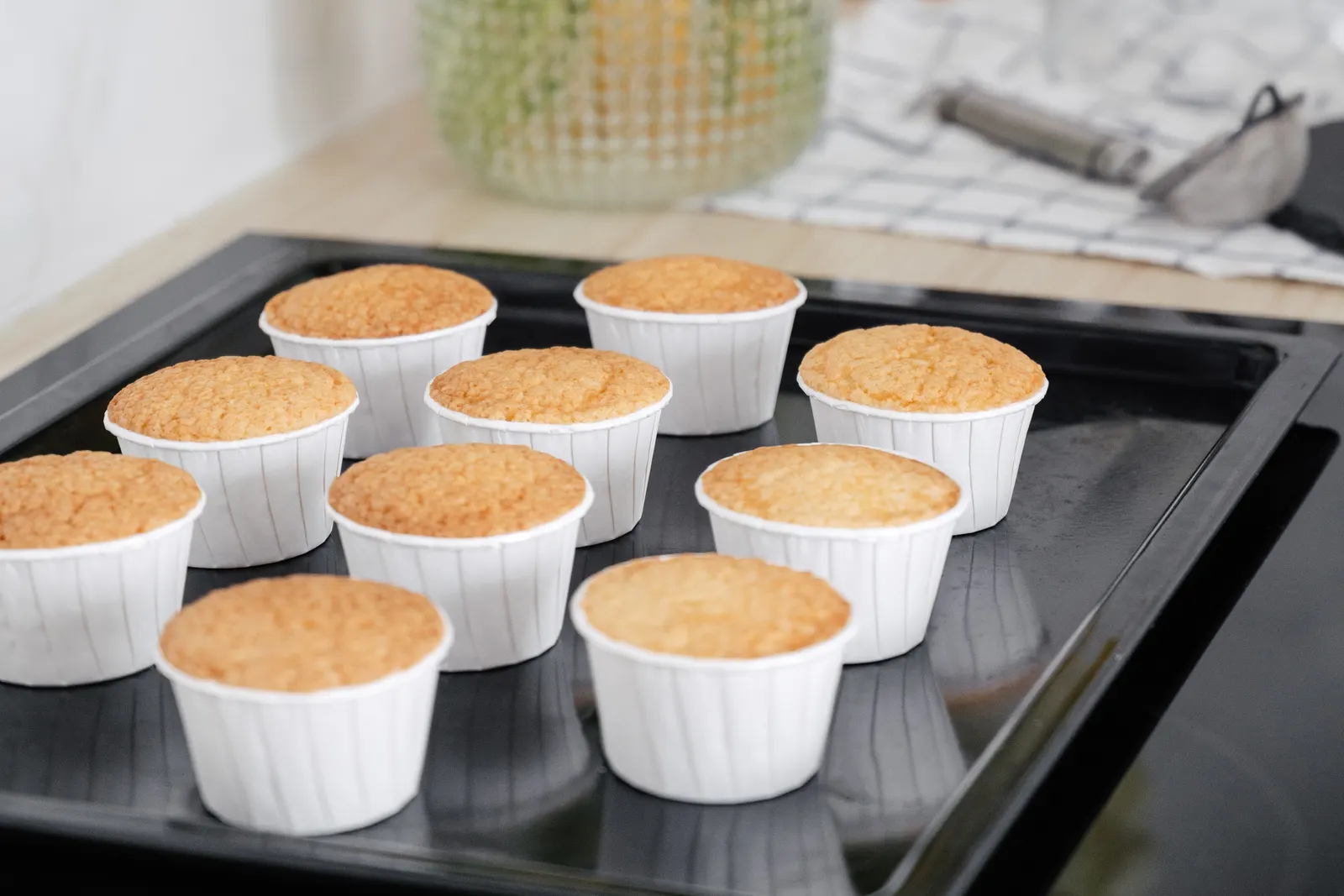
Sunken cupcakes are a specific, common frustration — they look fine coming out of the oven, then settle into a dip in the center as they cool. The causes overlap with what causes full-size cakes to sink, but a few are specific to cupcakes' smaller size and faster bake time.
Cause 1: Opening the Oven Door Too Early
Cupcakes are still setting their structure for the first 10–12 minutes of baking. A rush of cold air from an opened door during that window can cause them to collapse before the structure is strong enough to hold its shape. Wait until at least the 12-minute mark before checking, and open the door quickly rather than leaving it open to peer in.
Cause 2: Overmixing the Batter
Beating too much air into the batter — especially during creaming or after the flour is added — creates a structure that can't support itself once baked, so it rises high and then falls as it cools. Cream butter and sugar for about 2 minutes (not longer), add eggs one at a time, and fold in the flour only until no dry streaks remain.
Cause 3: Expired Leavening
Baking powder and baking soda lose potency over time, and weak leavening means the batter doesn't get enough lift to hold once it sets. Test baking powder by stirring 1/2 teaspoon into 1/4 cup of warm water — it should fizz vigorously. If it barely reacts, replace it.
Cause 4: Oven Running Too Hot
If the oven runs hot, the tops and edges set and brown before the centers have finished cooking through, leaving an undercooked middle that falls as it cools. Check your oven's real temperature with a separate oven thermometer — see oven temperature troubleshooting.
Cause 5: Underbaking
A toothpick can come out clean on a cupcake that isn't actually fully set in the center — this is a common and easy-to-miss trap. Press the top gently with a fingertip; it should spring back rather than leaving an indentation. If it doesn't spring back, give it another minute or two.
Frequently Asked Questions
Sunken cupcakes trace back to timing and air: opening the door too soon, too much air in the batter, weak leavening, an inaccurate oven, or pulling them before they're fully set. Address those and the collapse mostly disappears.
Cheesecakes, Cupcakes & Mini Cakes covers reliable cupcake technique alongside full troubleshooting guidance.
See Cheesecakes, Cupcakes & Mini CakesRelated Articles
Why Did My Cake Crack on Top? Causes and Fixes
A domed, cracked cake top usually comes down to one of three things: an oven running hot, a pan filled too full, or a few extra minutes in the oven. Here's how to tell which one happened.
Oven Temperature Troubleshooting: Why Your Oven Runs Hot or Cold
Set your oven to 350°F and it might actually be baking at 375°F or 325°F. Here's why that happens, how to check, and what to do about it.
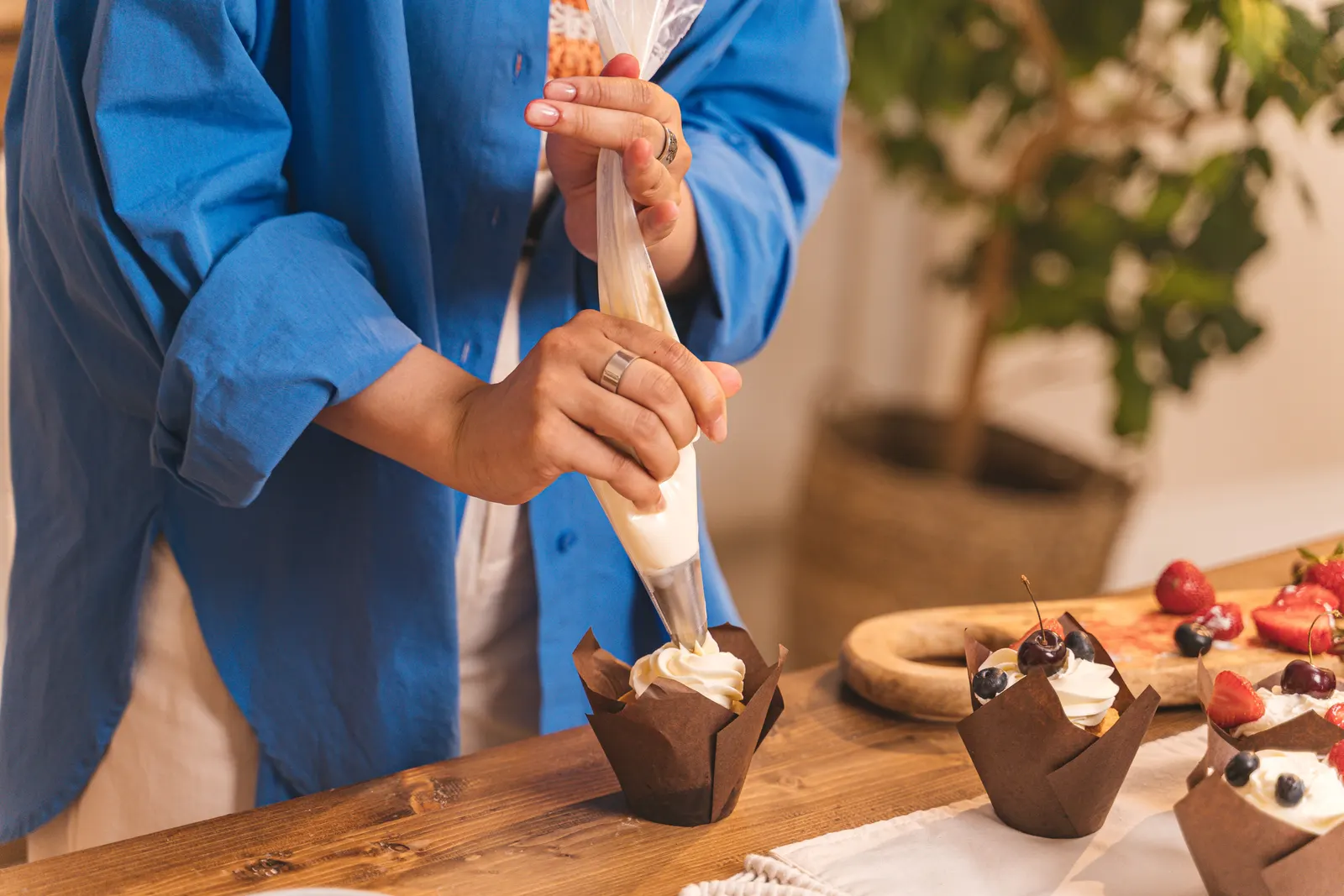
How to Fill Piping Bags and Pipe Cupcake Frosting Like a Bakery
That tall, even bakery-style swirl isn't about a special trick — it's about frosting consistency, the right tip, and consistent pressure. Here's the full technique.