Why Did My Cake Crack on Top? Causes and Fixes
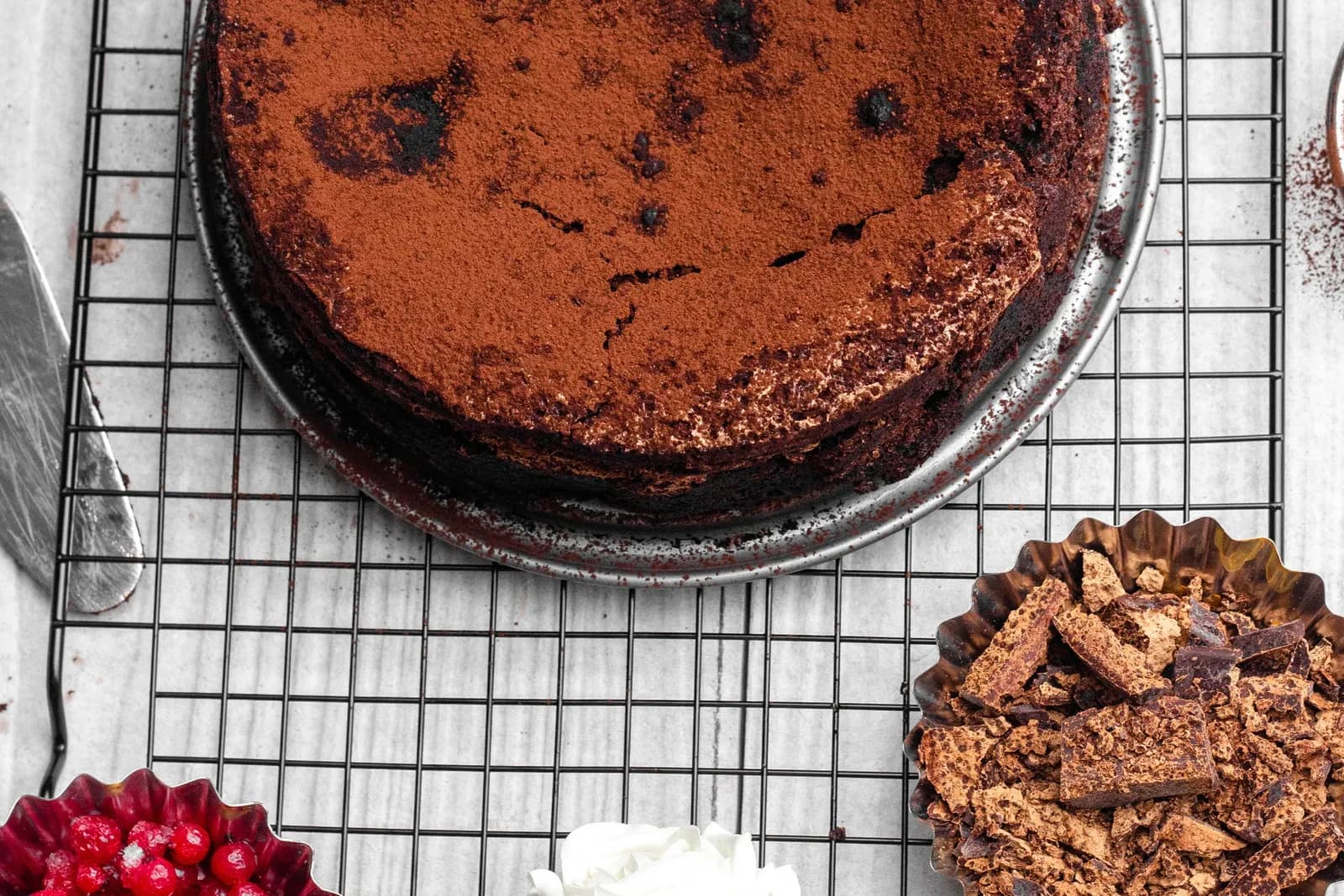
A cracked or heavily domed cake top is one of the more common cake disappointments — the cake still tastes fine, but it doesn't look like the smooth, level layer you were picturing. The good news is that the causes are limited and easy to check.
This is a different problem from a cake sinking in the middle — that's underbaking or too little structure; a cracked or domed top is almost always the opposite: too much heat, too fast, or too much batter for the pan.
Cause 1: Oven Running Too Hot
When the oven is hotter than the recipe assumes, the outside and top of the cake set and start to firm up before the center has finished rising. The center keeps pushing upward against an already-firm top, and it cracks under the pressure.
Check with a separate oven thermometer — many home ovens run 15–25°F hotter than their dial indicates, which is more than enough to cause this. See oven temperature troubleshooting for the full explanation.
Cause 2: Pan Filled Too Full
Cake batter needs room to rise. Filling a pan more than two-thirds full means the batter has to expand further and faster to clear the rim, which puts more strain on the surface as it sets — and strain on a surface that's already firming up is exactly what produces a crack.
- Fill pans no more than two-thirds full.
- If you have extra batter after filling pans properly, use a second pan or make a few cupcakes rather than overfilling.
Cause 3: Overbaking
A few extra minutes in the oven continues to dry and firm the surface after the cake is actually done, making it more prone to cracking as it cools and the structure settles. Pull cakes as soon as a toothpick comes out with a few moist crumbs, not totally clean — totally clean often means it's already slightly past done.
A Smaller Cause: Too Much Leavening
Too much baking powder or baking soda causes the batter to rise unusually fast and high, which can crack the surface the same way overfilling does, even in a correctly filled pan. Double-check the recipe's leavening amount against the flour quantity — a common ratio is about 1 to 1 1/4 teaspoons of baking powder per cup of flour.
Frequently Asked Questions
A cracked top almost always traces back to heat, volume, or time — the oven running hot, the pan too full, or the cake baked a few minutes too long. Check those three first, since they explain the vast majority of cases.
Cake Baking for Beginners covers oven calibration, pan filling, and doneness testing in full detail, with six dedicated troubleshooting lessons.
See Cake Baking for BeginnersRelated Articles
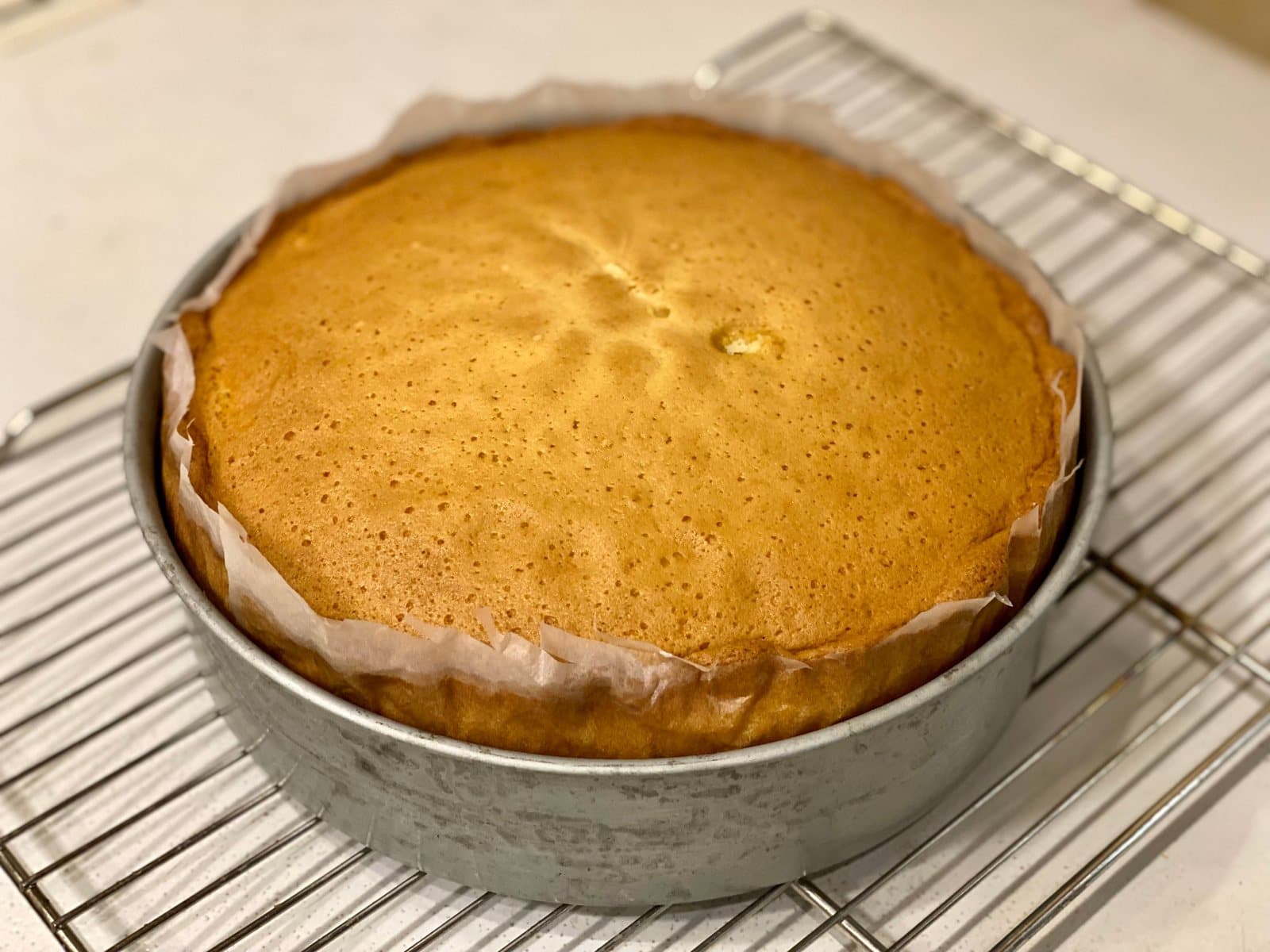
Why Does My Cake Sink in the Middle? 9 Common Causes and Fixes
A cake that sinks in the middle has a specific, findable cause — almost always one of nine things. Here's how to work out which one happened and what to change next time.

Oven Temperature Troubleshooting: Why Your Oven Runs Hot or Cold
Set your oven to 350°F and it might actually be baking at 375°F or 325°F. Here's why that happens, how to check, and what to do about it.
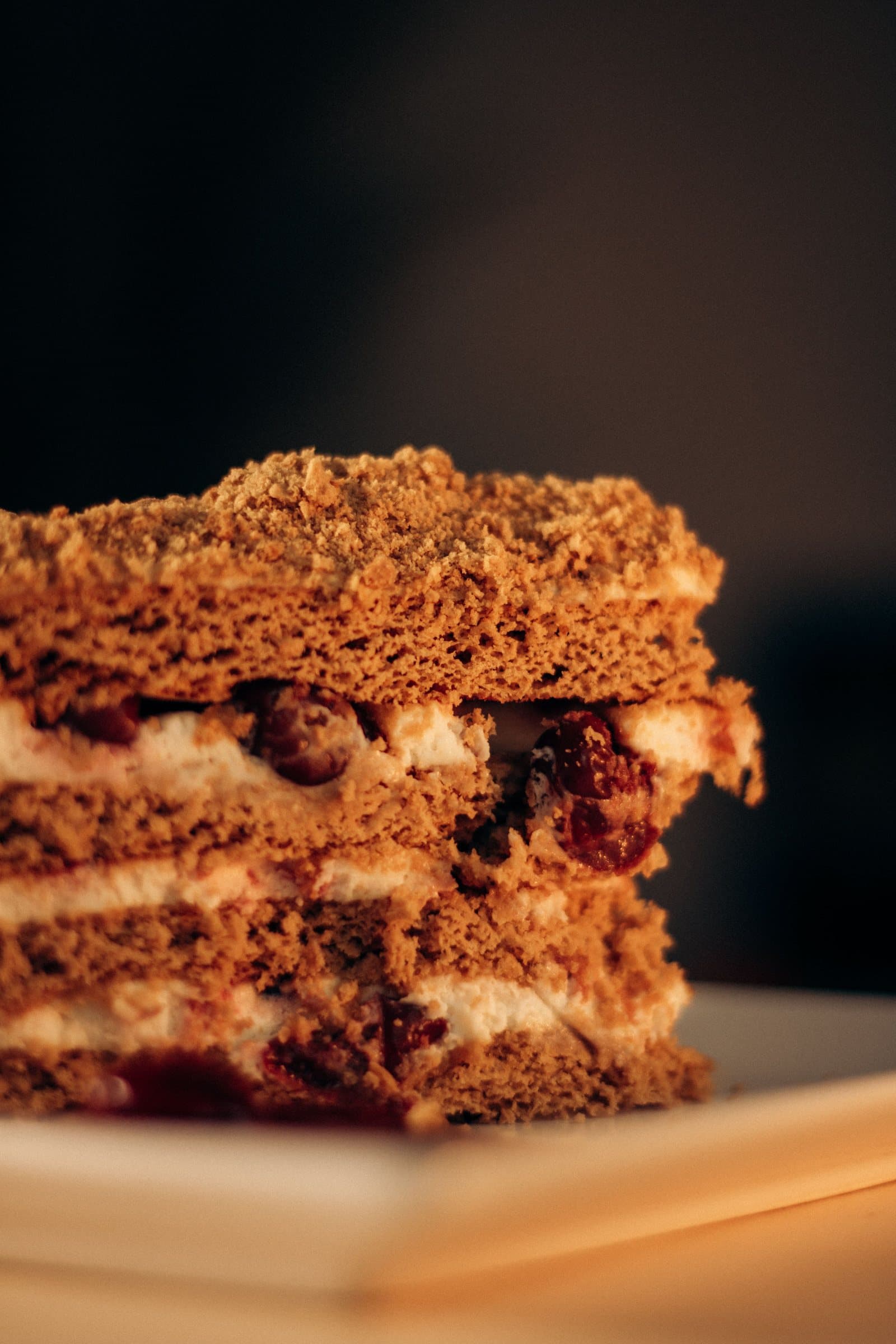
How to Level, Fill, and Stack a Layer Cake for Beginners
Leveling, filling, and stacking are what separate a cake that leans or slides from one that stands straight and cuts clean. Here's the full process, step by step.