Quick Bread vs Yeast Bread: What's the Difference
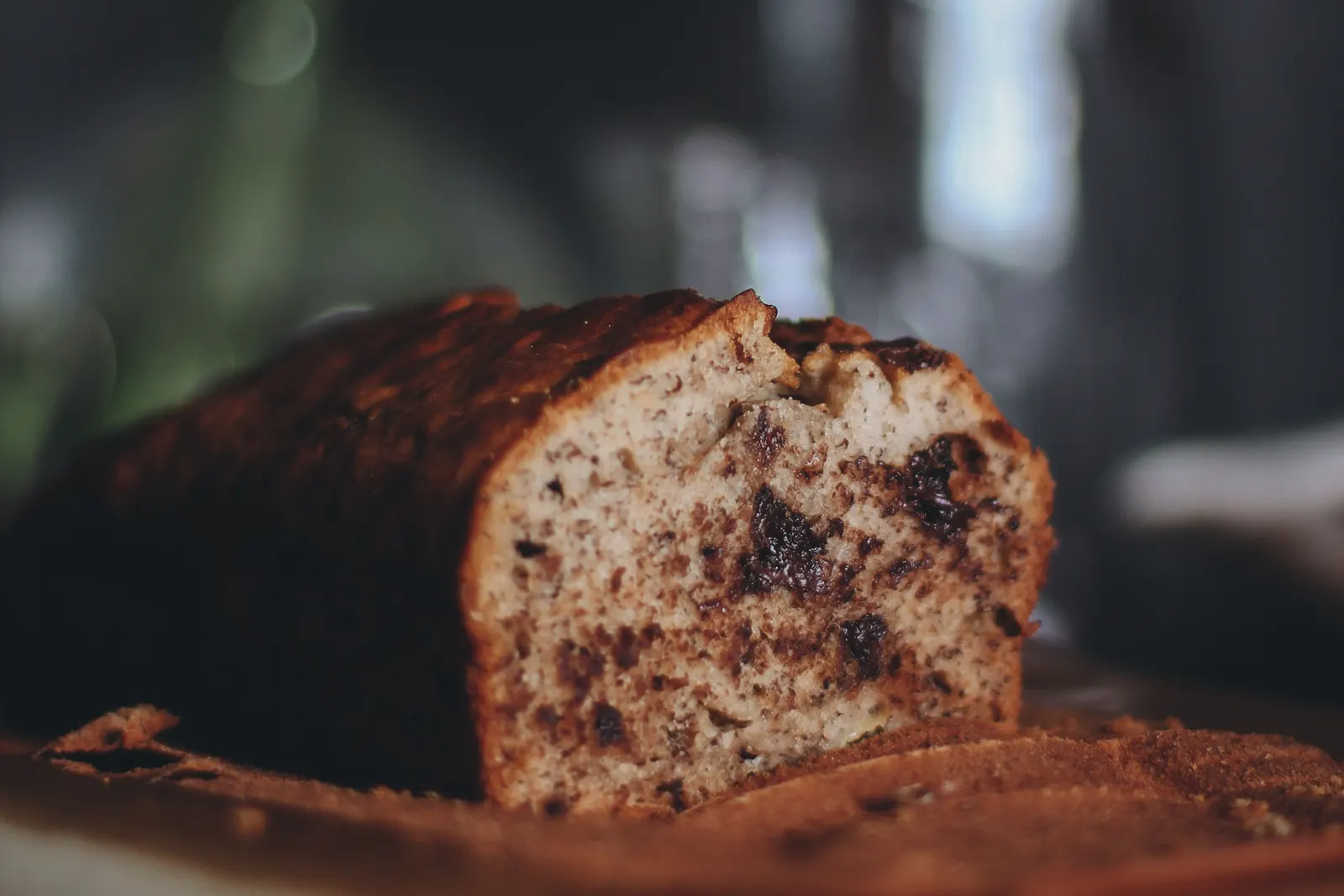
Quick breads and yeast breads share a name, but the way they rise — and the technique each one demands — are almost entirely different. Knowing which category a recipe falls into tells you a lot about how it should be handled.
Quick Bread
Quick breads rise using chemical leaveners — baking soda and/or baking powder — which react with liquid and heat almost immediately, rather than needing time to develop. This is what makes them quick: mix, pour, and bake, usually within an hour total.
- Examples: banana bread, pumpkin bread, muffins, most cakes.
- Technique: minimal mixing is key — overmixing develops gluten and makes the crumb tough, the opposite of what you want. See how to fix overmixed batter.
- Texture: tender, cake-like crumb.
- Time: no proofing or rising wait — bake shortly after mixing.
Yeast Bread
Yeast bread relies on living yeast, which consumes sugars in the dough and produces carbon dioxide gas over time, causing the dough to rise slowly. This requires time (often hours) for the yeast to work, plus kneading to develop the gluten structure that traps the gas and gives bread its characteristic chew.
- Examples: dinner rolls, cinnamon rolls, sandwich bread, pizza dough.
- Technique: kneading (to develop gluten) is essential, and the dough needs to rest and rise, often more than once.
- Texture: chewier, with a more open, irregular crumb structure.
- Time: hours, not minutes — proofing can't be rushed without compromising the result.
How to Tell Which One a Recipe Is
Check the ingredient list and instructions: if it calls for baking soda or baking powder and goes straight into the oven, it's a quick bread. If it calls for yeast and includes a rise time, often listed as proofing or letting the dough double in size, it's a yeast bread.
Frequently Asked Questions
Quick bread and yeast bread describe two genuinely different leavening systems, not a spectrum of the same thing — recognizing which one a recipe is tells you immediately how much to mix, and how much patience to expect.
Sweet Breads, Rolls & Breakfast Bakes covers both quick breads and yeasted bakes with full technique guidance for each.
See Sweet Breads, Rolls & Breakfast BakesRelated Articles
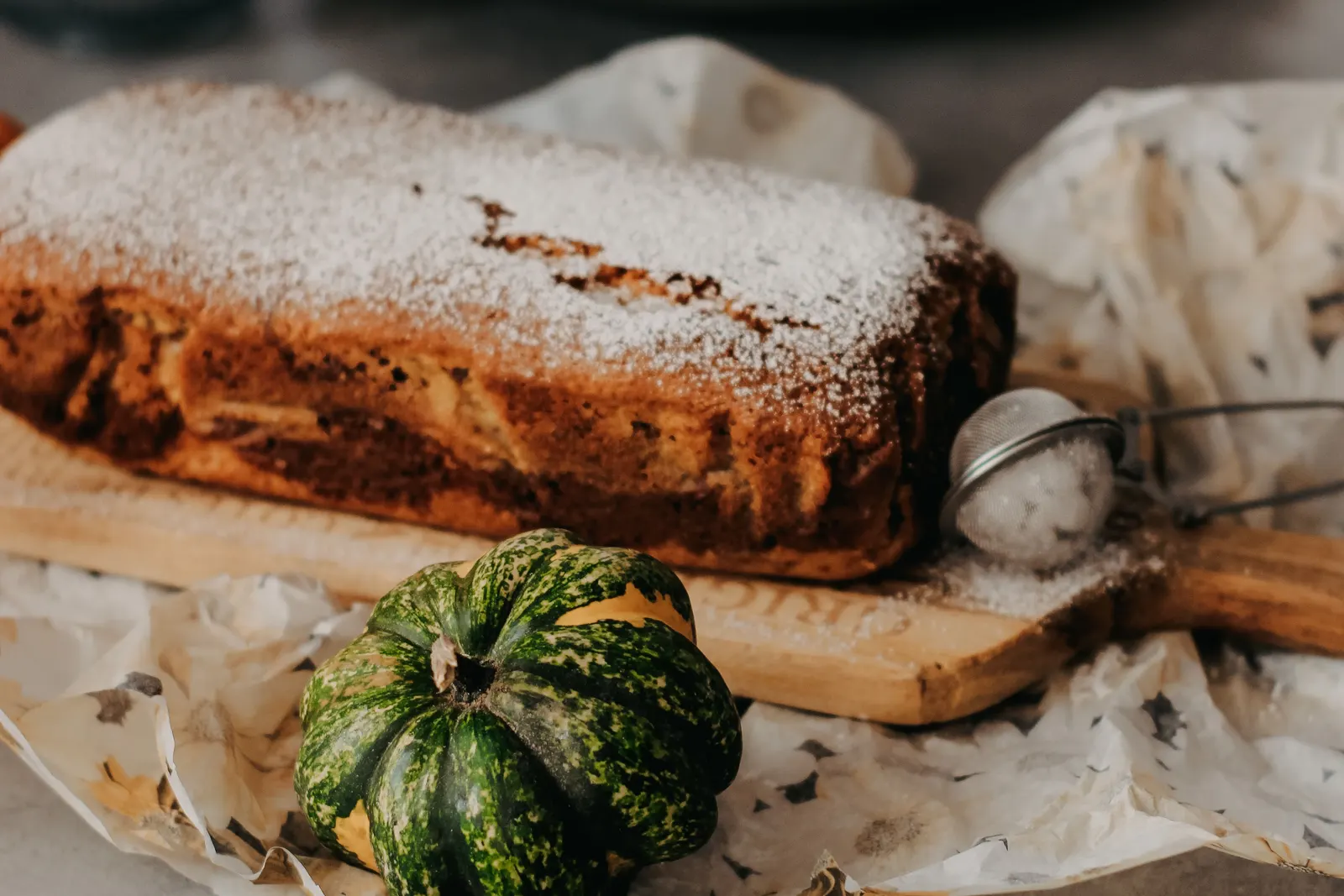
Pumpkin Bread: Recipe and Tips for a Moist Loaf
A reliably moist pumpkin bread recipe, with the mixing technique and doneness cues that make the difference between a tender loaf and a dense one.

Overnight Cinnamon Rolls: Make-Ahead Method Explained
Warm, fresh cinnamon rolls without an early-morning start — the dough does its second rise slowly in the refrigerator overnight instead of on the counter.
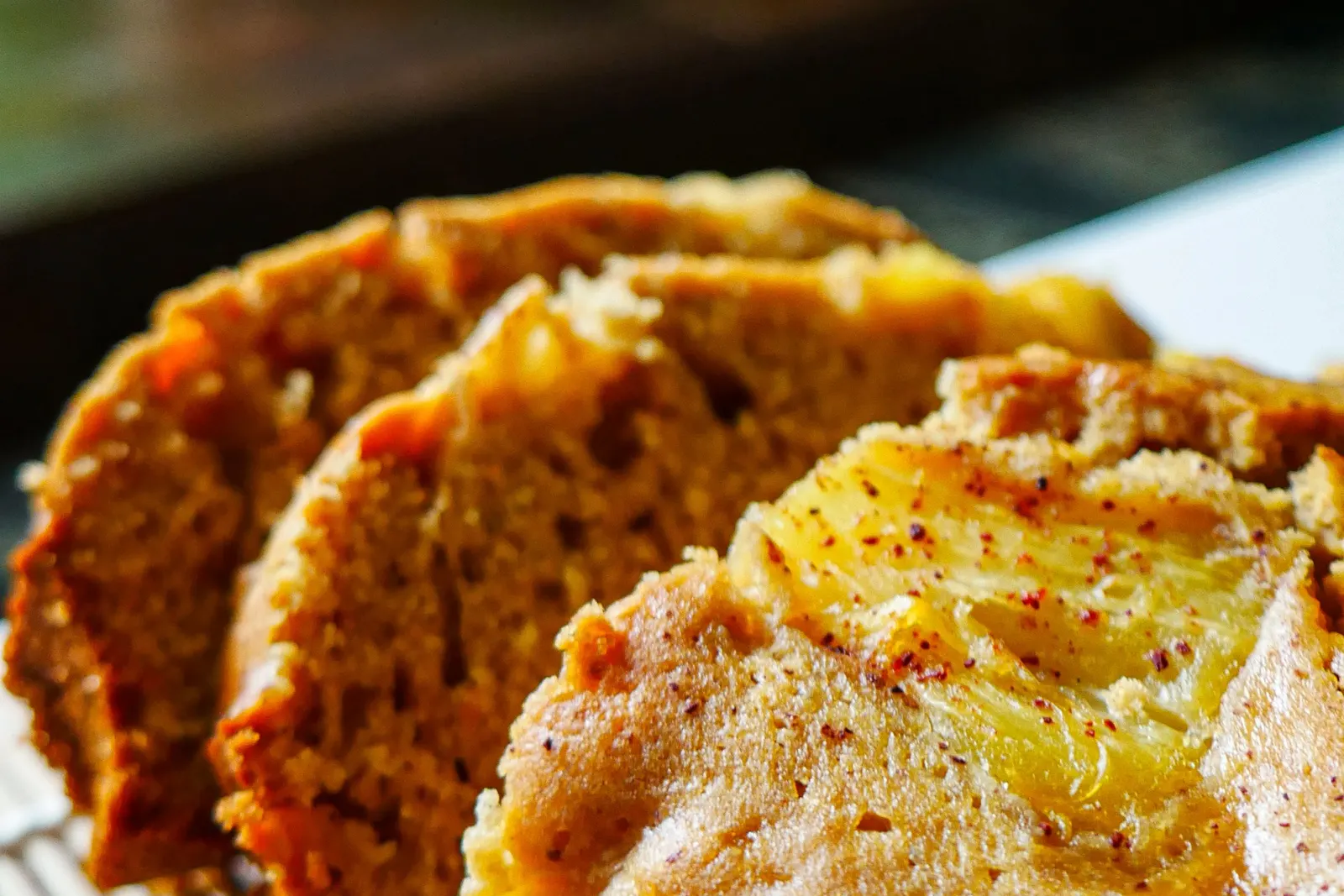
Why Is My Banana Bread Dense or Gummy? Causes and Fixes
Banana bread should be moist and tender, not heavy or gummy. Here's what usually causes a dense result, and the specific fixes for each.