How to Fix Overmixed Batter (and How to Avoid It Next Time)
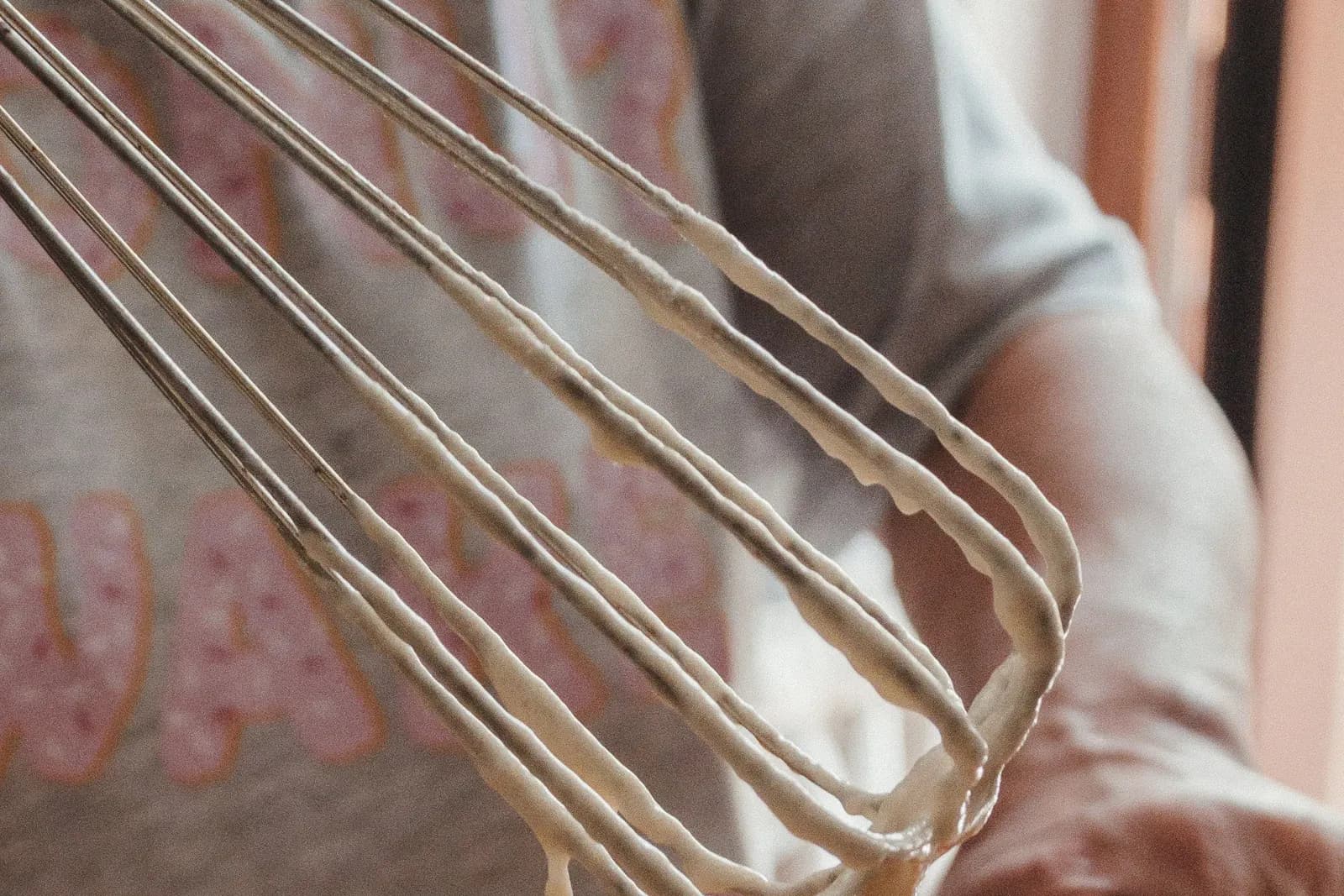
Overmixing is one of the most common, least visible causes of a disappointing cake, muffin, or quick bread — the batter looks fine going into the oven, but the result bakes up dense and tough instead of tender.
What Overmixing Actually Does
Flour contains proteins that form gluten once they're combined with liquid and agitated. A small amount of gluten gives structure; too much makes a batter elastic and tough, which bakes into a dense, chewy result rather than a tender one. This is the opposite of what works well for bread, where strong gluten is the goal — but it's a problem for cakes, muffins, and most quick breads.
Signs of Overmixed Batter
Overmixed batter often looks smooth and glossy, sometimes with visible gluten strands if you look closely, and it may feel noticeably heavier or more elastic than a properly mixed batter. The real evidence usually shows up after baking: a dense, tight crumb, sometimes with tunnels or holes running through it, and a tougher-than-expected bite.
Frequently Asked Questions
Overmixing isn't reversible once it happens, which makes prevention the only real fix — mix just until flour disappears, and trust that a slightly lumpy batter is doing its job correctly rather than needing more attention.
Cake Baking for Beginners covers mixing technique in detail, including exactly when to stop and why it matters.
See Cake Baking for BeginnersRelated Articles
Why Do Cupcakes Sink in the Middle? Causes and Fixes
A cupcake that rises nicely and then collapses in the center usually comes down to one of five causes, most of them simple to fix. Here's how to find yours.
Why Is My Banana Bread Dense or Gummy? Causes and Fixes
Banana bread should be moist and tender, not heavy or gummy. Here's what usually causes a dense result, and the specific fixes for each.
Why Room-Temperature Ingredients Matter in Baking
"Room temperature" shows up constantly in recipes, and skipping it is a common, invisible cause of dense cakes, curdled batter, and uneven mixing.