Why Room-Temperature Ingredients Matter in Baking
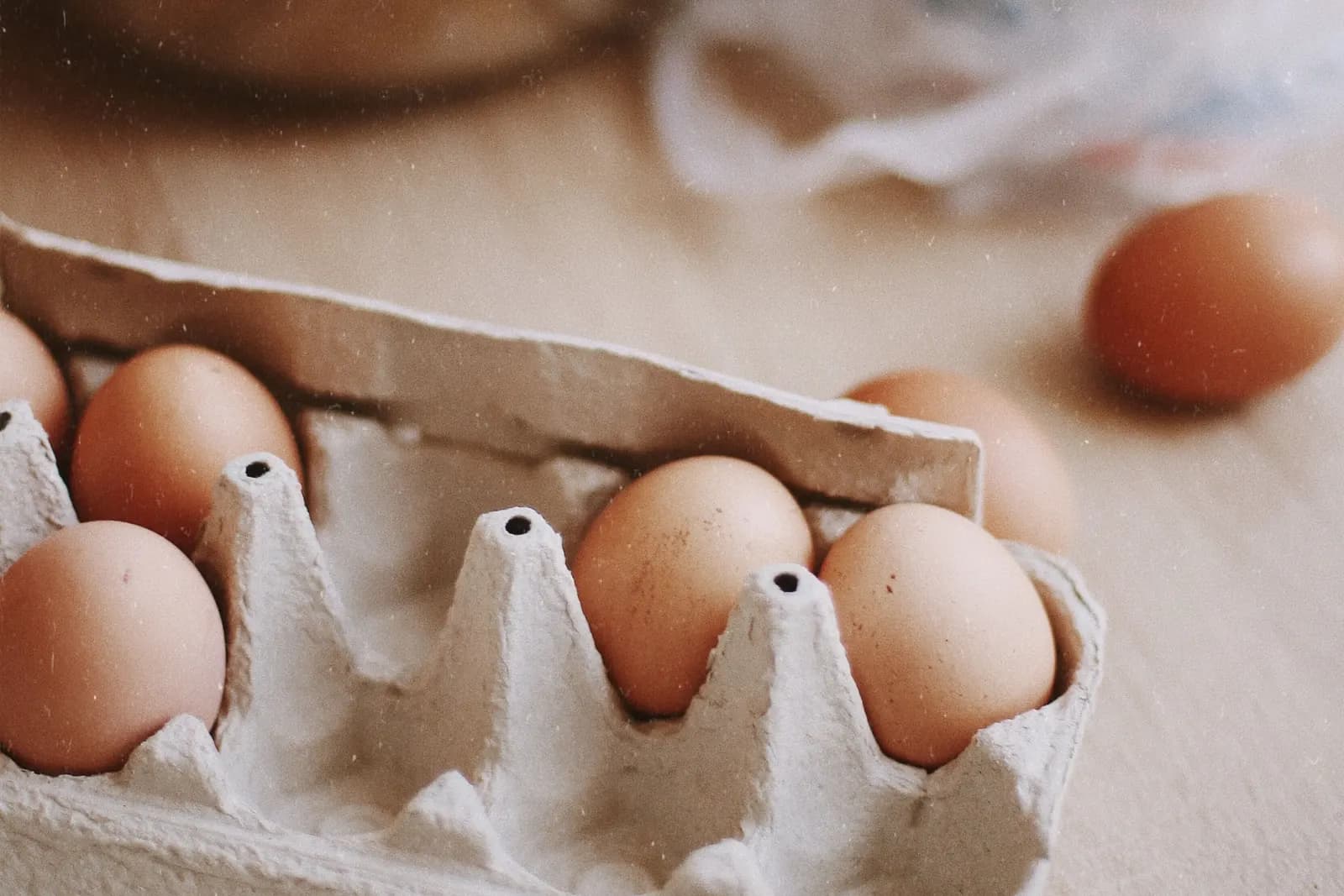
Recipes frequently call for room-temperature eggs, butter, and milk, and it's tempting to skip the wait when a recipe is otherwise ready to go. In practice, ingredient temperature affects how well everything combines, and the difference shows up in the final texture more often than people expect.
Why Cold Eggs Cause Problems
Adding cold eggs to properly softened, creamed butter can cause the mixture to seize up and look curdled or separated, since the sudden temperature drop firms the butter back up unevenly. A curdled-looking batter can still bake fine, but it often traps less air during creaming, which can lead to a denser result than intended.
Why Cold Milk or Buttermilk Matters
Cold liquid added to a butter-and-sugar mixture can cause the same kind of seizing, making the batter harder to combine smoothly and more likely to need overmixing to fix, which creates its own texture problems. See how to fix overmixed batter for what happens when that overcorrection goes too far.
Frequently Asked Questions
Room temperature isn't an arbitrary instruction — it's about getting ingredients to combine smoothly rather than seizing or separating, which directly affects how much air gets trapped and how even the final texture turns out.
Cake Baking for Beginners explains ingredient temperature as part of its full creaming and mixing technique lessons.
See Cake Baking for BeginnersRelated Articles
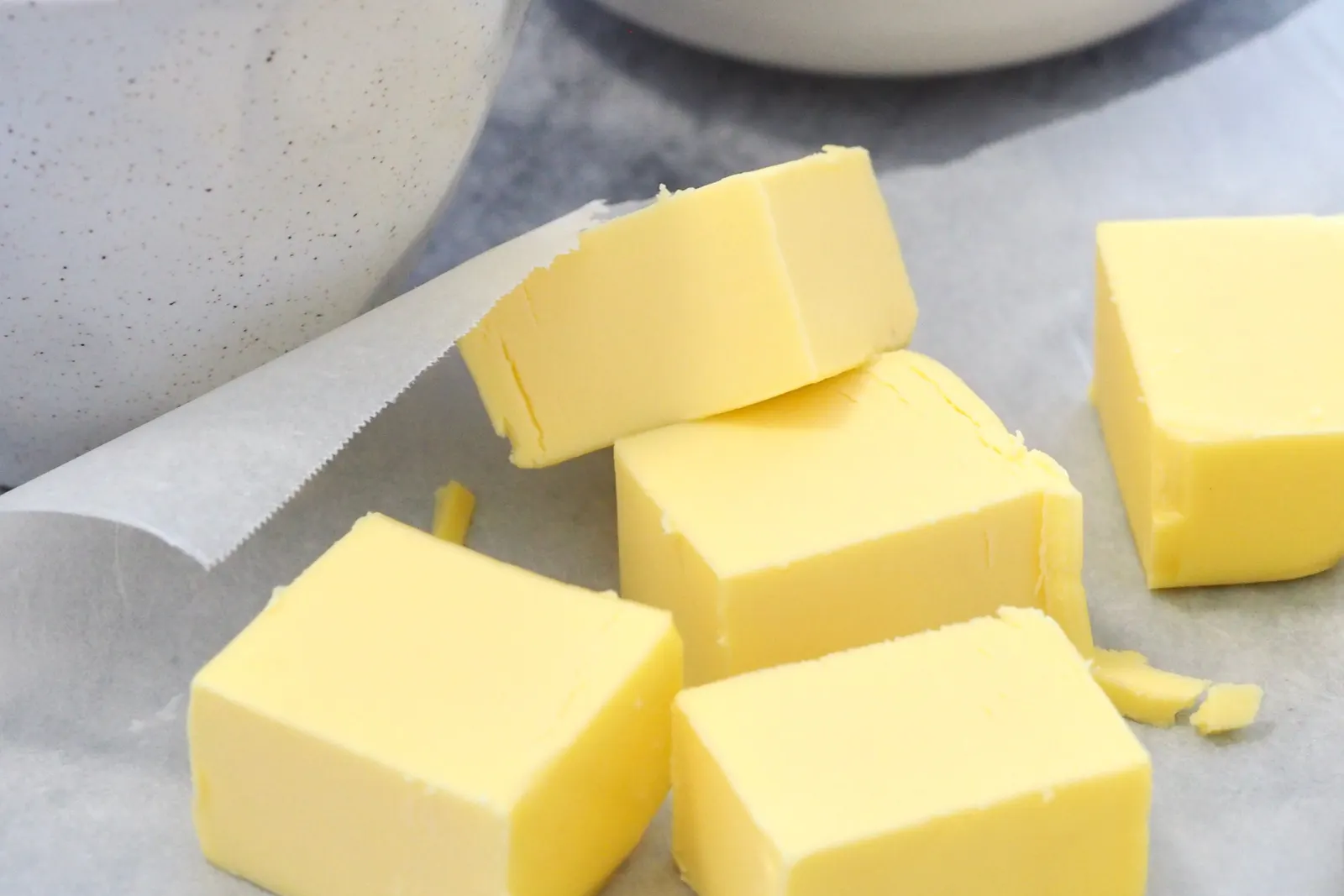
Butter Temperature Guide: Why It Matters More Than You Think
"Softened butter" is more precise than it sounds — too soft or too cold both cause real, specific problems. Here's how to tell when it's actually right.
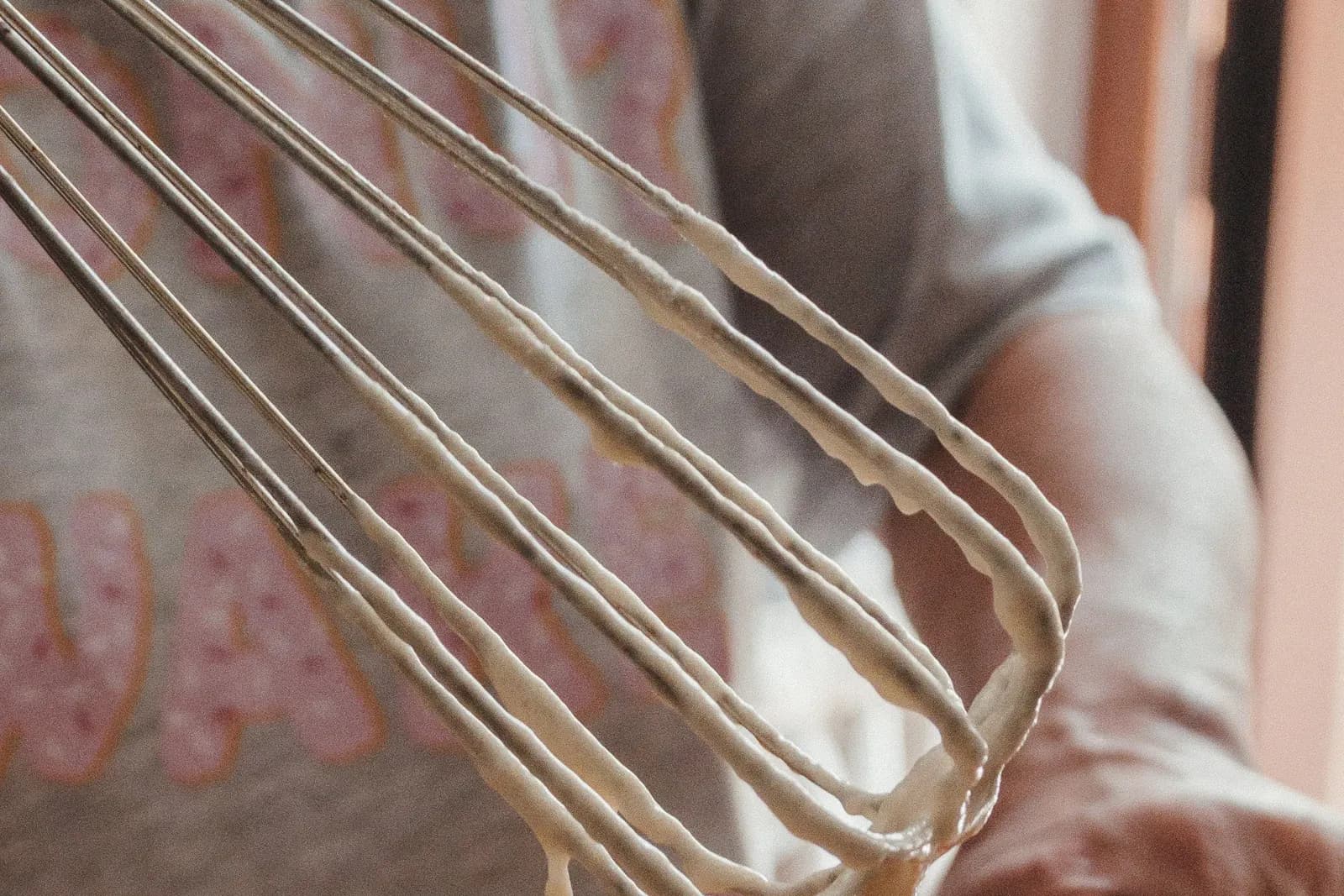
How to Fix Overmixed Batter (and How to Avoid It Next Time)
Overmixing develops too much gluten, leading to a dense, tough result. Here's how to recognize it, what (if anything) you can do about it, and how to avoid it going forward.
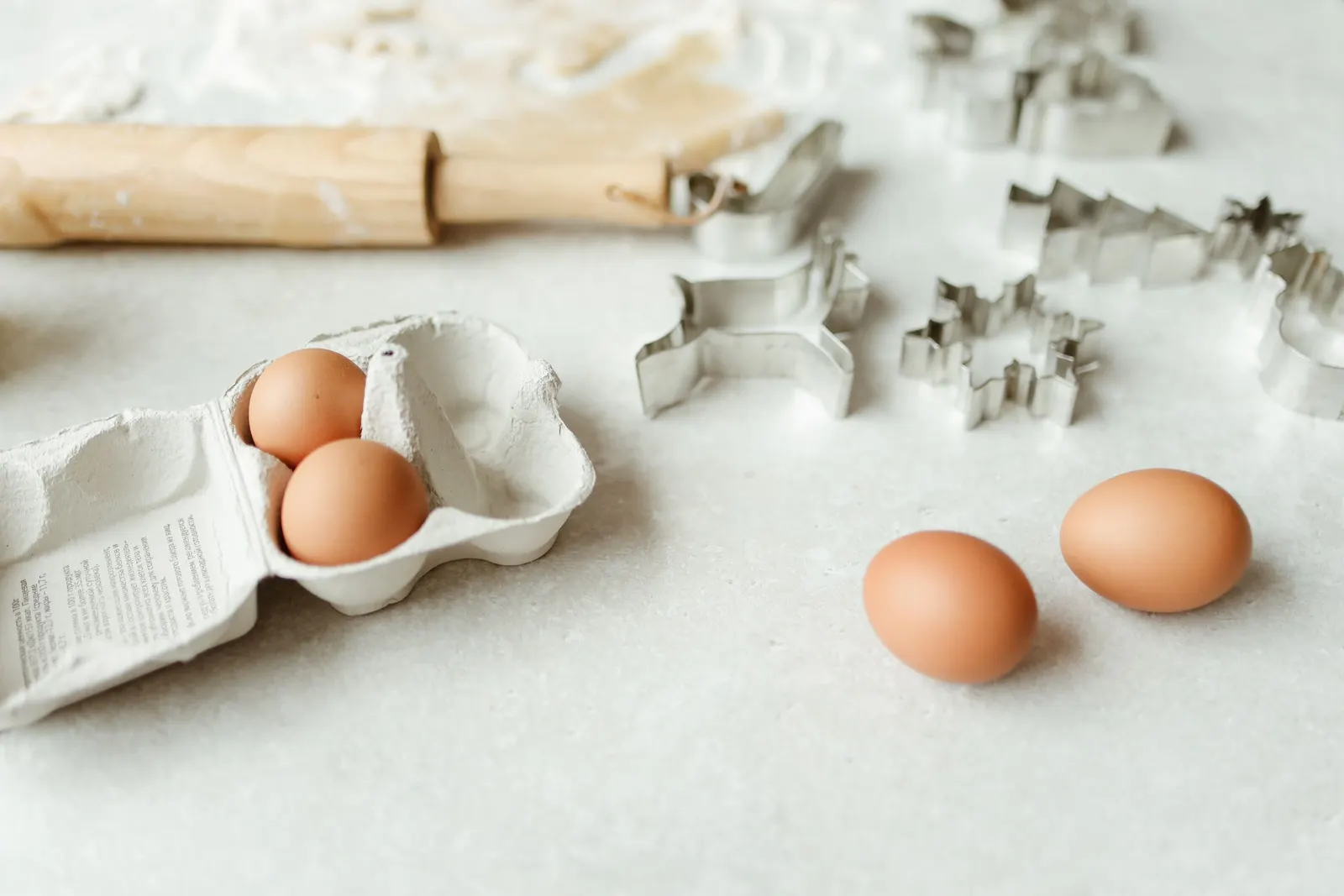
Egg Sizes in Baking: Does It Really Matter Which You Use?
Most recipes assume large eggs by default — using a different size usually doesn't matter much, except in a few more sensitive recipes.