Egg Sizes in Baking: Does It Really Matter Which You Use?
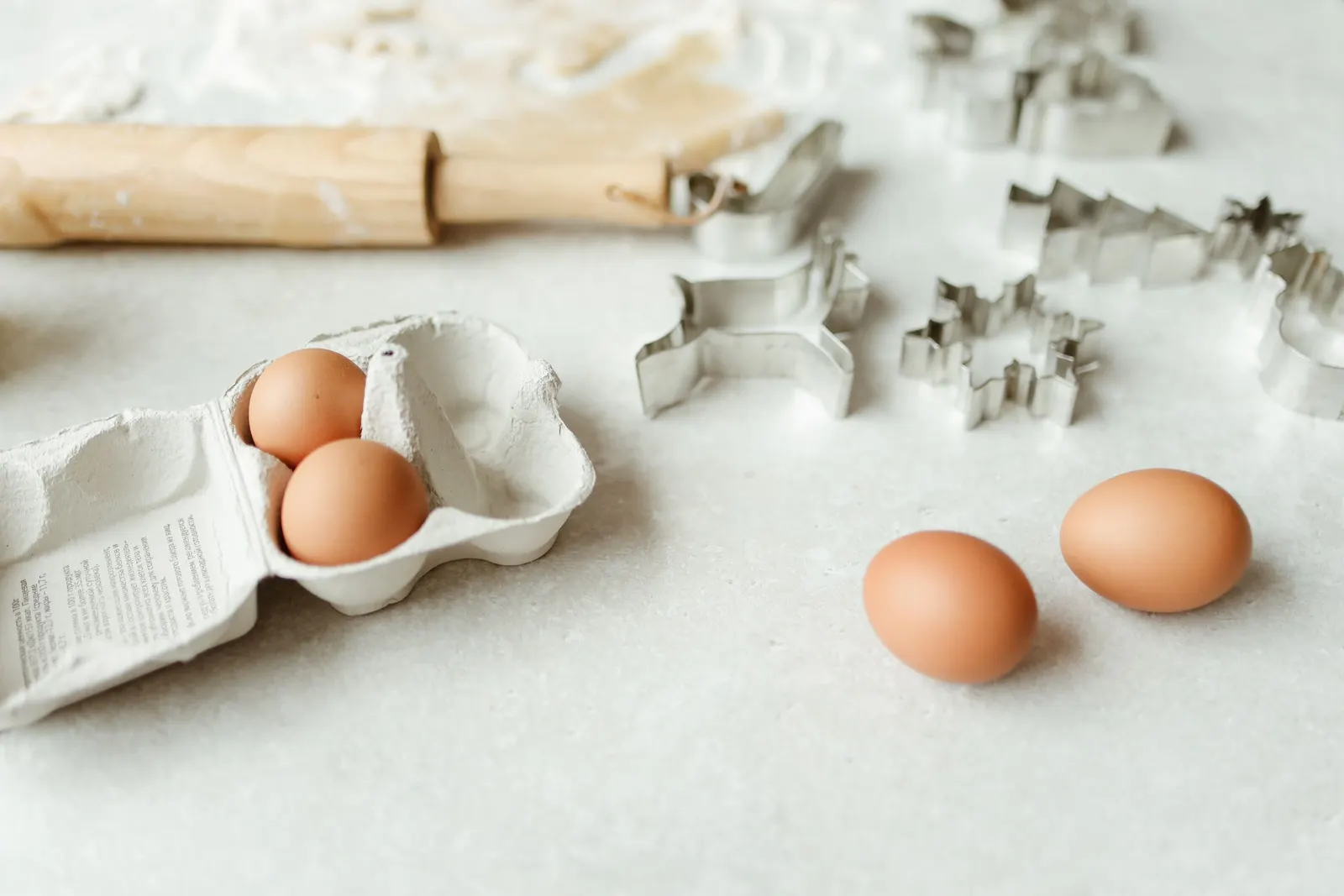
Egg cartons come in several size labels — small, medium, large, extra-large, jumbo — and most baking recipes don't bother specifying which one to use, because they're almost always written assuming large eggs, the most common size sold.
How Much Egg Sizes Actually Differ
A large egg weighs about 50g without the shell (around 1/4 cup liquid volume). A medium egg is roughly 44g, extra-large roughly 56g — differences of just a few grams per egg, which rarely matters in a single-egg swap within an otherwise large recipe.
When Egg Size Genuinely Matters
In recipes calling for several eggs (four or more), or delicate recipes like meringue, soufflé, or genoise sponge where egg volume directly drives the structure, a size mismatch adds up and can noticeably affect moisture and texture. In a single-egg muffin or cookie recipe, the difference is negligible.
How to Adjust If You Only Have a Different Size
Weigh eggs out of the shell to match the recipe's assumed total (about 50g per large egg) rather than guessing by count — this is the most reliable way to substitute accurately, especially in a recipe using several eggs.
Frequently Asked Questions
Egg size matters far less than most people assume for everyday baking — large is the safe default, and small differences rarely show up unless a recipe uses many eggs or depends heavily on precise egg volume for structure.
Cake Baking for Beginners covers ingredient measurement and substitution as part of its full beginner-focused lessons.
See Cake Baking for BeginnersRelated Articles
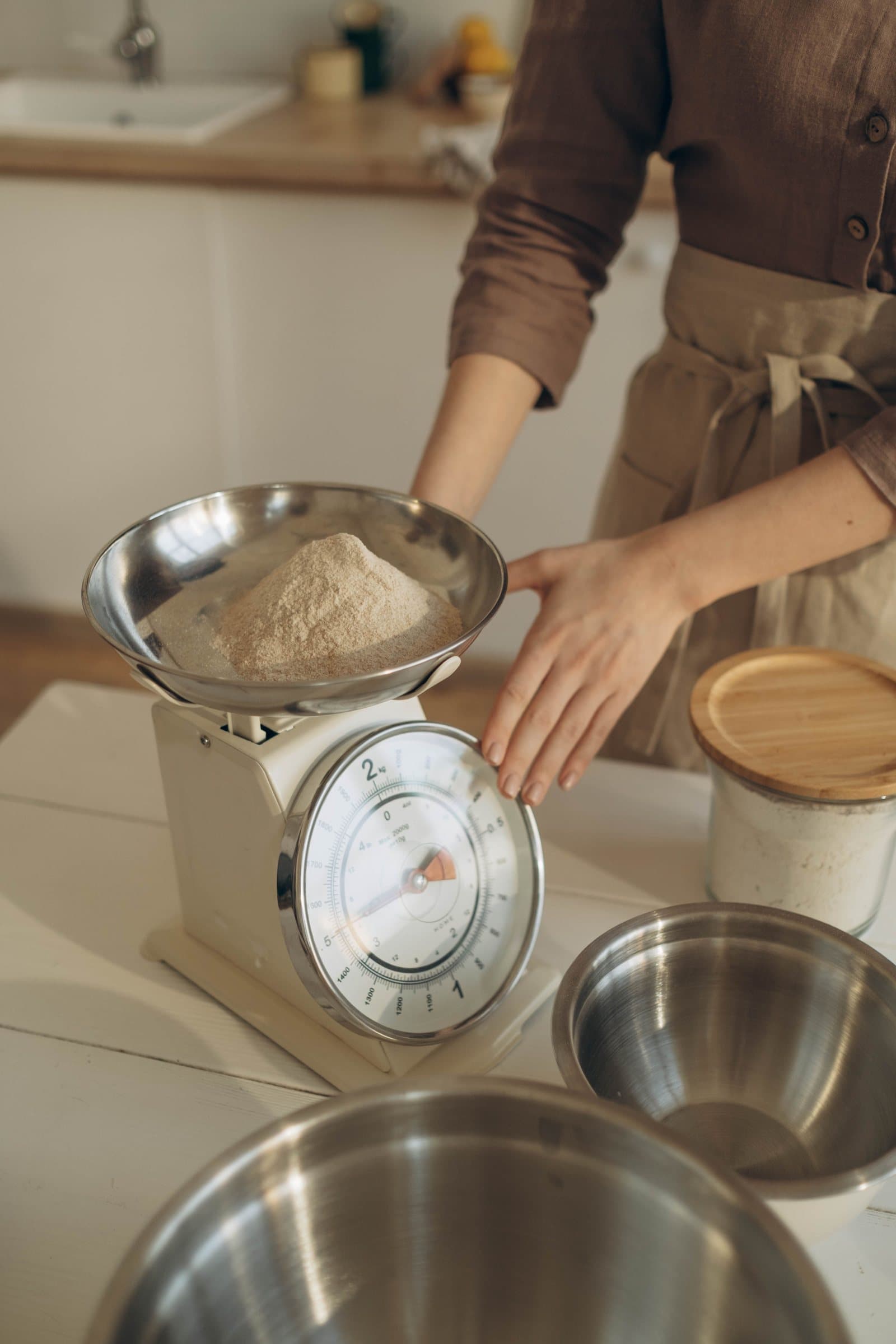
How to Measure Cake Ingredients Accurately: Cups vs. Grams
The same "1 cup of flour" can weigh anywhere from 120g to 150g depending on how it's measured. Here's how to measure accurately with cups, and why grams remove the guesswork entirely.

Why Room-Temperature Ingredients Matter in Baking
"Room temperature" shows up constantly in recipes, and skipping it is a common, invisible cause of dense cakes, curdled batter, and uneven mixing.
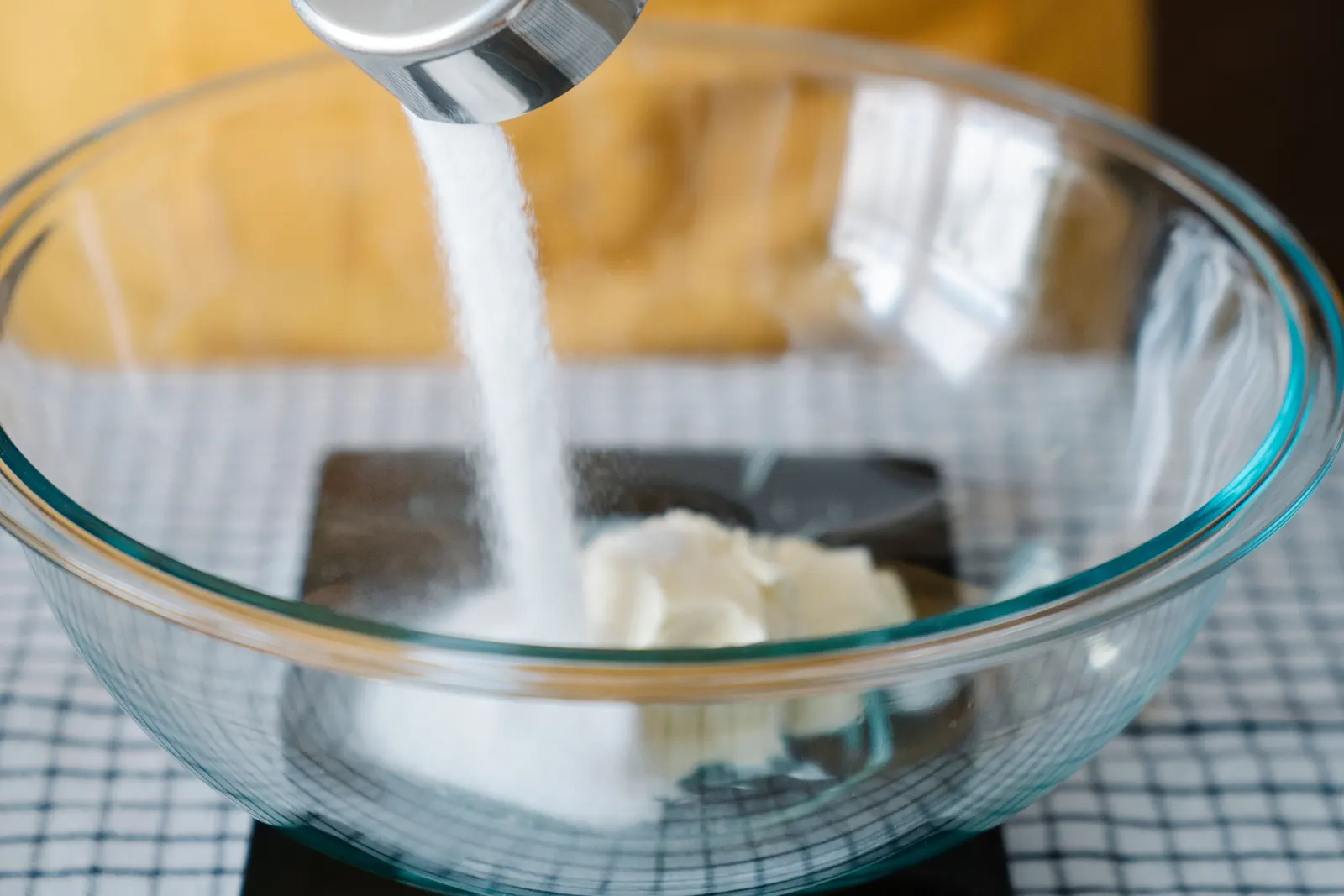
Baking Substitutions Guide: Common Ingredient Swaps That Actually Work
Out of buttermilk, baking powder, or brown sugar? Here's what actually works as a substitute, the exact ratio to use, and which swaps change the result enough to notice.