Butter Temperature Guide: Why It Matters More Than You Think
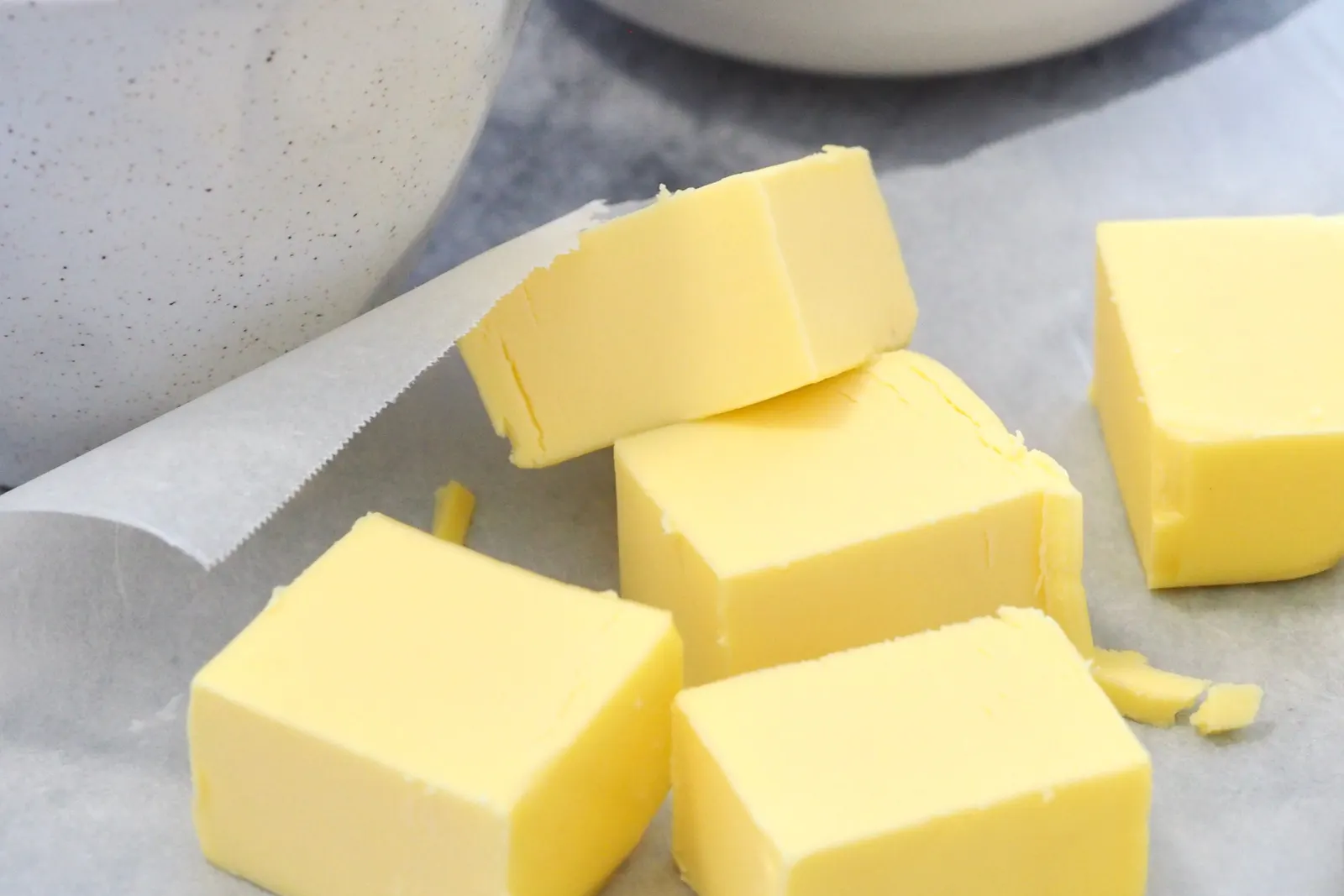
Few instructions in baking are as vague-sounding as softened butter, yet getting butter's temperature right (or wrong) has an outsized effect on texture — it shows up in cookie spread, cake crumb, and how evenly a batter comes together.
What Softened Actually Means
Properly softened butter gives slightly when pressed with a finger, holding a shallow indent, but doesn't look shiny, greasy, or visibly melted at the edges. This is typically achieved by leaving butter out at room temperature for 30–60 minutes, depending on how warm your kitchen is — not by microwaving it, which tends to melt the surface before the inside catches up.
Why Creaming Needs the Right Temperature
Creaming butter and sugar together is about beating air into the butter, which expands in the oven and helps a cake or cookie rise. Butter that's too cold is too firm to hold air properly and won't cream smoothly. Butter that's too warm or melted can't trap air at all — it just combines with the sugar into a slick, dense mixture, which shows up later as flatter cookies or a denser cake.
Why Cold Butter Matters for Pastry
Pie crust, biscuits, and scones work on the opposite principle — small, cold, solid chunks of butter get cut or rubbed into the flour, and as the dough bakes, those chunks melt and release steam, creating flaky layers. Butter that's too warm here blends into the flour instead of staying in distinct pieces, producing a denser, less flaky result.
Quick Ways to Soften or Firm Up Butter
To soften quickly: cut cold butter into small cubes, which speeds up warming since more surface area is exposed to room temperature. To firm up butter that's gotten too soft: a brief 10–15 minutes in the refrigerator usually brings it back to a workable temperature without fully re-hardening it.
Frequently Asked Questions
Butter temperature isn't a minor detail — it's one of the few variables that genuinely controls texture across nearly every category of baking, from cakes to cookies to pastry, just in opposite directions depending on the technique.
Cake Baking for Beginners covers butter temperature and creaming technique as part of its full ingredient and technique lessons.
See Cake Baking for BeginnersRelated Articles
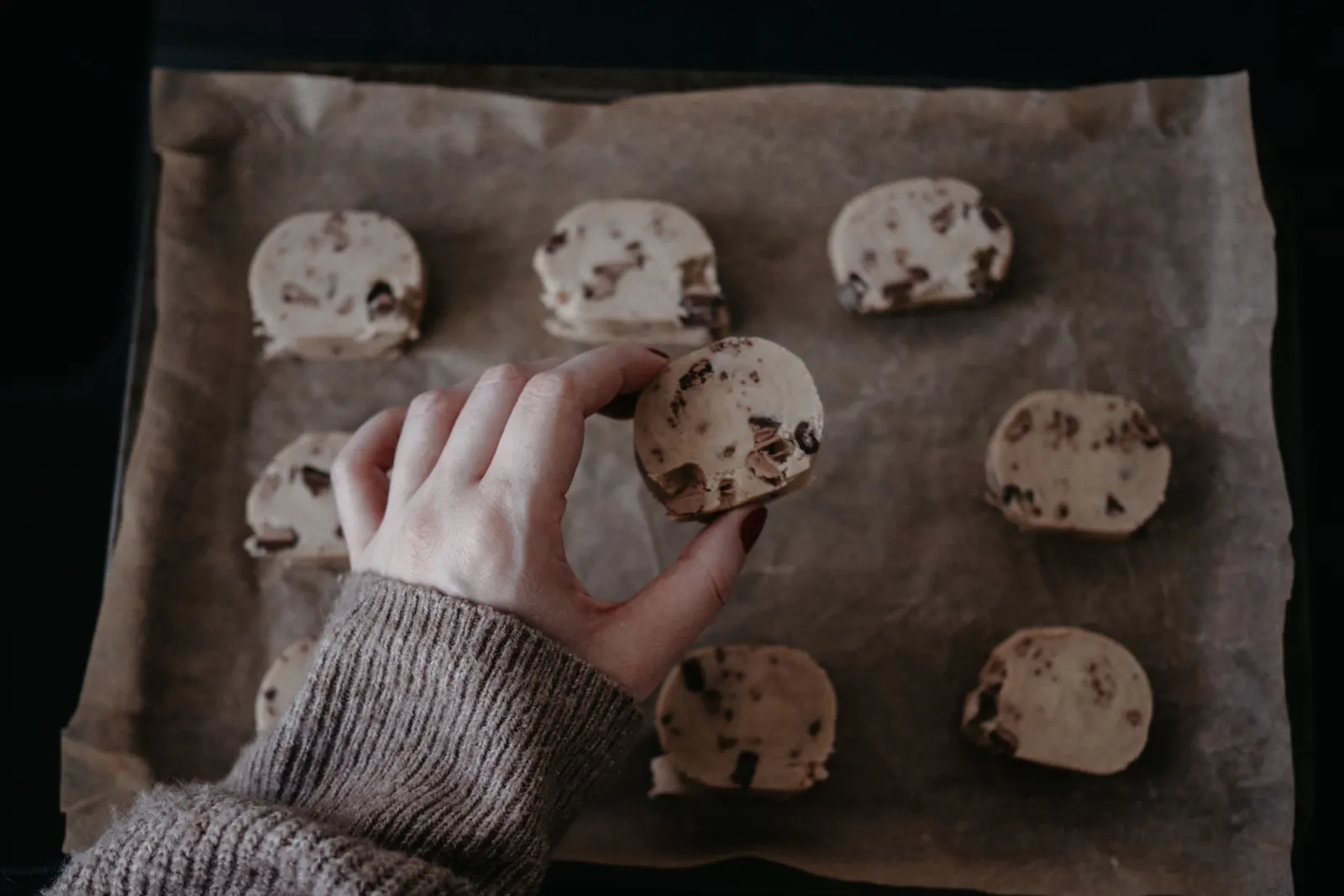
Why Are My Cookies Spreading Too Much? Causes and Fixes
Cookies that spread into thin, flat puddles instead of holding a nice round shape usually trace back to butter temperature, pan heat, or ingredient balance. Here's how to fix it.

Why Room-Temperature Ingredients Matter in Baking
"Room temperature" shows up constantly in recipes, and skipping it is a common, invisible cause of dense cakes, curdled batter, and uneven mixing.
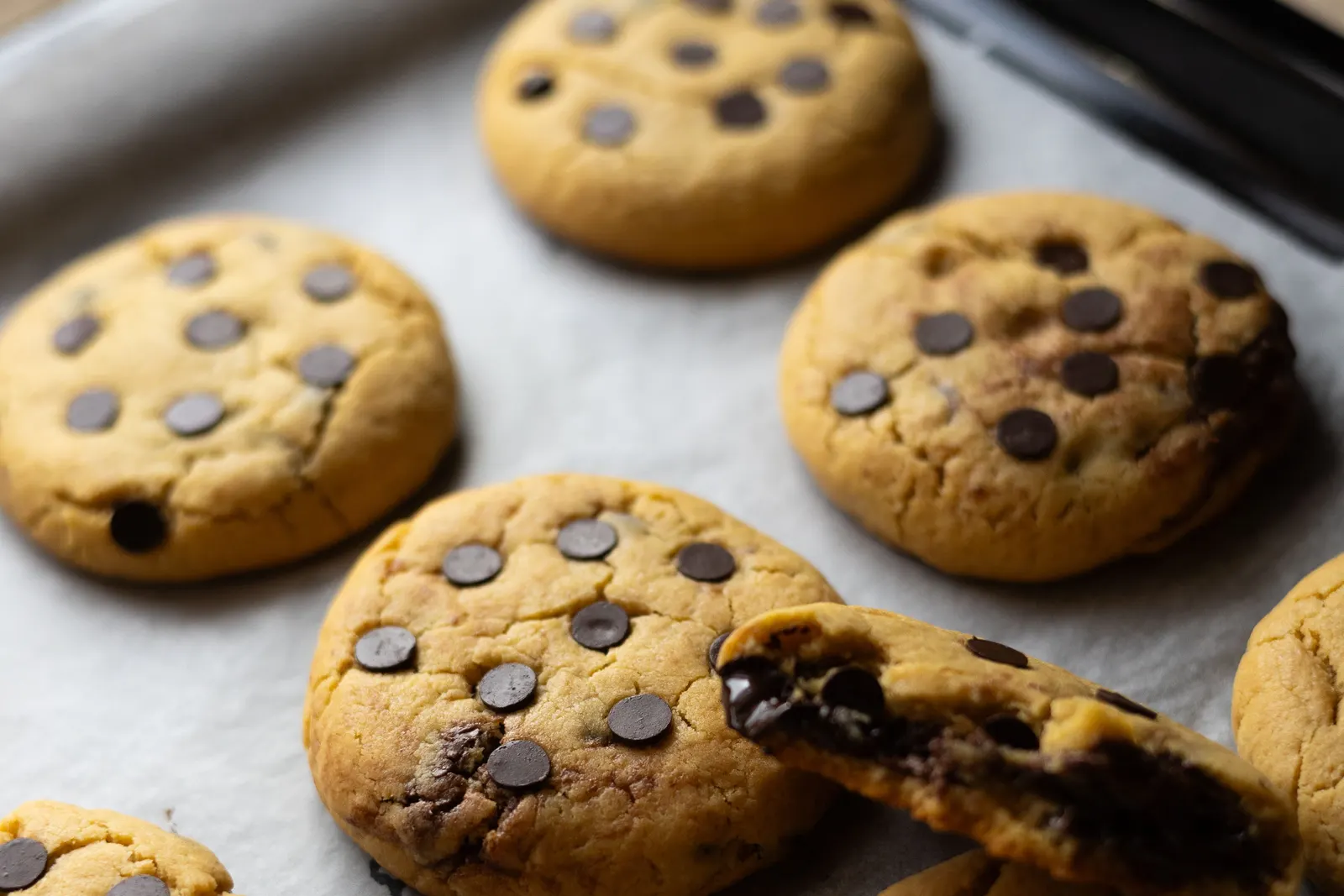
Brown Butter Cookies: How to Brown Butter and Why It Matters
Browning the butter before it goes into cookie dough adds a nutty, toasted depth that regular butter can't — here's the technique, plus a full recipe.