Brown Butter Cookies: How to Brown Butter and Why It Matters
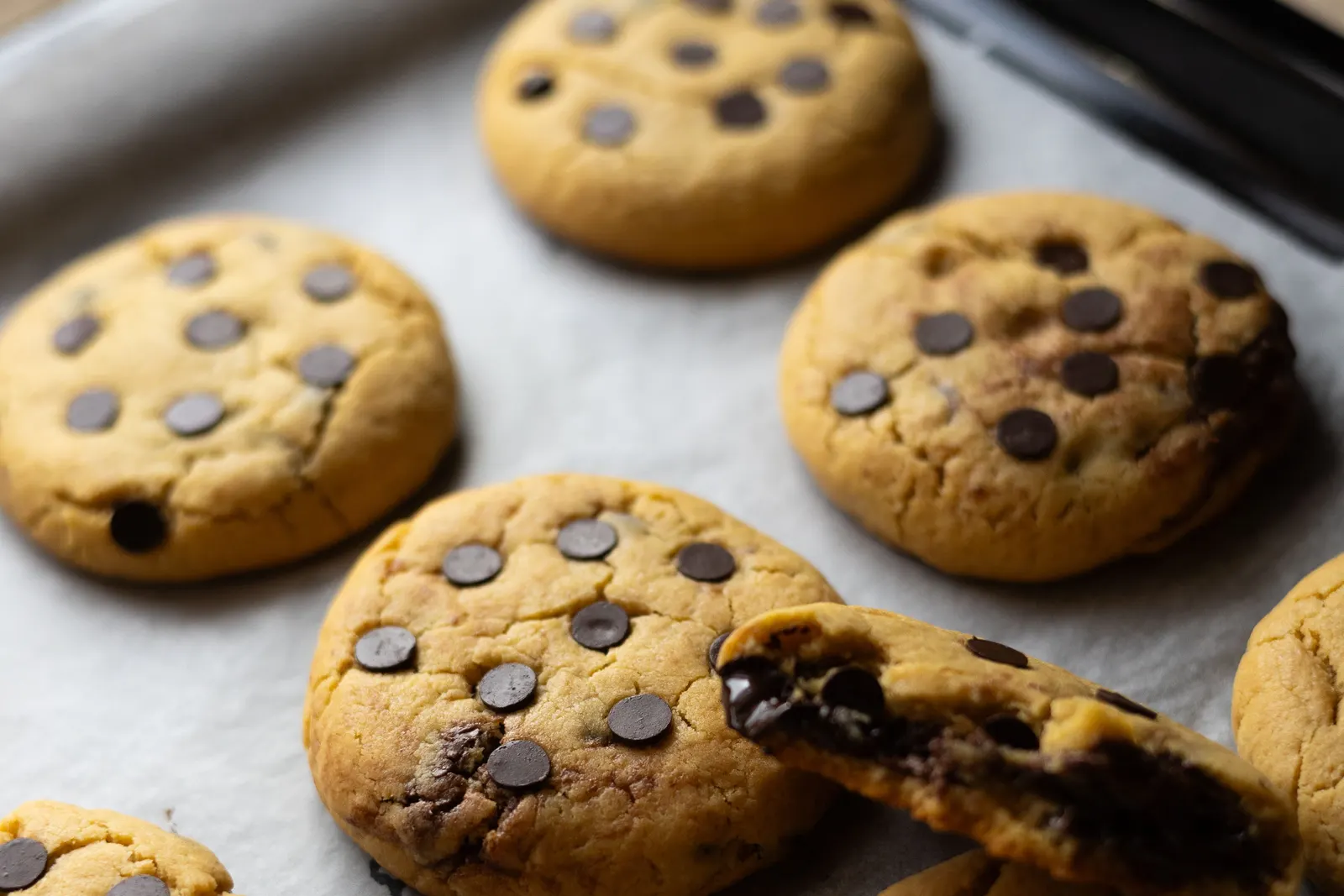
Browning butter is a simple technique with an outsized effect: cooking butter until its milk solids toast adds a nutty, caramel-like depth that plain melted or softened butter doesn't have. It takes about five extra minutes and changes the flavor of an otherwise standard cookie significantly.
How to Brown Butter
Use a light-colored pan if you have one — it makes it much easier to judge the color of the butter as it browns.
- 1. Melt butter in a light-colored saucepan over medium heat, stirring occasionally.
- 2. Once melted, it will foam as the water cooks off — keep stirring or swirling the pan.
- 3. The milk solids will start to sink and turn golden, then amber-brown, releasing a nutty aroma. This takes about 5–8 minutes total from when the butter melts.
- 4. Remove from heat as soon as it reaches a deep amber-brown and smells distinctly nutty — it can go from perfectly browned to burnt within seconds, so watch closely in the final minute.
- 5. Pour into a heatproof bowl immediately to stop the cooking, including scraping in the browned bits at the bottom, which carry most of the flavor.
- 6. Let it cool to room temperature (or chill briefly) before using in a recipe that calls for softened butter, since it needs to firm back up first.
Method
Because browned butter loses some water during cooking, this dough behaves slightly differently than a standard creamed-butter dough — chilling it matters more here, not less.
- 1. Beat the cooled brown butter with the brown sugar and granulated sugar until combined and slightly fluffy.
- 2. Add the egg, egg yolk, and vanilla, beating until smooth.
- 3. Whisk the flour, baking soda, and salt together, then mix into the wet ingredients just until combined.
- 4. Fold in the chocolate chips.
- 5. Chill the dough for at least 30 minutes.
- 6. Scoop onto parchment-lined baking sheets and bake for 10–12 minutes, until the edges are golden and the centers still look slightly underbaked.
- 7. Cool on the baking sheet for 5 minutes before transferring to a wire rack.
Frequently Asked Questions
Browning butter is a small technique with a real, noticeable payoff — a nutty, toasted flavor that plain butter can't produce on its own. The only risk is timing, since it moves quickly from perfectly browned to burnt in the final minute.
Cookies, Brownies & Dessert Bars covers brown butter technique alongside a full range of cookie, brownie, and bar recipes.
See Cookies, Brownies & Dessert BarsRelated Articles
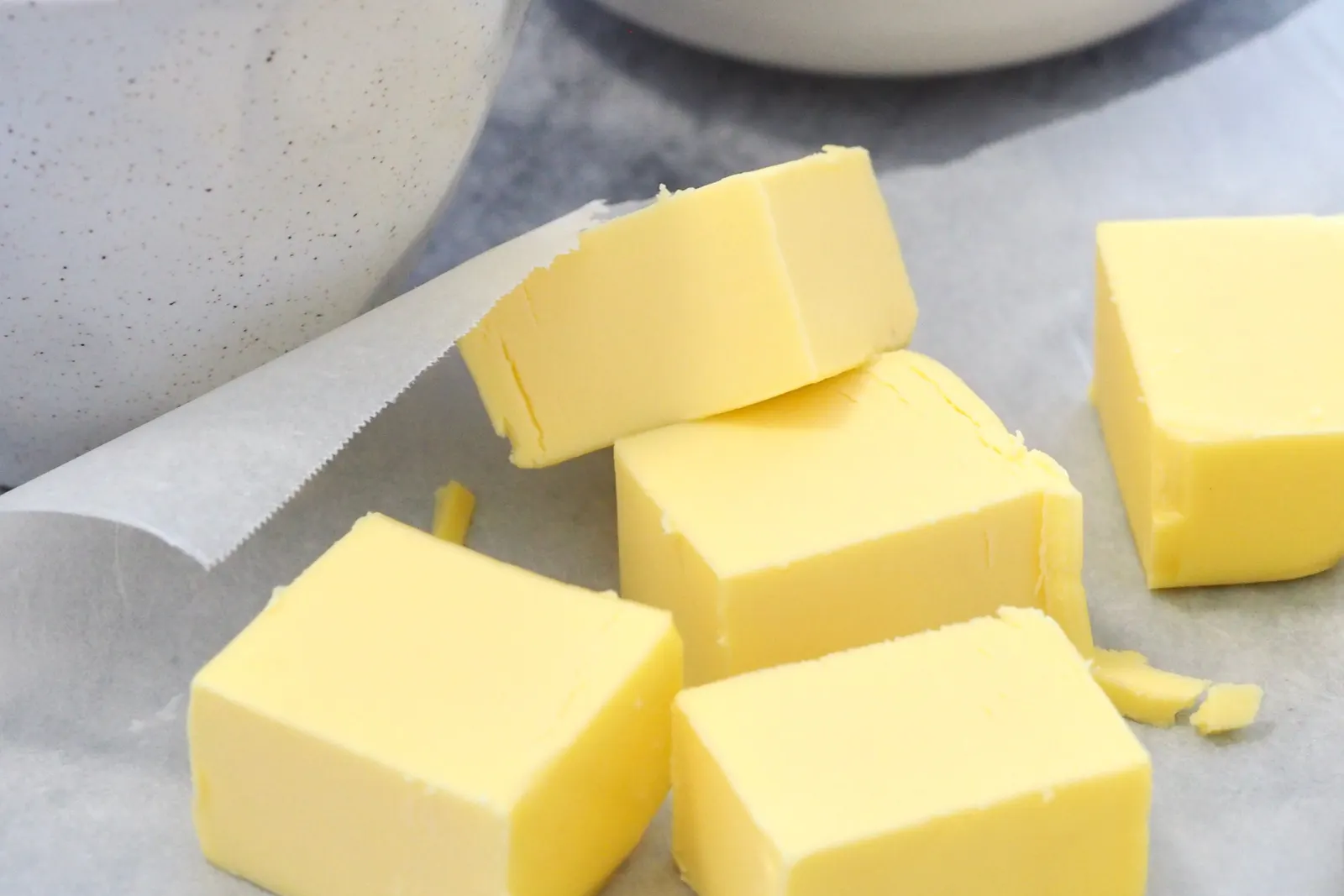
Butter Temperature Guide: Why It Matters More Than You Think
"Softened butter" is more precise than it sounds — too soft or too cold both cause real, specific problems. Here's how to tell when it's actually right.
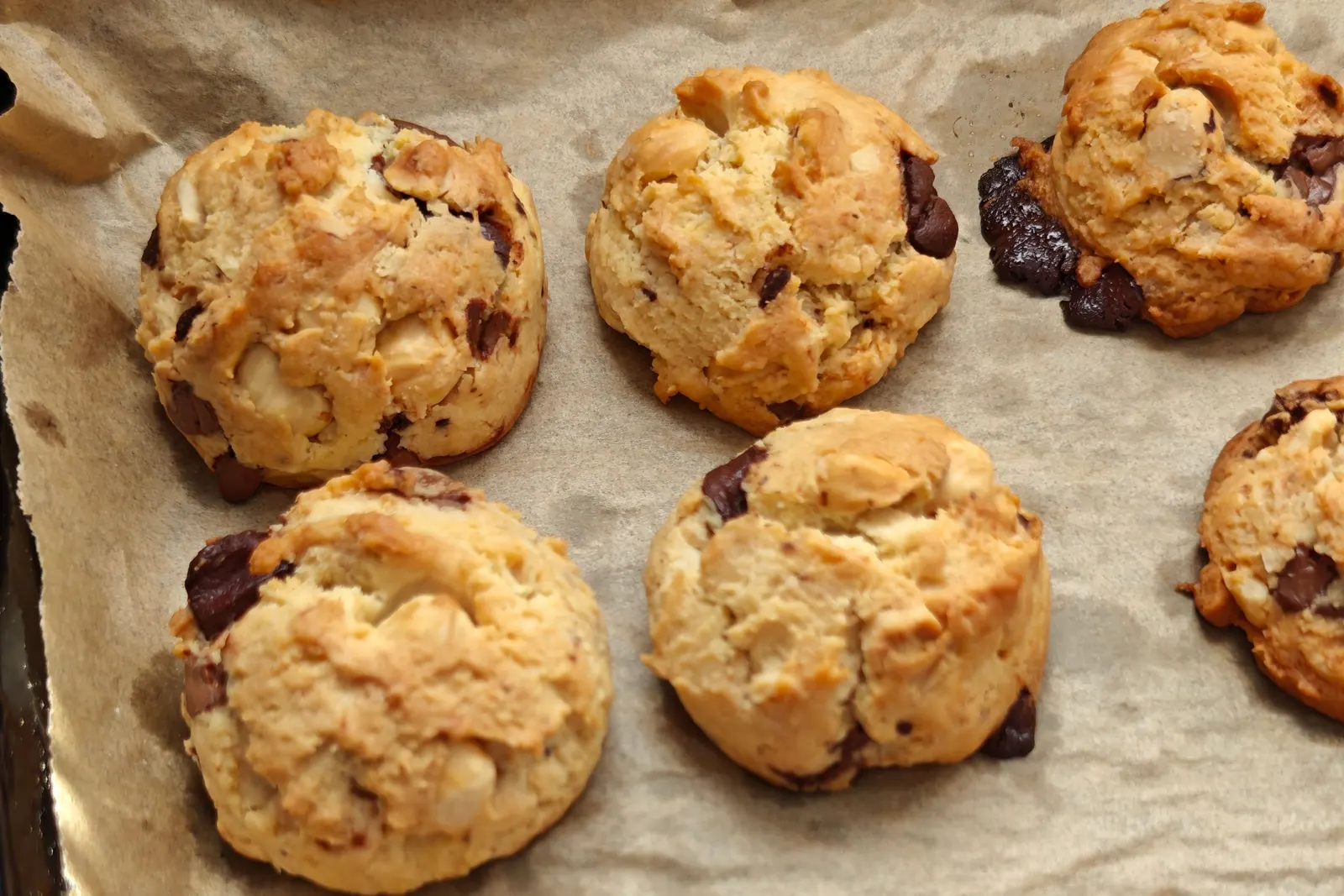
Chewy vs Crispy Cookies: What Actually Changes the Texture
Chewy and crispy cookies aren't just a matter of luck — a handful of specific variables control which one you get. Here's what to change to get the texture you actually prefer.
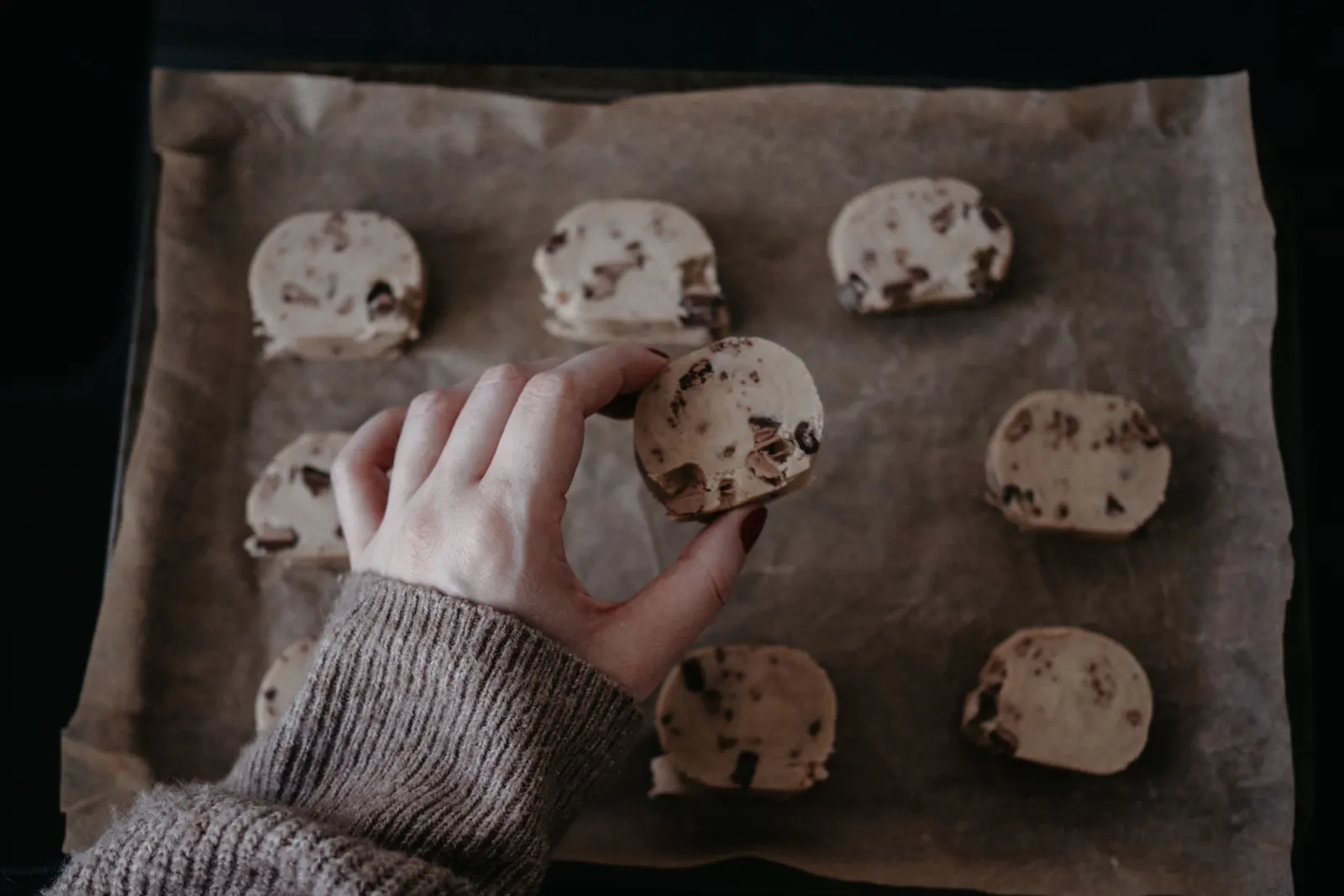
Why Are My Cookies Spreading Too Much? Causes and Fixes
Cookies that spread into thin, flat puddles instead of holding a nice round shape usually trace back to butter temperature, pan heat, or ingredient balance. Here's how to fix it.