Cake Flour vs All-Purpose Flour: When It Actually Matters
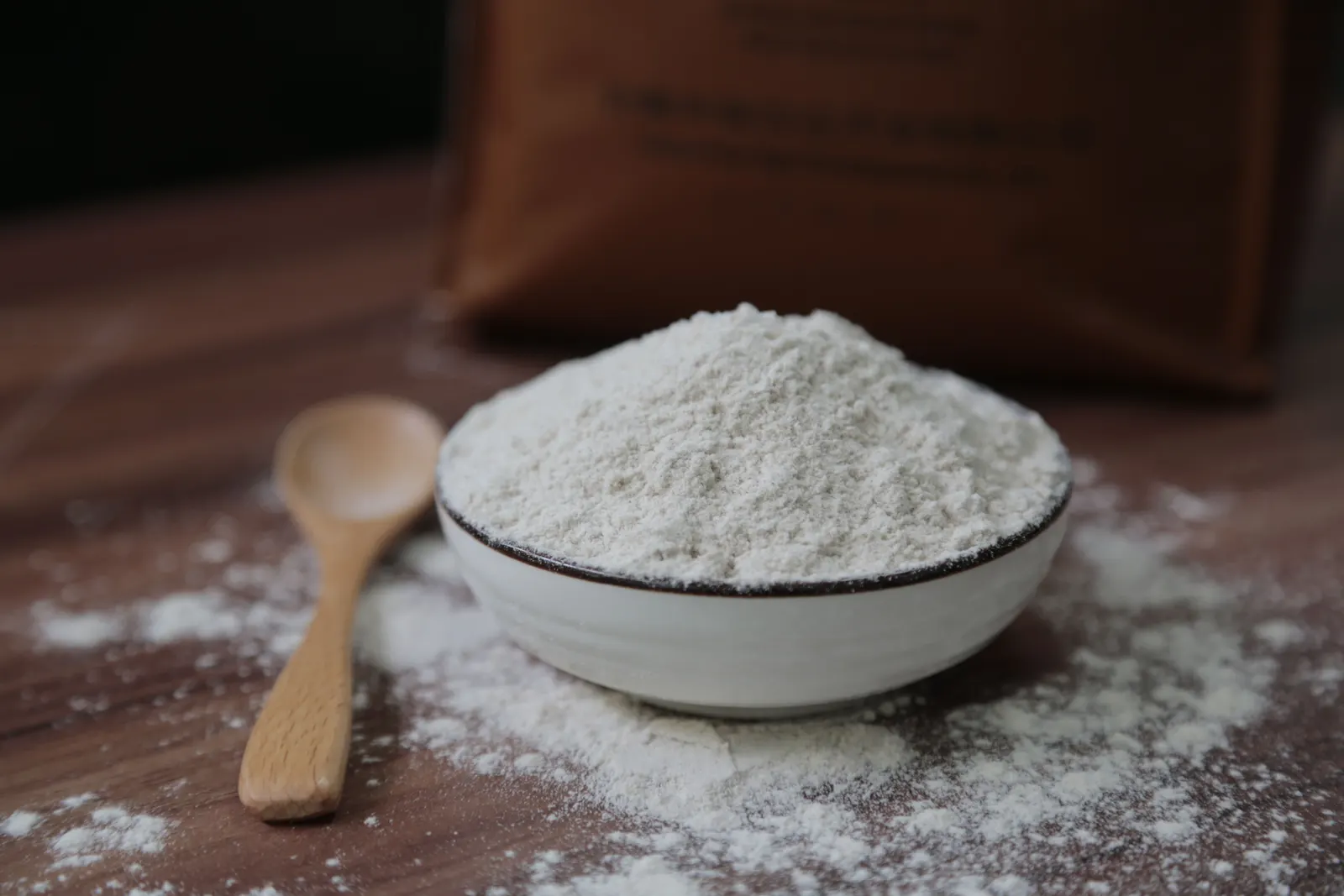
Cake flour and all-purpose flour differ mainly in protein content and how finely they're milled — and that difference shows up specifically in texture, not in whether a recipe works at all.
The Core Difference
All-purpose flour typically has a protein content around 10–13%, milled from a blend of hard and soft wheat. Cake flour runs lower, typically around 5–8% protein, milled from soft wheat and ground extra fine — some brands also add a small amount of cornstarch for extra tenderness.
Protein content matters because it determines how much gluten develops when flour is mixed with liquid. Less protein means less gluten, which means a softer, more tender crumb — exactly what a delicate cake benefits from.
When Cake Flour Genuinely Matters
Delicate, high-ratio cakes — angel food cake, chiffon cake, and some white or yellow layer cakes — benefit noticeably from cake flour's lower protein and finer texture, producing a visibly finer, softer crumb than the same recipe made with all-purpose flour.
When All-Purpose Flour Works Just Fine
Heartier cakes — carrot cake, spice cakes, many chocolate cakes, and most quick breads — don't rely as heavily on an extremely fine, tender crumb, and all-purpose flour performs perfectly well in them. Cookies, brownies, and bars also generally call for all-purpose flour by design, since those recipes want more structure than cake flour would provide.
How to Substitute Between Them
For every 1 cup of cake flour a recipe calls for, use 1 cup of all-purpose flour minus 2 tablespoons, replacing those 2 tablespoons with cornstarch, and sift together at least twice. This gets reasonably close to cake flour's protein content and fine texture, though not identical.
Frequently Asked Questions
Cake flour's benefit is real but specific — it matters most for delicate, high-ratio cakes, and matters far less for cookies, quick breads, or heartier cakes. All-purpose flour is a perfectly good default unless a recipe is specifically built around cake flour's lower protein content.
Cake Baking for Beginners explains flour choice and other core ingredients in plain language across its full set of lessons.
See Cake Baking for BeginnersRelated Articles
Baking Substitutions Guide: Common Ingredient Swaps That Actually Work
Out of buttermilk, baking powder, or brown sugar? Here's what actually works as a substitute, the exact ratio to use, and which swaps change the result enough to notice.
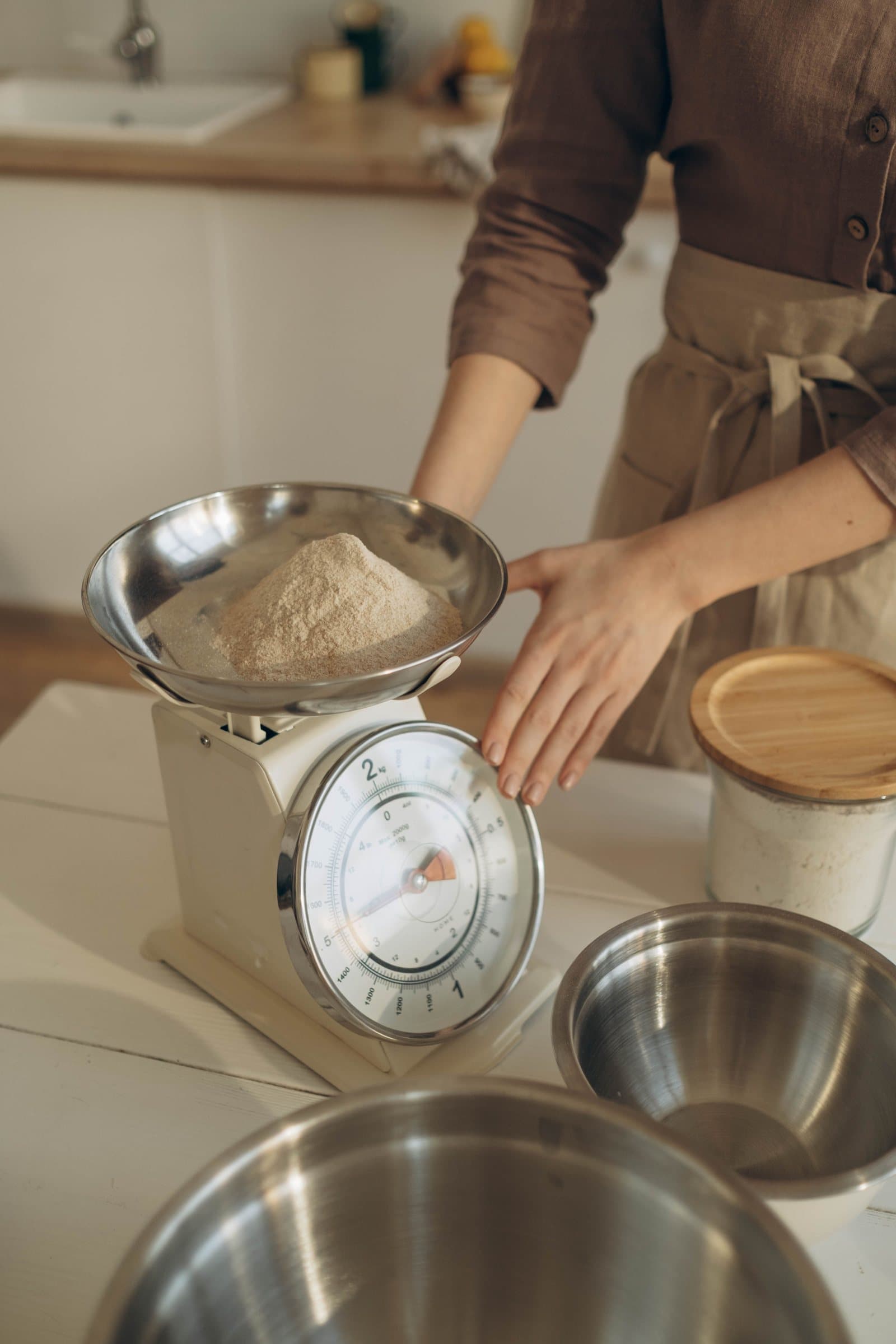
How to Measure Cake Ingredients Accurately: Cups vs. Grams
The same "1 cup of flour" can weigh anywhere from 120g to 150g depending on how it's measured. Here's how to measure accurately with cups, and why grams remove the guesswork entirely.
Baking Powder vs Baking Soda: What's the Difference and When to Use Each
Both make baked goods rise, but they work through different chemistry — and swapping one for the other without adjusting can genuinely change the result.