How to Make Buttercream Frosting: Consistency, Flavor, and Troubleshooting
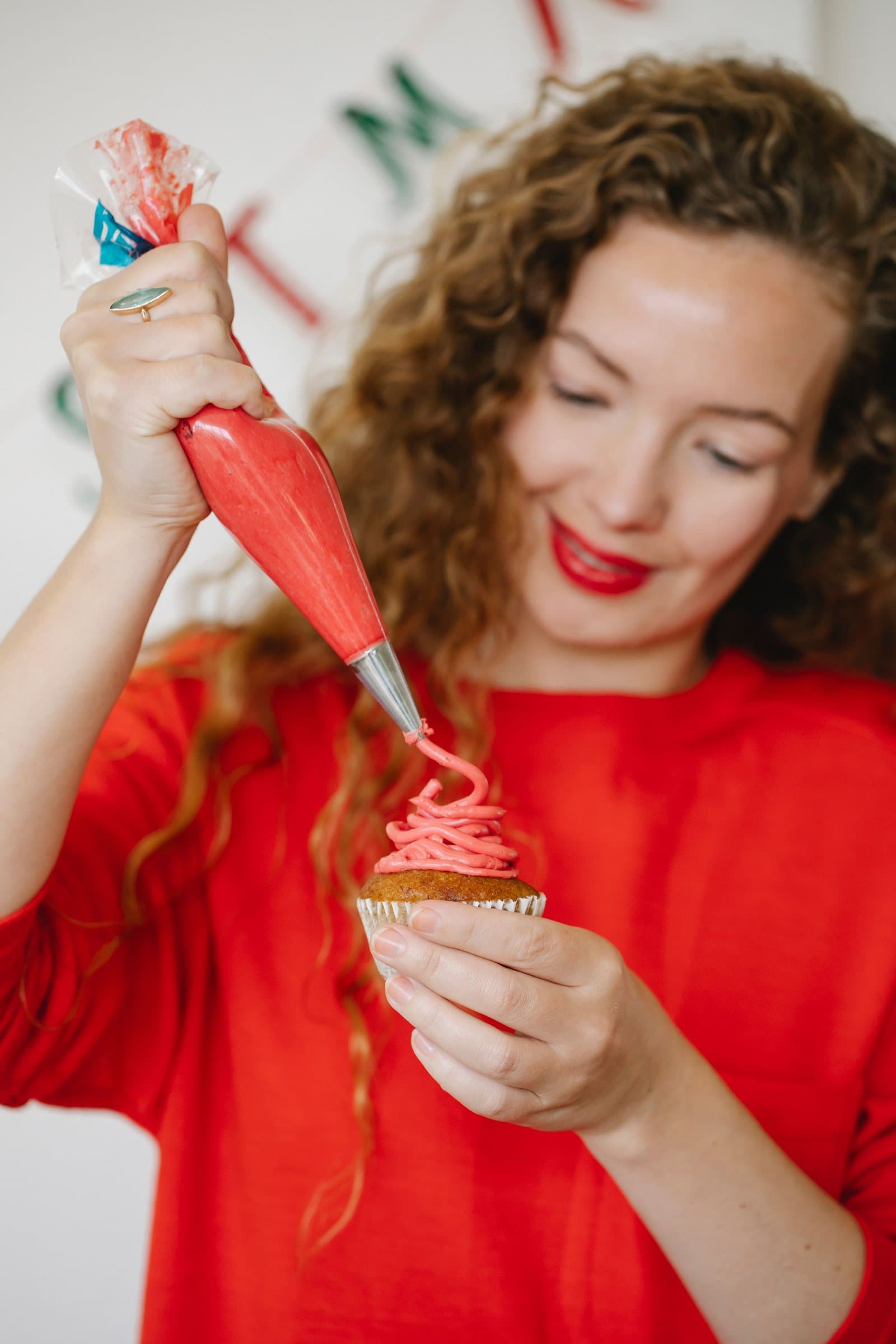
American buttercream — butter, powdered sugar, a little liquid, and flavoring — is the frosting most home bakers reach for first, because it doesn't require a candy thermometer or cooking sugar syrup. The tradeoff is that it's easy to get the consistency wrong in either direction: too stiff to spread, or too soft to hold a piped shape.
This covers the base recipe with exact measurements, how to adjust it for different uses, a few real flavor variations, and the specific fixes for the three most common buttercream problems.
Classic American Buttercream Recipe
Prep time: 15 minutes. Yield: about 3 cups, enough to fill and frost one 9-inch two-layer cake or pipe 12–16 cupcakes generously.
- 1 cup (226g) unsalted butter, softened to room temperature
- 4 cups (480g) powdered sugar, sifted
- 2–3 tbsp (30–45ml) heavy cream or whole milk
- 1 tbsp (15ml) vanilla extract
- 1/4 tsp salt (more if using salted butter — omit added salt entirely in that case)
Method
- 1. Beat the softened butter alone on medium speed for 2 minutes, until smooth and noticeably lighter in color — this step matters as much as what comes after it.
- 2. Add the powdered sugar one cup at a time, beating on low speed until each addition is incorporated before adding the next, to avoid a cloud of sugar.
- 3. Add the vanilla, salt, and 2 tablespoons of the cream or milk, then beat on medium-high for 2–3 minutes until light and fluffy.
- 4. Check the consistency (see below) and add the remaining liquid, a teaspoon at a time, only if needed.
Adjusting Consistency for Spreading vs. Piping
The same base recipe can be thinned or thickened slightly depending on what you're using it for:
- For spreading or a smooth crumb coat: the frosting should hold a soft peak that gently folds over when you lift the beater. If it feels stiff or tears the cake surface, add cream a half-teaspoon at a time.
- For piping stars, rosettes, or borders: slightly firmer than spreading consistency — it should hold a crisp peak without drooping. If it feels too soft to hold a shape, beat in an extra tablespoon or two of powdered sugar.
- For piping delicate flowers: firmer still, closer to the texture of soft modeling clay. Chill the frosting for 10–15 minutes after mixing if it feels too soft even with less liquid.
Flavor Variations
Starting from the same base recipe:
- Chocolate: beat in 1/2 cup (45g) unsweetened cocoa powder with the powdered sugar, and add an extra tablespoon of cream to compensate for the cocoa's dryness.
- Lemon: replace the vanilla with 1 tbsp fresh lemon zest and 2 tbsp fresh lemon juice (reduce the cream by half to balance the added liquid).
- Espresso: dissolve 2 tsp espresso powder in the 2 tbsp of cream before adding it to the butter mixture.
- Cream cheese buttercream: replace half the butter (113g) with full-fat cream cheese, cold, for a tangier, slightly softer frosting — this version should be refrigerated rather than left at room temperature for extended periods.
Troubleshooting
- Grainy texture: usually unsifted or coarse powdered sugar, or butter that was too cold to fully incorporate the sugar. Always sift powdered sugar first, and beat longer before deciding more liquid is needed.
- Soupy or too soft: typically butter that was too warm (melting slightly rather than just softened) or too much liquid added at once. Chill the frosting for 15–20 minutes, then re-beat — this often fixes it without adding more sugar.
- Too stiff to spread without tearing the cake: add cream a half-teaspoon at a time, beating fully between additions, rather than adding it all at once.
- Yellowish or greasy-looking: usually overbeaten at too warm a room temperature, which can cause the butter to start separating. Chill briefly and re-beat on low speed rather than high.
Storage
Buttercream keeps in an airtight container at room temperature for up to 2 days, in the refrigerator for up to 1 week, or in the freezer for up to 3 months. Bring refrigerated or frozen buttercream back to room temperature and re-beat for a minute or two before using — it separates slightly when cold and needs re-whipping to come back together.
Cream cheese buttercream and any version using fresh fruit juice or zest should be refrigerated rather than left at room temperature for extended periods, since dairy-forward frostings are more temperature-sensitive.
Frequently Asked Questions
Good buttercream comes down to a properly creamed butter base and matching the consistency to what you're using it for — thinner for spreading, firmer for piping. If something goes wrong, it's almost always temperature (butter too warm or too cold) rather than a flaw in the recipe itself, and chilling and re-beating solves more problems than adding more sugar does.
The Cake Decorating & Frosting Handbook covers 35 frosting, filling, and decorating preparations in full detail, including buttercream variations and piping technique.
See the Cake Decorating & Frosting HandbookRelated Articles
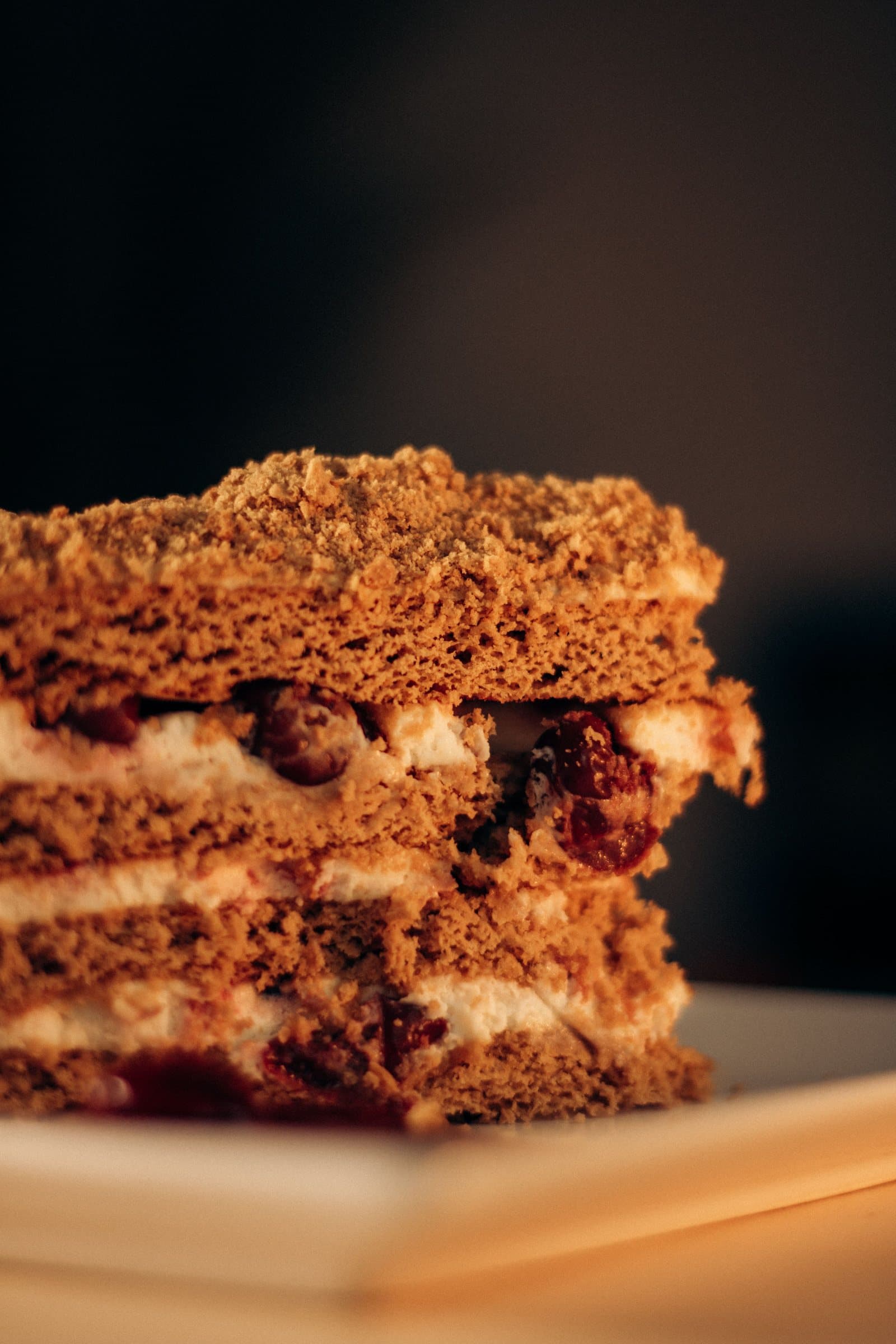
How to Level, Fill, and Stack a Layer Cake for Beginners
Leveling, filling, and stacking are what separate a cake that leans or slides from one that stands straight and cuts clean. Here's the full process, step by step.
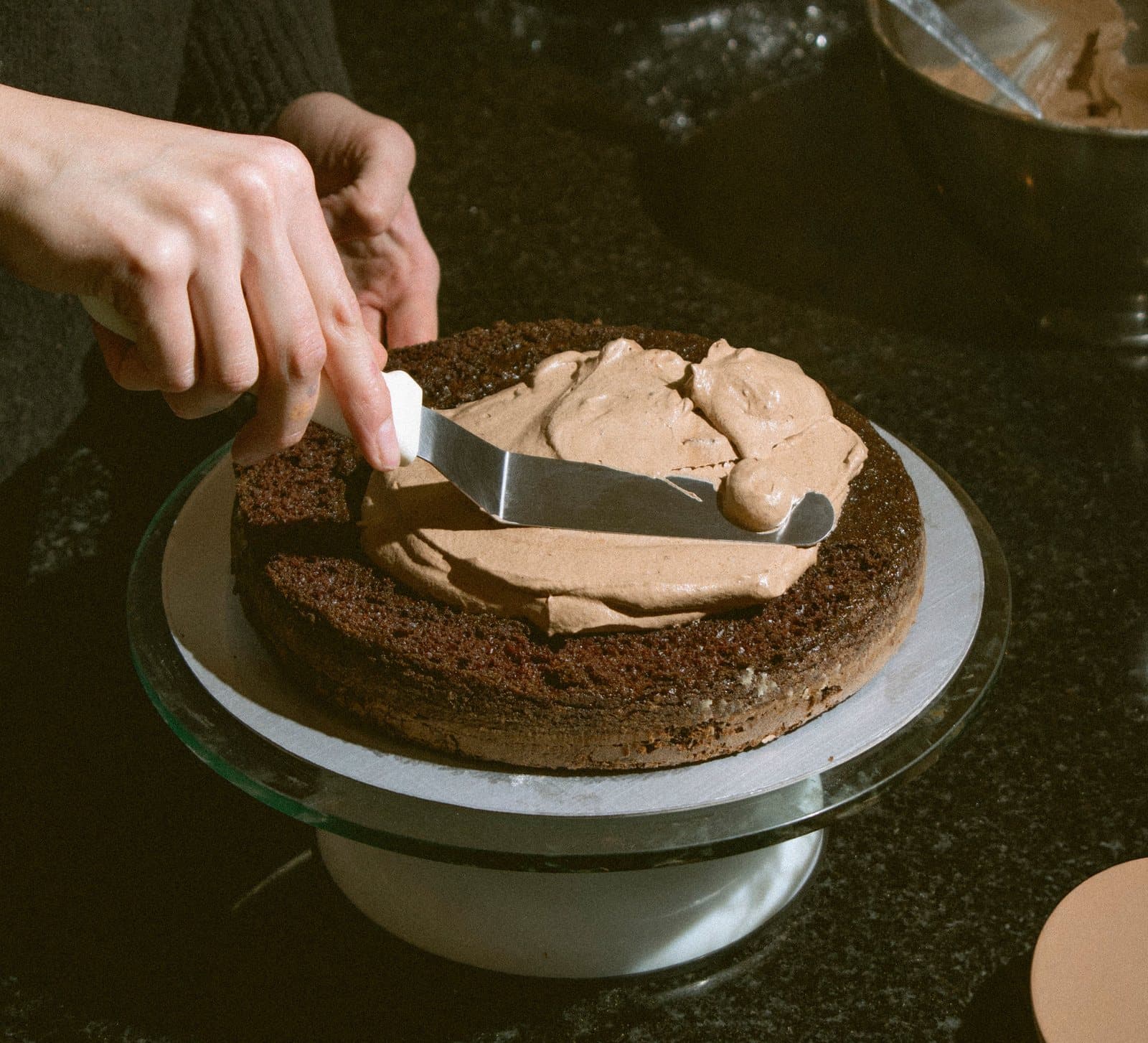
How to Decorate a Cake at Home: 10 Beginner-Friendly Techniques
You don't need a full piping-tip set or professional training to make a homemade cake look finished. Ten realistic techniques, starting with the tools that actually matter.
How to Store, Freeze, and Thaw Cakes Without Losing Quality
Not every cake and frosting stores the same way. Here's how to handle unfrosted layers, buttercream, cream-cheese frosting, and fresh fruit toppings correctly — and how to freeze and thaw without drying the cake out.