How to Store, Freeze, and Thaw Cakes Without Losing Quality
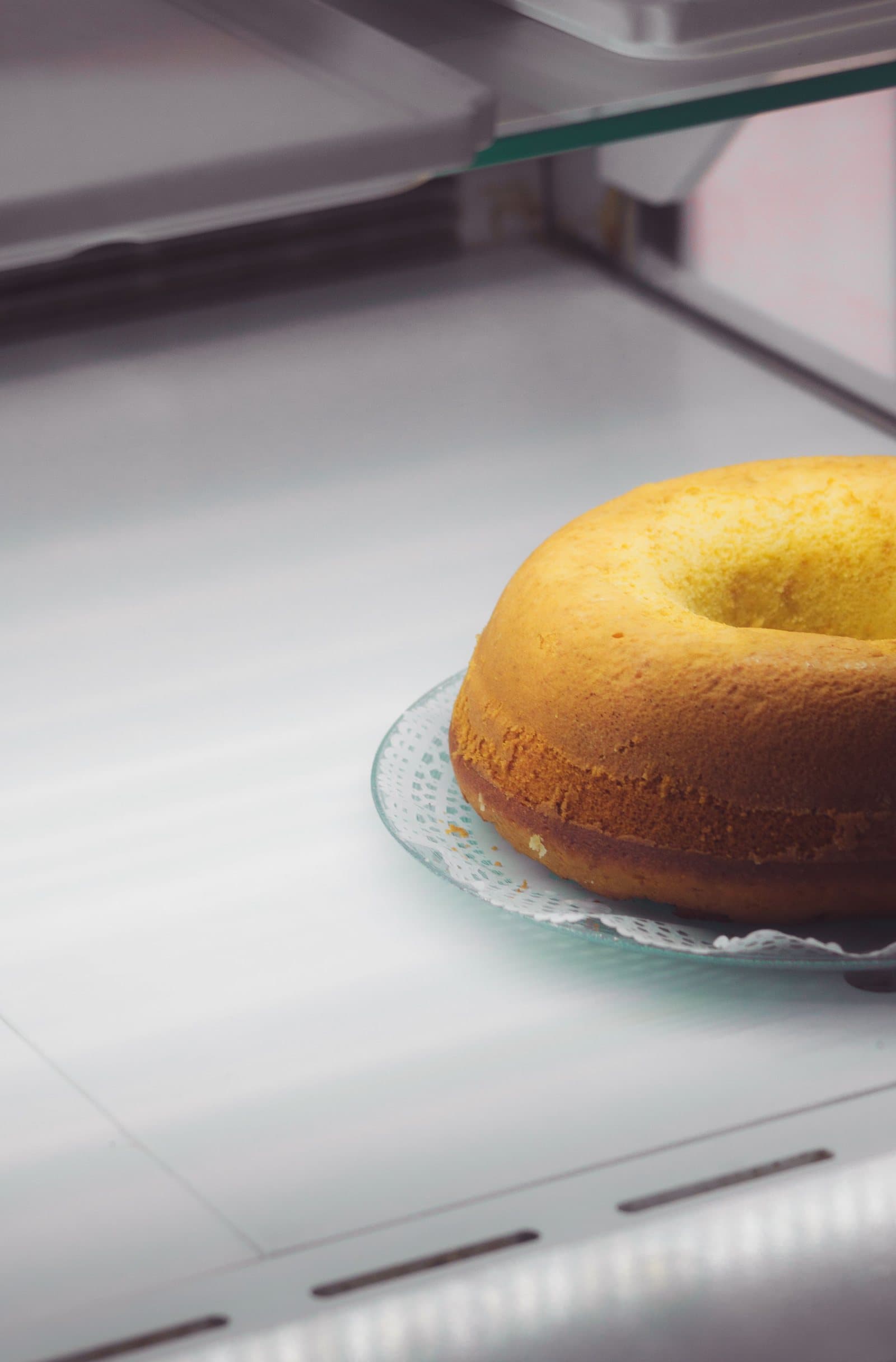
"How long does cake last" doesn't have one answer, because it depends heavily on what's on it. A plain unfrosted sponge, a buttercream-covered layer cake, and a cake finished with cream-cheese frosting and fresh berries all have different safe storage windows and different best methods — treating them all the same is how a cake ends up either dried out or spoiled faster than it needed to.
This breaks storage down by what's actually on the cake, plus how to freeze and thaw layers properly so make-ahead baking doesn't cost you texture.
Unfrosted Cake Layers
Plain, unfrosted cake layers are the most forgiving and the best candidates for baking ahead. Wrapped tightly in plastic wrap while still slightly warm (this traps a small amount of moisture rather than letting it escape), they keep at room temperature for 2 days, in the refrigerator for about a week, or in the freezer for up to 2 months with minimal quality loss.
Buttercream-Frosted Cakes
A cake frosted with standard American buttercream (butter, powdered sugar, flavoring) can sit at cool room temperature, covered with a cake dome or loosely tented with foil, for up to 2 days without food-safety concerns, since the sugar content and low moisture make it relatively stable. For longer storage, refrigerate for up to 5 days.
Bring a refrigerated buttercream cake out 30–45 minutes before serving — cold butter frosting tastes dull and firm, and softens back to its proper texture at room temperature.
Cream Cheese Frosting and Other Dairy-Heavy Frostings
Cream cheese frosting, whipped cream frosting, and any filling containing fresh dairy should not be left at room temperature for more than about 2 hours. The FDA's general food-safety guidance recommends refrigerating perishable foods within 2 hours (or 1 hour above 90°F/32°C), and cream-cheese-based frostings fall into that category, unlike sugar-dense buttercream. Store these cakes in the refrigerator and bring to room temperature only briefly before serving.
Fresh Fruit Toppings
Fresh fruit releases moisture over time, which can make the cake surface beneath it soggy and causes the fruit itself to look tired within a day. Add fresh fruit toppings as close to serving as practical rather than the night before, and always refrigerate a cake topped with fresh fruit, regardless of the frosting underneath.
How to Freeze a Cake Properly
Unfrosted layers freeze better than frosted ones, since they wrap more tightly without smudging. Wrap each cooled layer tightly in plastic wrap, then in a layer of aluminum foil, and freeze for up to 2 months. A fully frosted cake can also be frozen — freeze it uncovered for about an hour first so the frosting firms up, then wrap it loosely in plastic without pressing the wrap against the frosting, which can smudge the surface once thawed.
How to Thaw Without Drying the Cake Out
Thaw a wrapped, frozen cake layer or frosted cake in the refrigerator overnight, still wrapped — this slows the temperature change enough to avoid condensation forming on the surface, which is what often makes a thawed cake feel wet or soggy. Once fully thawed and still wrapped, let it come the rest of the way to room temperature on the counter before unwrapping, filling, or serving.
Avoid thawing cake at room temperature straight out of the freezer unwrapped — the surface warms faster than the center, and condensation collects directly on the frosting or exposed crumb.
Frequently Asked Questions
Treat the frosting, not just the cake, as the thing that determines storage — buttercream is forgiving at room temperature, cream cheese and fresh fruit are not. Wrap tightly, freeze layers before frosting whenever that's an option, and thaw slowly while still wrapped to avoid the sogginess that usually gets blamed on "cake that doesn't freeze well."
Sources
General wellness information, not medical advice. Talk with a qualified healthcare professional about your own situation.
Celebration Cakes for Every Occasion includes a full lesson on storage timelines and make-ahead planning for buttercream, ganache, and fresh-fruit-finished cakes.
See Celebration Cakes for Every OccasionRelated Articles
How to Make Buttercream Frosting: Consistency, Flavor, and Troubleshooting
A full buttercream recipe with exact measurements, how to adjust it for spreading versus piping, real flavor variations, and what to do if it turns out grainy, soupy, or too stiff.
How to Level, Fill, and Stack a Layer Cake for Beginners
Leveling, filling, and stacking are what separate a cake that leans or slides from one that stands straight and cuts clean. Here's the full process, step by step.
How to Make Bakery-Style Cupcakes with Soft, Even Crumbs
The difference between a home cupcake and a bakery one usually comes down to even portioning and not overbaking. Here's a complete recipe plus the specific techniques that close that gap.