Stand Mixer vs Hand Mixer: Which Do You Actually Need?
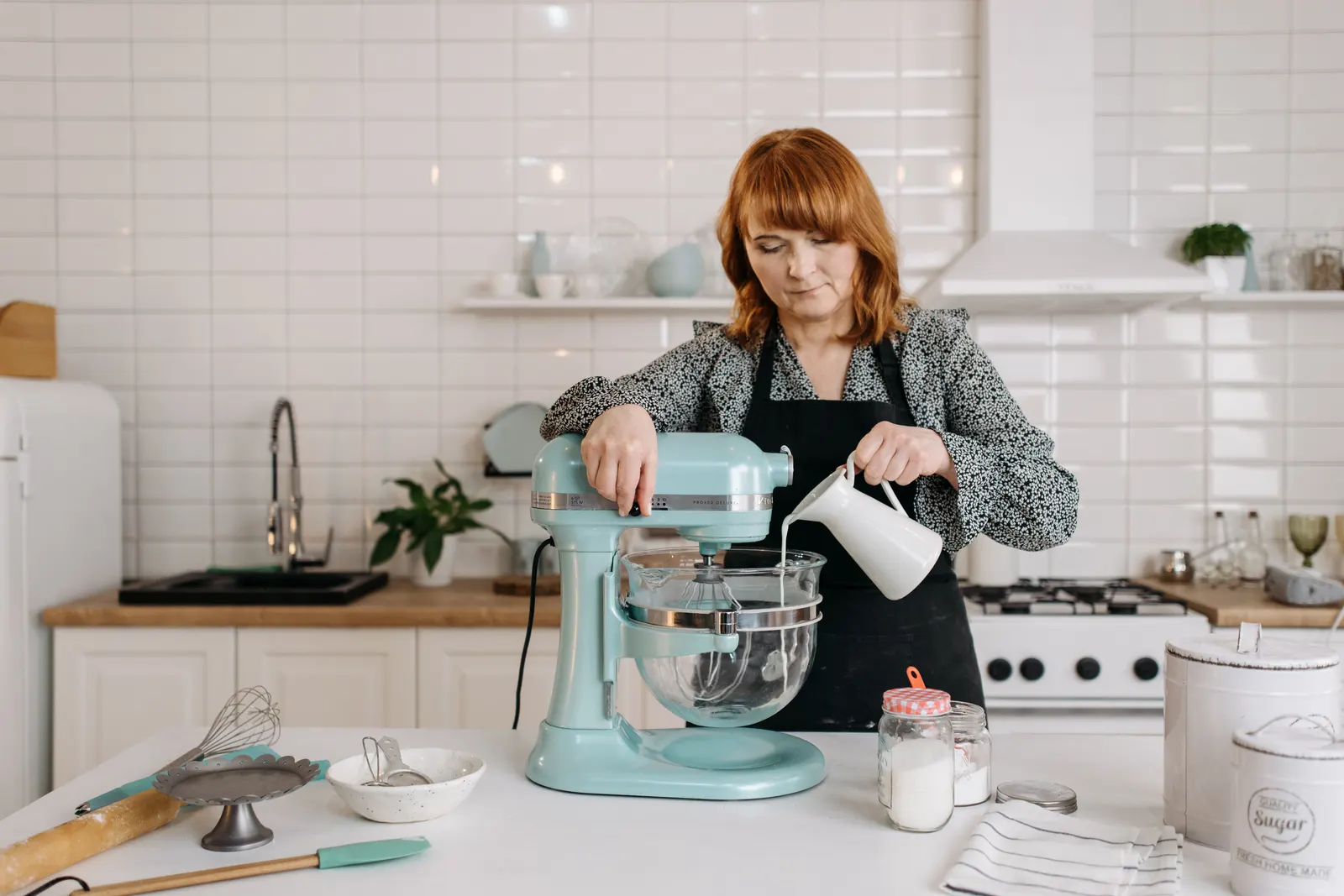
Both stand mixers and hand mixers can cream butter, whip cream, and beat eggs — the real differences are about convenience, capacity, and what else they can do, not raw capability for everyday recipes.
What a Hand Mixer Does Well
A hand mixer handles the vast majority of home baking tasks: creaming butter and sugar, whipping cream, beating eggs, and mixing most cake and cookie batters. It's more affordable, takes up far less storage space, and is easier to clean. The trade-off is that you're holding it the entire time, and it can struggle with very stiff doughs like bread dough.
What a Stand Mixer Does Well
A stand mixer frees your hands entirely while it works, handles larger batches more easily, and has enough power to knead bread dough — something most hand mixers aren't built for. Many stand mixers also accept attachments (pasta rollers, meat grinders, and similar) that extend what the machine can do well beyond baking.
When a Hand Mixer Is the Better Choice
If you bake occasionally, have limited counter or storage space, or are just starting out and don't want to commit to a larger investment, a hand mixer covers nearly everything you'll need for cakes, cookies, cupcakes, and most frostings.
When a Stand Mixer Is Worth It
If you bake frequently, make bread or other yeasted doughs regularly, often double recipes, or want the hands-free convenience for long creaming or whipping times, a stand mixer earns back its higher cost and larger footprint.
Frequently Asked Questions
Neither mixer is objectively better — a hand mixer suits occasional, lighter baking well, while a stand mixer earns its cost through frequency, capacity, and bread-dough capability. Choose based on how you actually bake, not which one sounds more serious.
Cake Baking for Beginners is written to work with either a hand mixer or a stand mixer, with no assumption that you have one over the other.
See Cake Baking for BeginnersRelated Articles
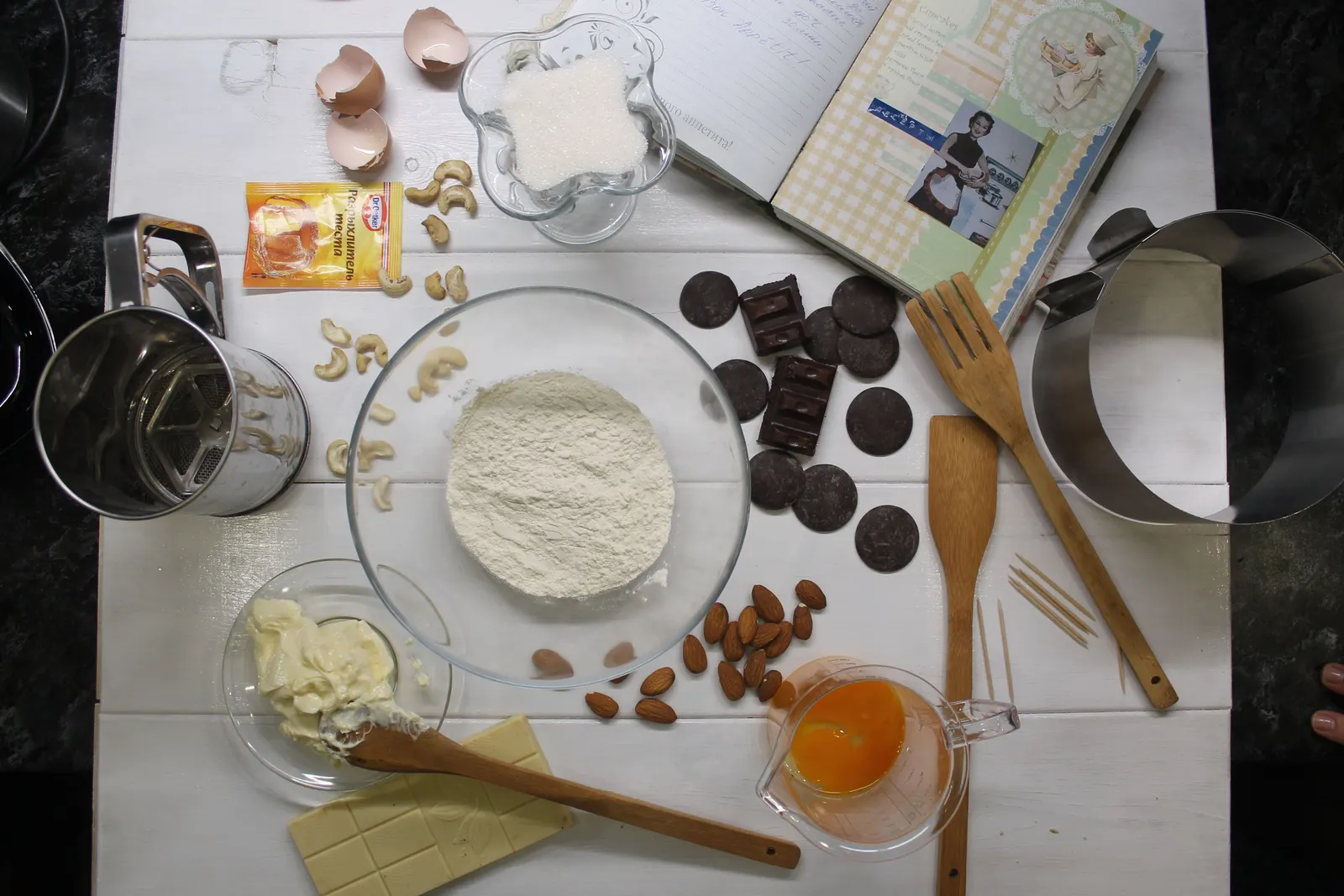
Essential Baking Tools for Beginners: What You Actually Need
You don't need a fully stocked bakery to start. Here's what actually matters for consistent results, why each tool earns its place, and what you can skip for now.
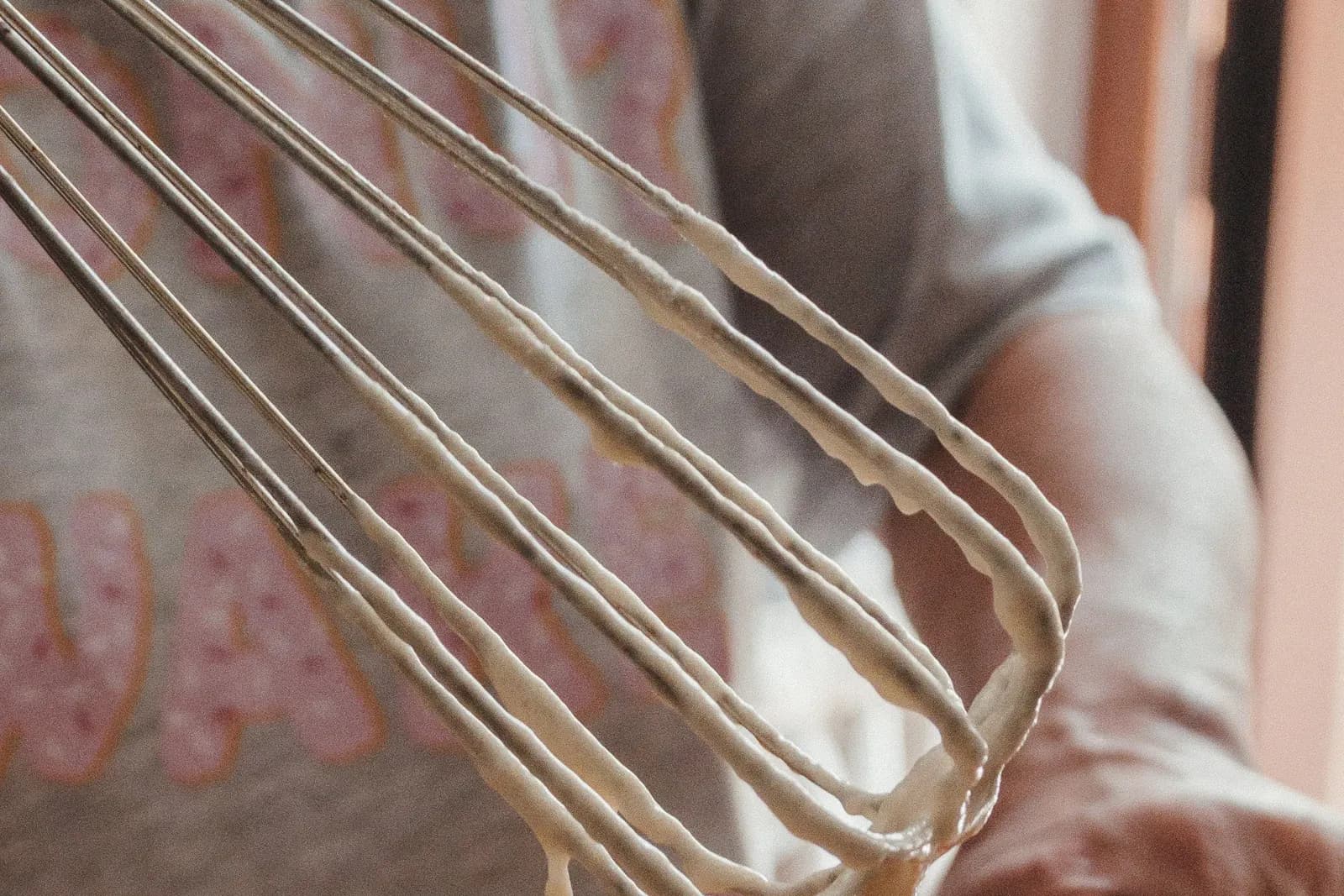
How to Fix Overmixed Batter (and How to Avoid It Next Time)
Overmixing develops too much gluten, leading to a dense, tough result. Here's how to recognize it, what (if anything) you can do about it, and how to avoid it going forward.
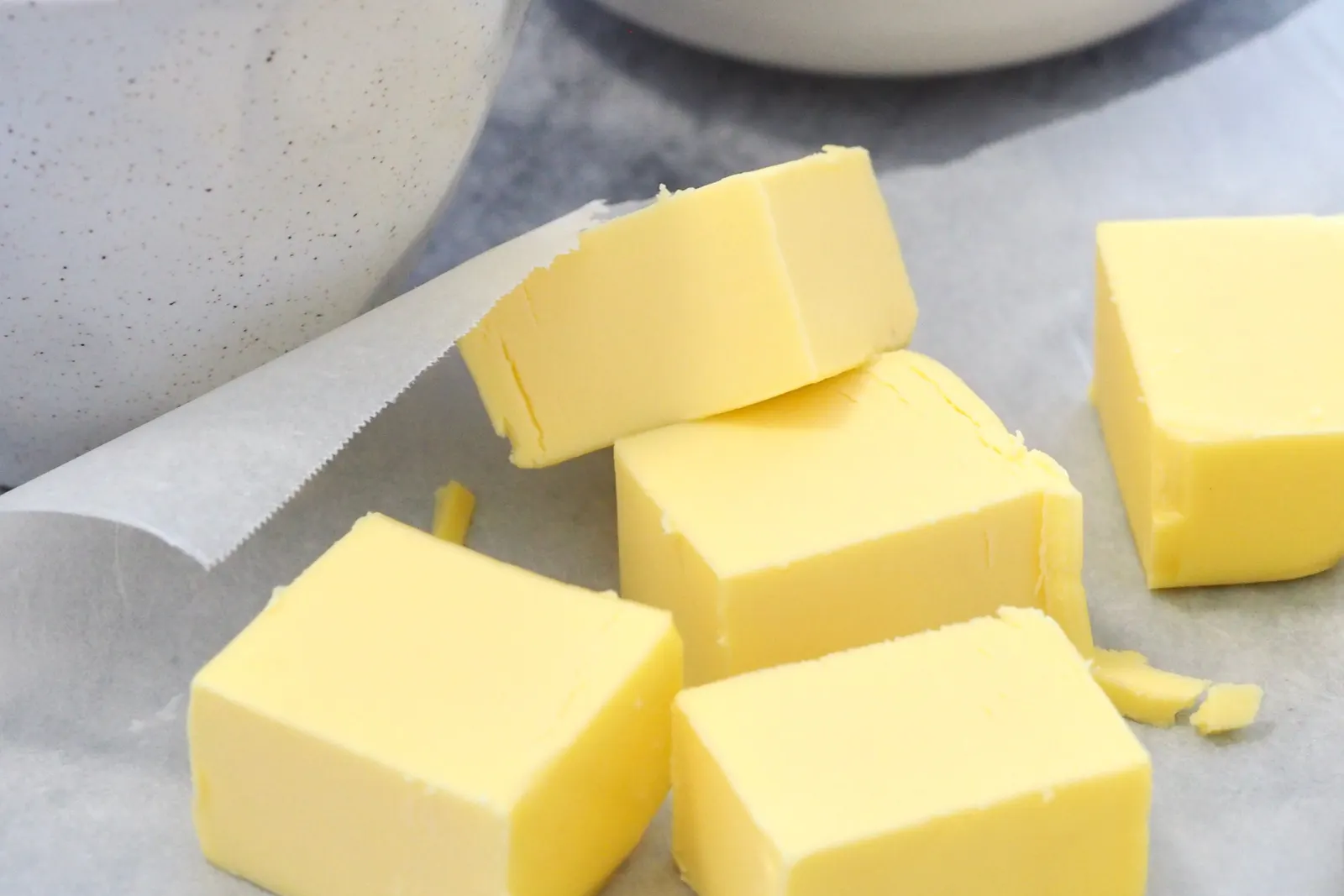
Butter Temperature Guide: Why It Matters More Than You Think
"Softened butter" is more precise than it sounds — too soft or too cold both cause real, specific problems. Here's how to tell when it's actually right.