Blind Baking a Pie Crust: Step-by-Step Guide
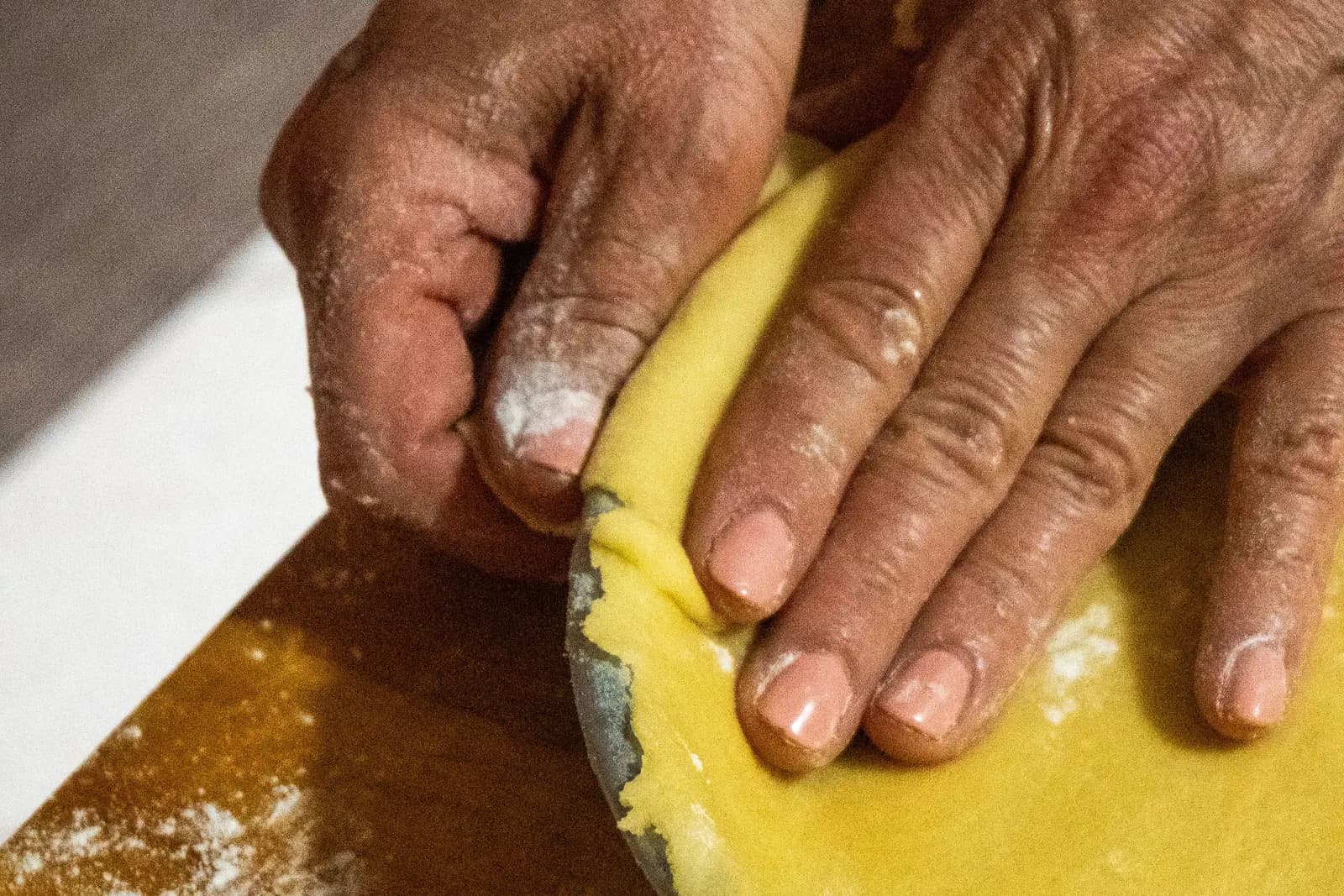
Blind baking means baking a pie or tart crust by itself, before any filling goes in. It's used for custard pies, cream pies, and any filling that needs little or no additional baking time, since it gives the crust a chance to fully set and brown without waiting on a liquid filling to catch up.
What You'll Need
A rolled-out, chilled pie crust in its pan, parchment paper or foil, and pie weights — dried beans, rice, or dedicated ceramic pie weights all work the same way.
Step-by-Step Method
A chilled crust holds its shape far better than one that's been sitting at room temperature, so don't skip the chilling step even if you're in a hurry.
- 1. Roll out the dough, fit it into the pie pan, and crimp the edges as desired.
- 2. Chill the shaped crust in the refrigerator for at least 30 minutes, or in the freezer for 15 minutes — this firms the fat back up and helps the crust hold its shape in the oven.
- 3. Heat the oven to 375°F/190°C.
- 4. Line the chilled crust with a sheet of parchment paper or foil, pressing it into the corners and up the sides.
- 5. Fill with pie weights, dried beans, or rice, spreading them evenly to the edges so the sides are weighted down as well as the bottom.
- 6. Bake for 15–20 minutes, until the edges just start to turn golden.
- 7. Carefully lift out the parchment and weights.
- 8. For a fully baked (not partially baked) crust, return it to the oven uncovered for another 8–12 minutes, until the bottom is golden and no longer looks wet or translucent.
Troubleshooting
Common issues and fixes:
- Crust puffs up despite weights: the dough may not have been docked (poked with a fork) before baking — small fork holes let trapped steam escape through the dough itself.
- Edges shrink or slide down: the dough likely wasn't chilled long enough, or was stretched too thin while fitting it into the pan rather than gently eased in.
- Bottom still looks pale and raw after the full bake: the oven may be running cool — check with an oven thermometer and extend the bake time as needed.
Frequently Asked Questions
Blind baking solves a specific problem — a crust that needs to set and brown before its filling does — and the technique itself is straightforward once you understand why each step (chilling, weighting, docking) matters.
Pies, Tarts & Fruit Desserts covers blind baking alongside full pie and tart crust recipes and troubleshooting.
See Pies, Tarts & Fruit DessertsRelated Articles
Why Is My Pie Crust Soggy? Causes and How to Prevent It
A soggy pie bottom is one of the most common pie complaints, and almost always traceable to filling moisture, oven position, or a skipped prevention step.

Classic Pumpkin Pie: Recipe and Troubleshooting for Thanksgiving
A classic spiced pumpkin pie custard in a flaky crust, with exact measurements and the fixes for the problems that most often show up around the holidays.
Lattice Pie Crust: Step-by-Step Guide for Beginners
A woven lattice top looks advanced, but it's really just strips of dough laid in a simple over-under pattern. Here's the full technique.