Why Is My Pie Crust Soggy? Causes and How to Prevent It
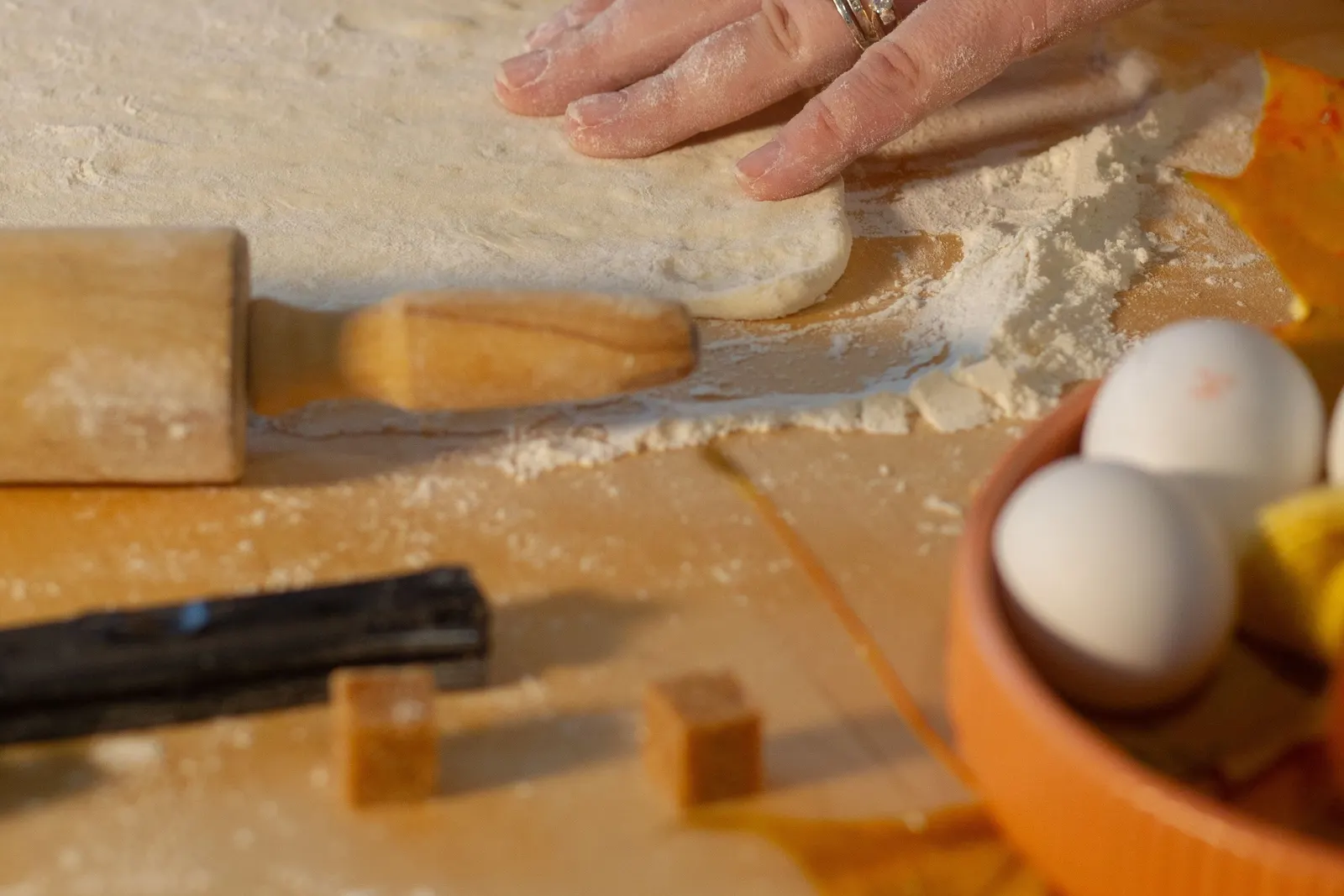
A soggy bottom crust is disappointing after all the work of rolling and filling a pie, but the causes are well understood and mostly preventable with a few specific steps.
Cause 1: Wet Filling
Fruit releases a significant amount of liquid as it cooks, and that liquid soaks straight into an unprotected bottom crust. This is the single most common cause for fruit pies specifically. Draining excess liquid from very juicy fruit (like thawed frozen berries) before filling, and using enough thickener (flour, cornstarch, or tapioca) in the filling, both reduce the amount of liquid working against the crust.
Cause 2: Skipping a Protective Barrier
Brushing the rolled-out bottom crust with egg white before adding the filling creates a thin seal that helps block moisture from soaking straight through. For custard-based pies, this isn't as useful; for fruit pies, it's a simple, effective extra step.
Cause 3: Skipping Par-Baking (Blind Baking)
Par-baking the crust partway (or fully) before adding a wet filling gives the crust a head start on setting and browning before liquid has a chance to soak in. This matters most for pies with a filling that doesn't need much additional baking time, like a custard pie poured into a crust. See how to blind bake a pie crust for the full method.
Cause 4: Oven Rack Position
Baking on a lower oven rack puts the pie closer to the bottom heat source, which helps the crust set and brown before the filling has fully heated through and released its moisture. A pie baked too high in the oven gets more heat on top and less underneath, tipping the balance toward a soggier bottom.
Cause 5: A Pan That Doesn't Conduct Heat Well
Dark metal pie pans absorb and transfer heat more effectively than glass or light-colored ceramic, helping the bottom crust cook through more thoroughly. If sogginess is a recurring issue regardless of other fixes, the pan itself may be part of the problem.
Frequently Asked Questions
A soggy pie bottom comes down to moisture management and heat positioning — drain and thicken wet fillings properly, consider a protective seal or par-bake, and give the bottom crust direct access to the oven's heat.
Pies, Tarts & Fruit Desserts includes full pie crust technique, with troubleshooting for sogginess, shrinkage, and more.
See Pies, Tarts & Fruit DessertsRelated Articles
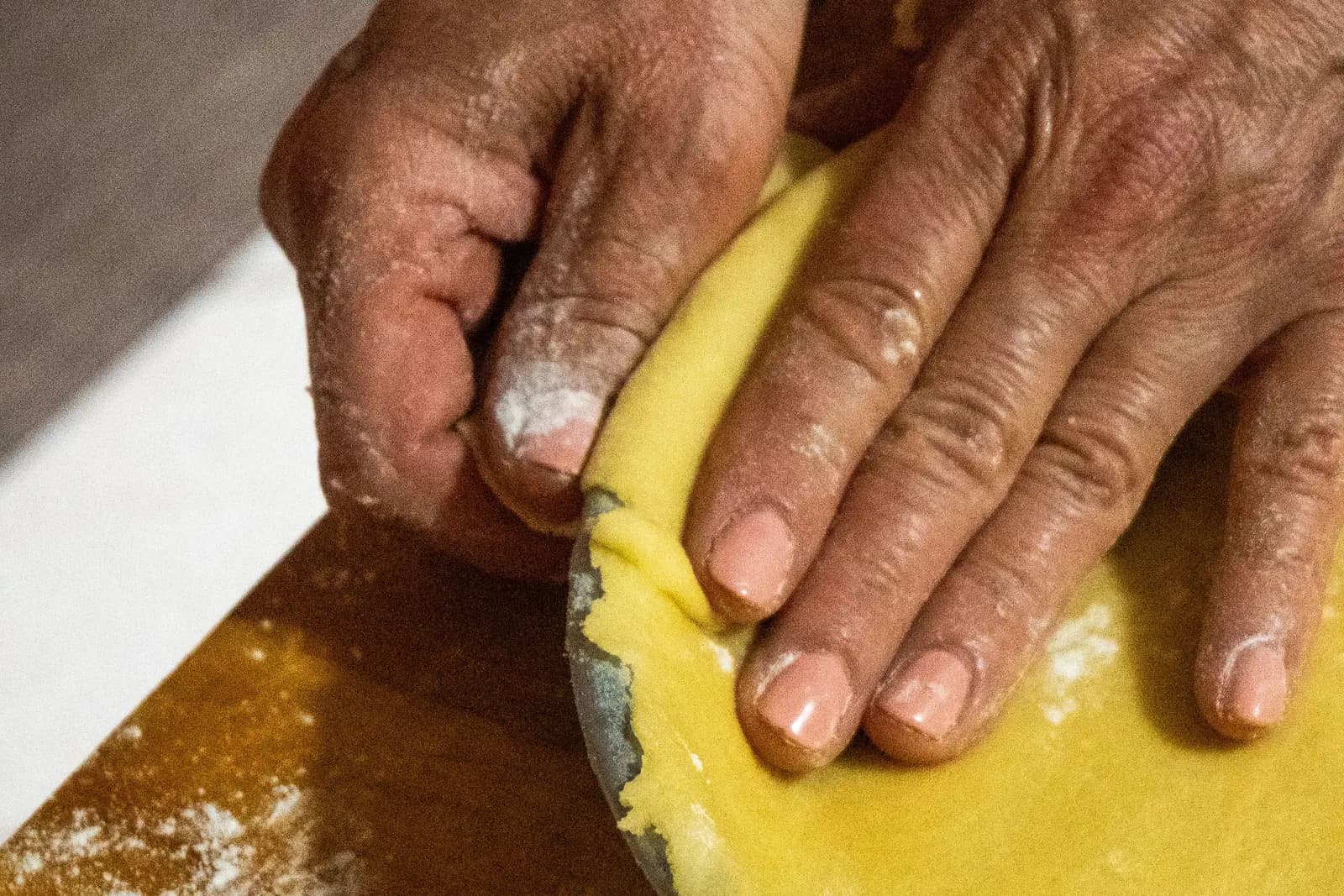
Blind Baking a Pie Crust: Step-by-Step Guide
Blind baking — baking a pie crust on its own before filling it — is one of the most effective ways to prevent a soggy bottom. Here's the full method.
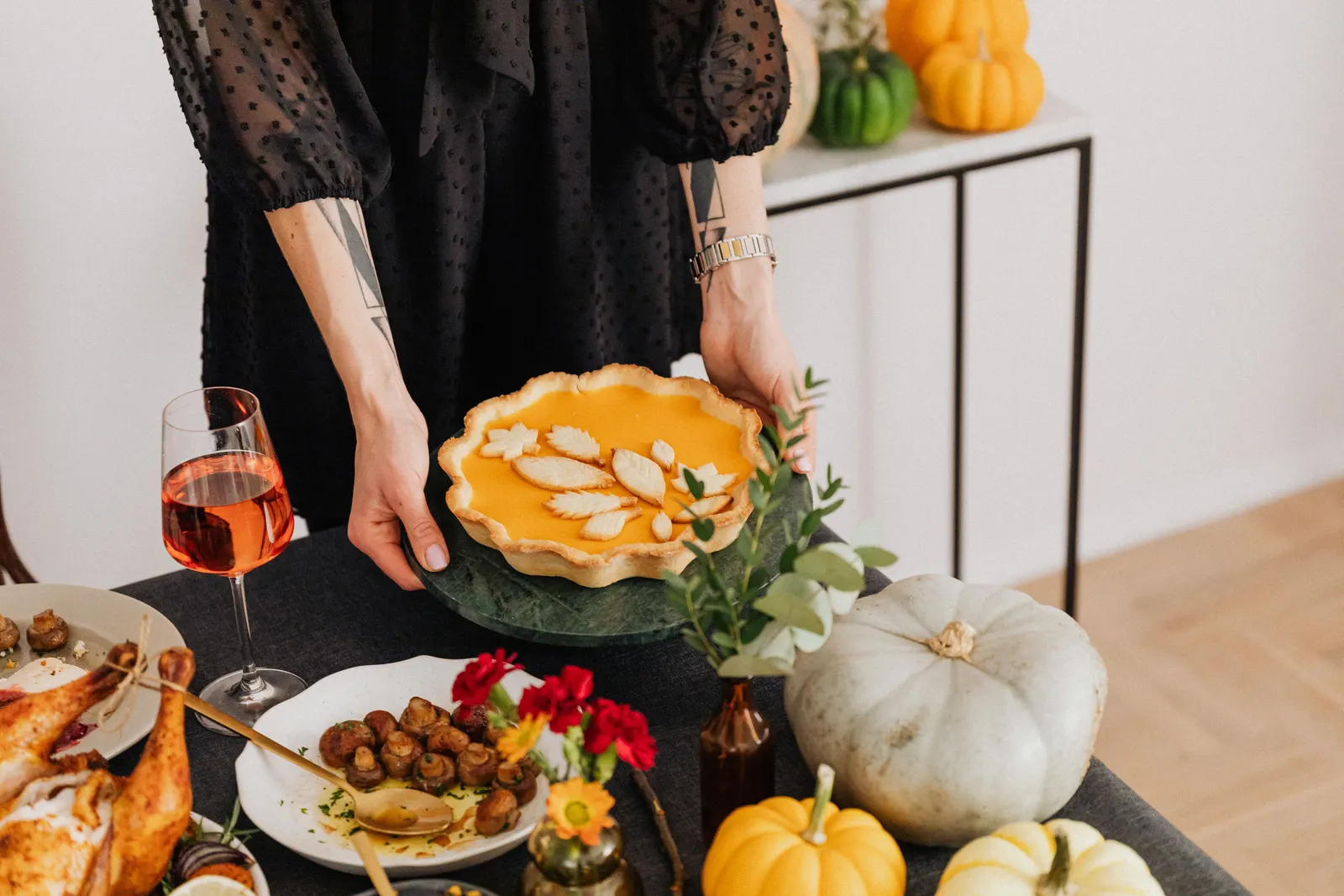
Classic Pumpkin Pie: Recipe and Troubleshooting for Thanksgiving
A classic spiced pumpkin pie custard in a flaky crust, with exact measurements and the fixes for the problems that most often show up around the holidays.
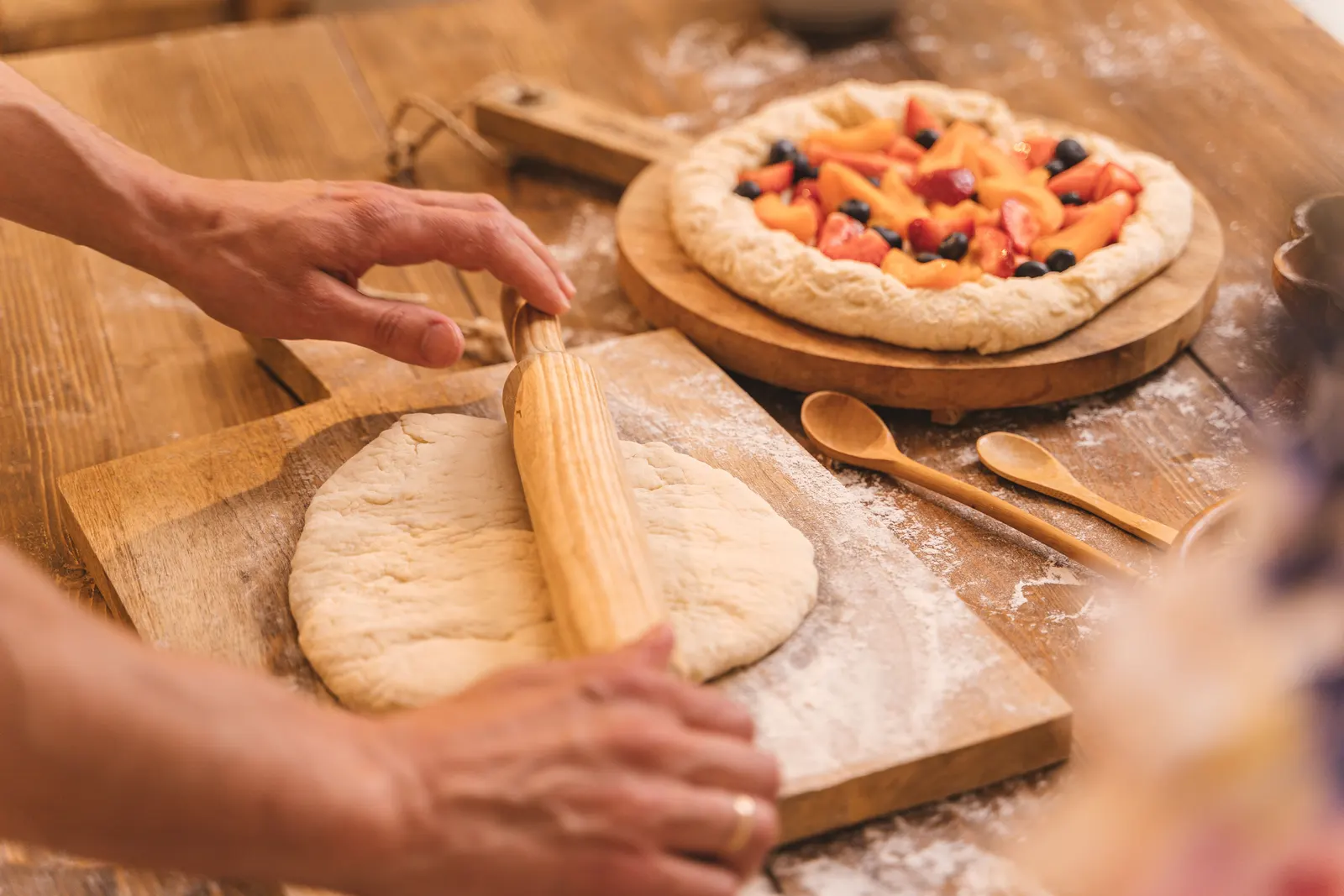
Lattice Pie Crust: Step-by-Step Guide for Beginners
A woven lattice top looks advanced, but it's really just strips of dough laid in a simple over-under pattern. Here's the full technique.