Lattice Pie Crust: Step-by-Step Guide for Beginners
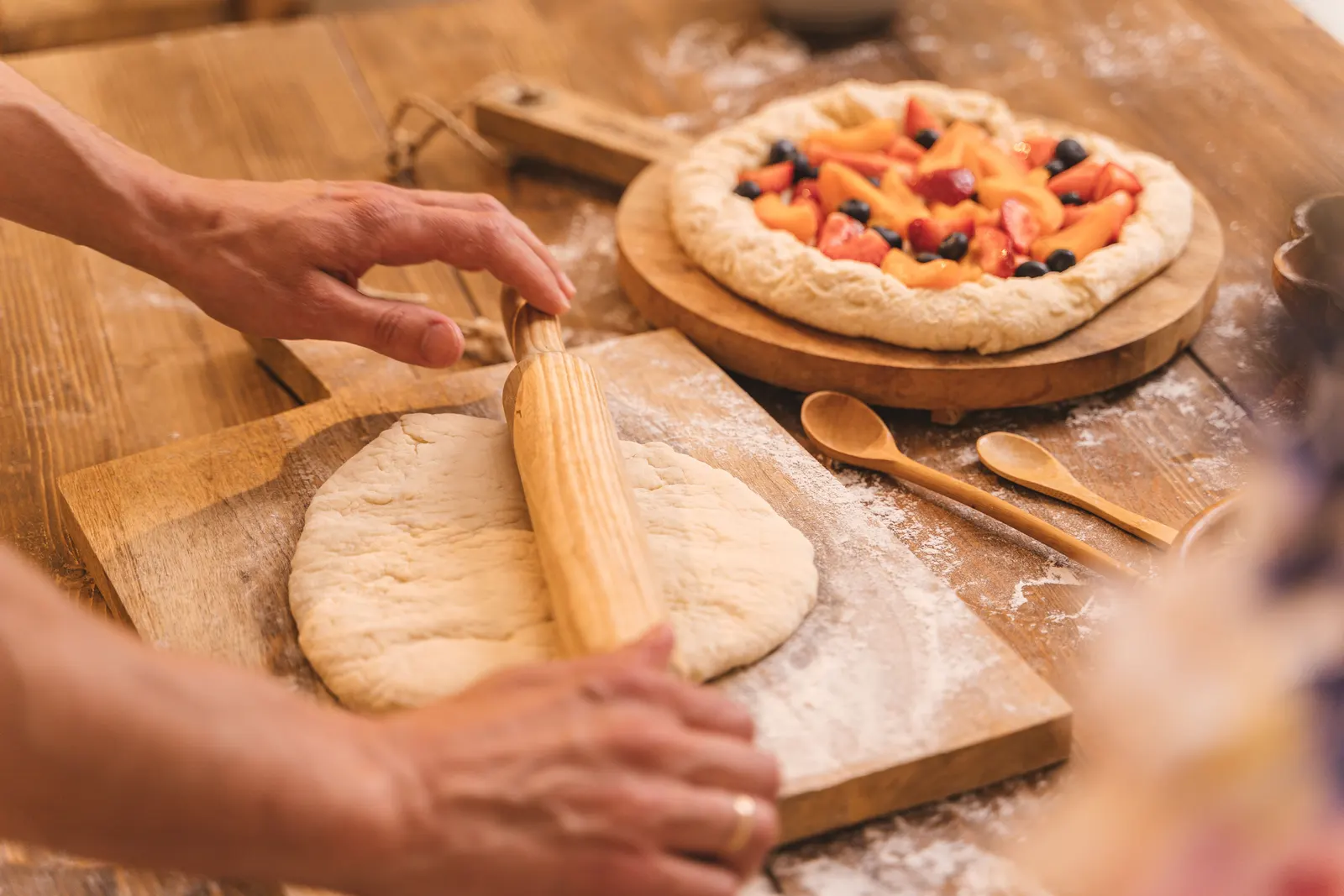
A lattice top is one of the most recognizable pie decorations, and it's more approachable than it looks — it's just strips of dough woven in a basic over-under pattern. It also serves a practical purpose on fruit pies, letting steam escape so the filling doesn't get trapped and overly wet underneath.
What You'll Need
A second disc of pie dough (on top of the one lining the pie pan), a rolling pin, a sharp knife or pastry wheel, and a ruler if you want evenly spaced strips.
Step-by-Step Method
Keep the dough cold throughout — if it starts to soften and stick, pause and chill it for 10 minutes before continuing.
- 1. Roll out the second dough disc into a rough rectangle or circle, about 1/8-inch thick.
- 2. Cut into even strips, about 3/4 to 1 inch wide, using a knife, pizza cutter, or pastry wheel.
- 3. Lay half the strips vertically across the filled pie, evenly spaced, leaving gaps between them.
- 4. Fold back every other vertical strip (starting from one side), then lay one horizontal strip across the unfolded ones.
- 5. Unfold the folded strips back over the new horizontal strip.
- 6. Fold back the alternate vertical strips (the ones left unfolded last time), and lay the next horizontal strip across.
- 7. Repeat this alternating over-under pattern until the top is fully woven.
- 8. Trim the overhanging strip ends even with the bottom crust's edge, then fold the bottom crust's edge up and over the lattice ends and crimp to seal.
- 9. Chill the assembled pie for 15–20 minutes before baking, to firm the dough back up after handling.
Tips for a Cleaner Lattice
If strips tear while weaving, the dough is likely too warm — return it to the refrigerator for a few minutes. Brushing the woven lattice with egg wash before baking gives it a shiny, golden finish. A simpler alternative, if weaving feels like too much for a first attempt, is to simply lay half the strips one direction and the other half the opposite direction without weaving them — it won't have the interlocking look, but it still looks intentional and lets steam escape the same way.
Frequently Asked Questions
A lattice top is a simple over-under pattern, not an advanced skill — the only real technique to manage is keeping the dough cold enough to handle without tearing or sticking.
Pies, Tarts & Fruit Desserts covers lattice and other decorative crust techniques alongside full pie recipes.
See Pies, Tarts & Fruit DessertsRelated Articles
Why Is My Pie Crust Soggy? Causes and How to Prevent It
A soggy pie bottom is one of the most common pie complaints, and almost always traceable to filling moisture, oven position, or a skipped prevention step.
Blind Baking a Pie Crust: Step-by-Step Guide
Blind baking — baking a pie crust on its own before filling it — is one of the most effective ways to prevent a soggy bottom. Here's the full method.

Classic Pumpkin Pie: Recipe and Troubleshooting for Thanksgiving
A classic spiced pumpkin pie custard in a flaky crust, with exact measurements and the fixes for the problems that most often show up around the holidays.