Chocolate Ganache Drip Cake: Step-by-Step Guide
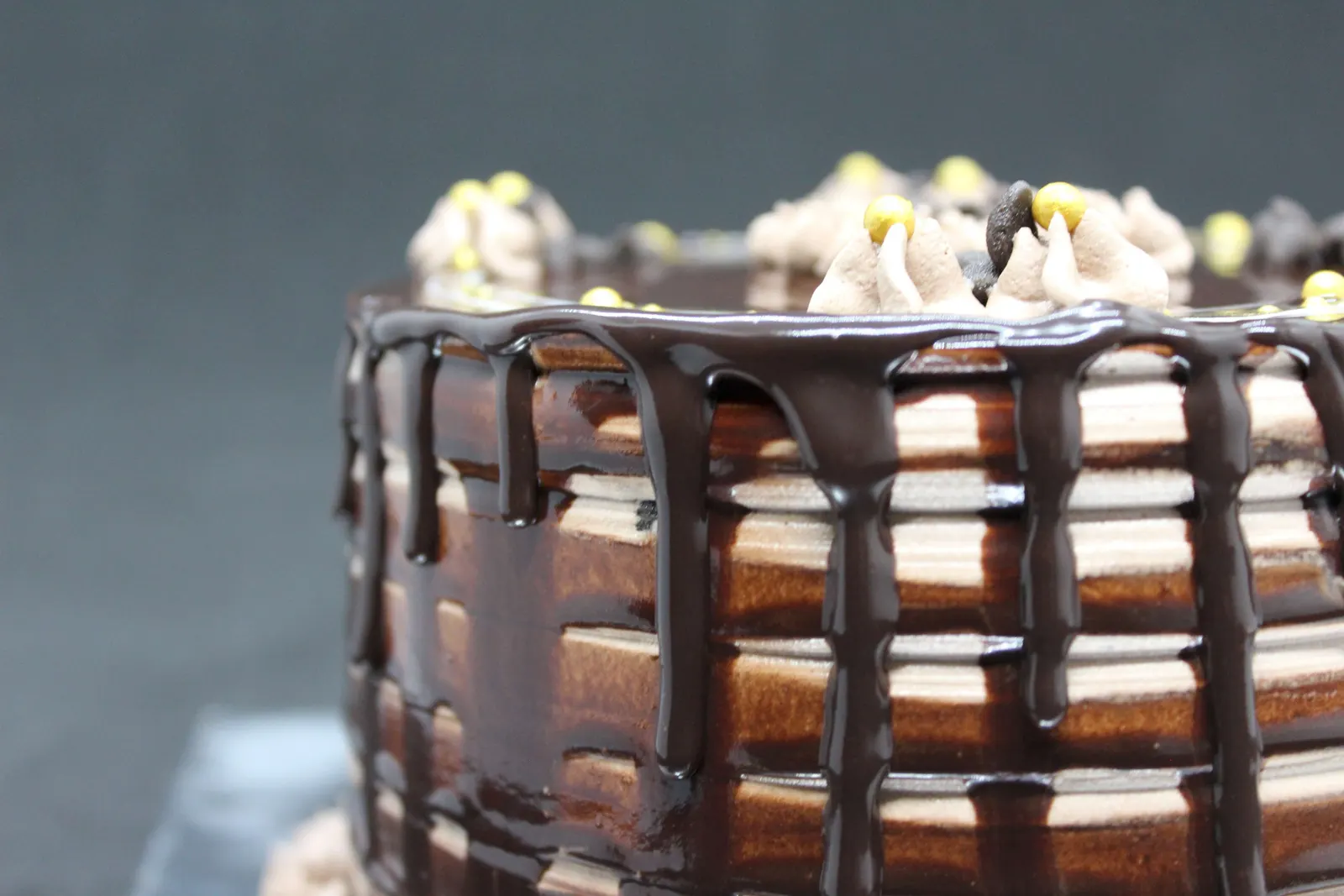
A ganache drip — the glossy chocolate trailing down the sides of a cake — looks like an advanced decorating technique, but it's really a simple two-ingredient mixture applied at the right temperature. The ratio and the temperature are the only two variables that really matter.
Ganache Ratio
For semi-sweet or dark chocolate, use a ratio of about 1 part heavy cream to 3 parts chocolate by weight. For white chocolate, which is softer and melts differently, use closer to 1 part cream to 4 parts chocolate, since white chocolate ganache otherwise stays too soft to hold a clean drip.
Making the Ganache
Two methods work equally well — stovetop or microwave.
- Stovetop: heat the cream in a small saucepan just until it simmers (don't let it boil over), then pour it over finely chopped chocolate in a heatproof bowl. Cover and let sit for 5 minutes, then stir until completely smooth.
- Microwave: combine cream and chopped chocolate in a microwave-safe bowl, and microwave in 20–30 second bursts, stirring between each, until smooth.
Getting the Temperature Right
This is the step most people skip, and it's the one that matters most. Ganache that's too warm runs straight down the cake in thin, fast streaks all the way to the base. Ganache that's too cool sits thick on top and barely drips at all. Let the ganache cool to just slightly warmer than room temperature — it should flow slowly off a spoon, not pour like liquid.
Chilling the cake itself beforehand also helps significantly: a cold cake surface firms the ganache the moment it touches, controlling how far each drip travels before it sets.
Frequently Asked Questions
A clean ganache drip is a ratio-and-temperature problem, not a hand-skill problem — get those two things right, and the drip mostly takes care of itself.
The Cake Decorating & Frosting Handbook covers ganache, buttercream, and finishing techniques in full detail.
See the Cake Decorating & Frosting HandbookRelated Articles
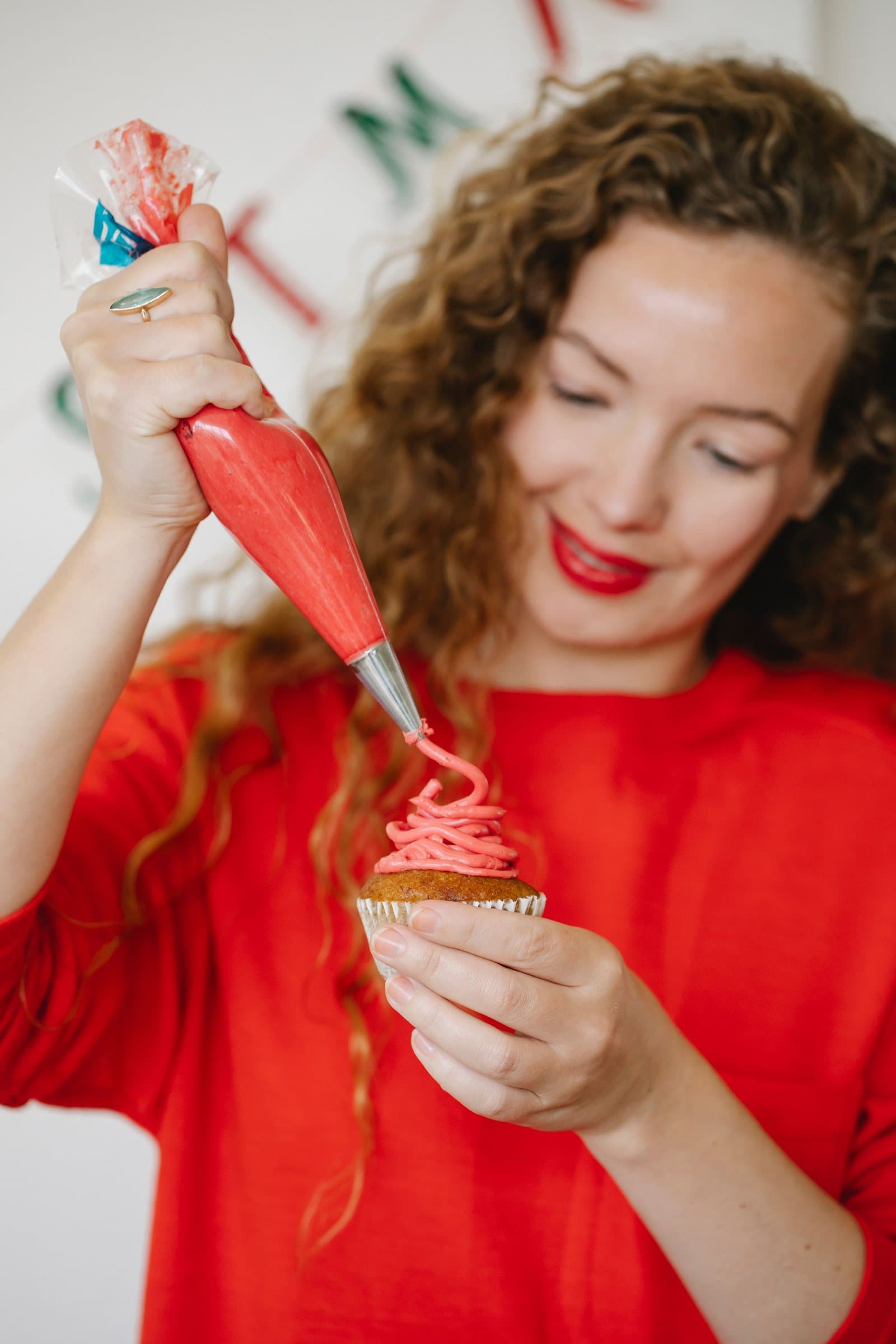
How to Make Buttercream Frosting: Consistency, Flavor, and Troubleshooting
A full buttercream recipe with exact measurements, how to adjust it for spreading versus piping, real flavor variations, and what to do if it turns out grainy, soupy, or too stiff.
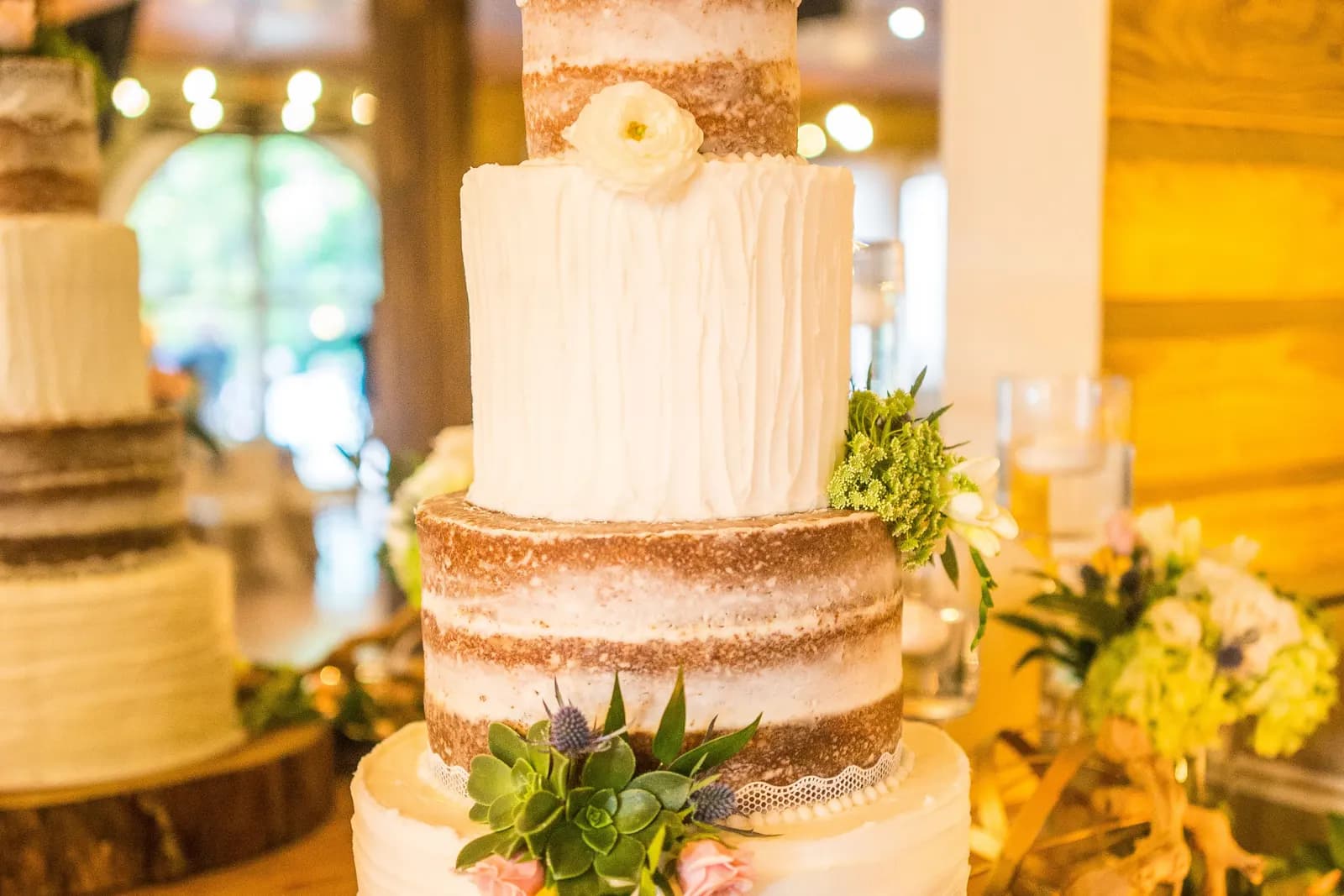
Naked Cake Style: How to Get the Look and Avoid Common Mistakes
A naked cake looks effortlessly rustic, but getting that clean, intentional look — rather than a messy, underfrosted one — actually takes a specific technique.
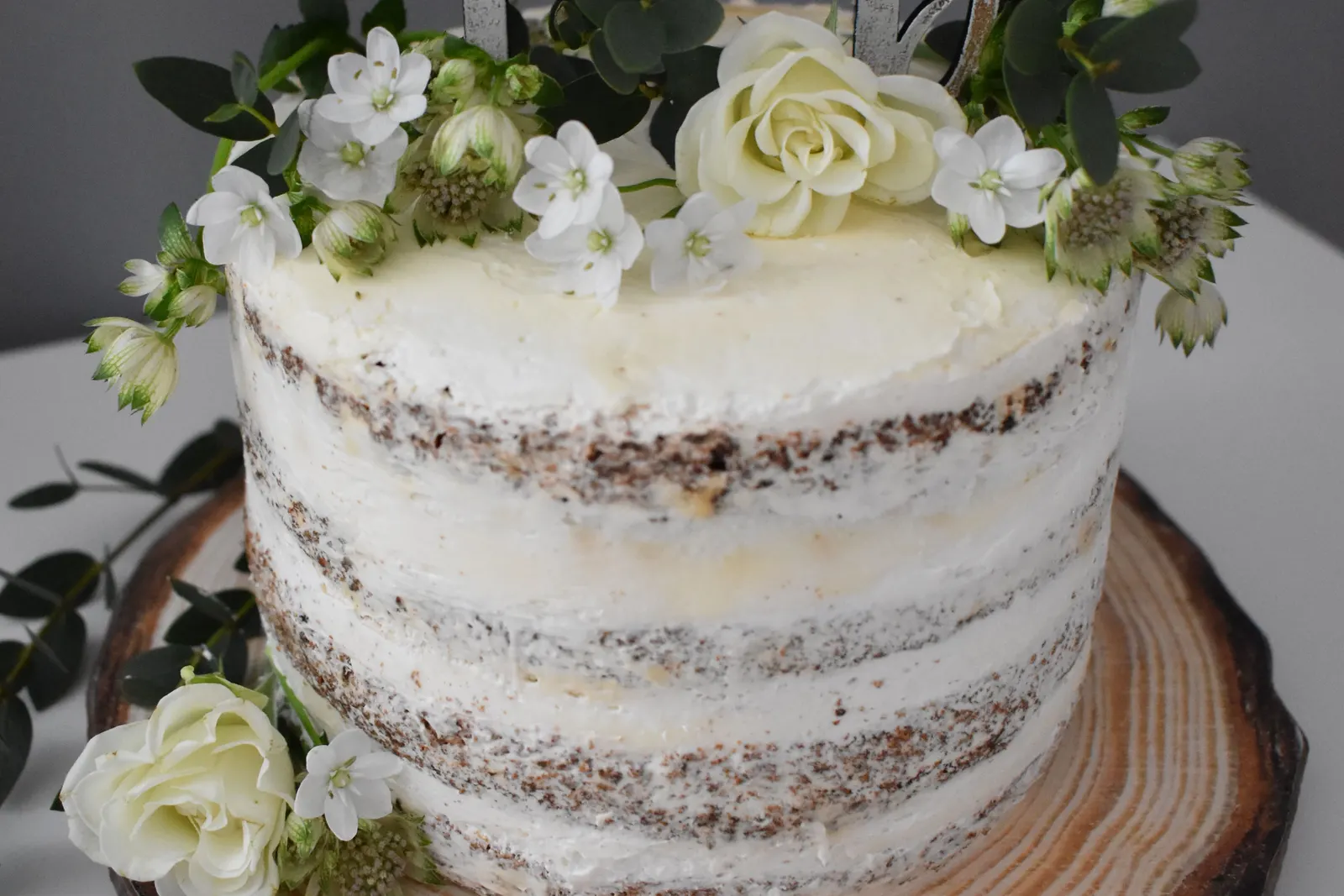
How to Transport a Decorated Cake Without Ruining It
A finished, decorated cake is fragile in transit — frosting smudges, layers shift, and heat is the enemy. Here's how to get it to the party looking the way it did in your kitchen.