Naked Cake Style: How to Get the Look and Avoid Common Mistakes
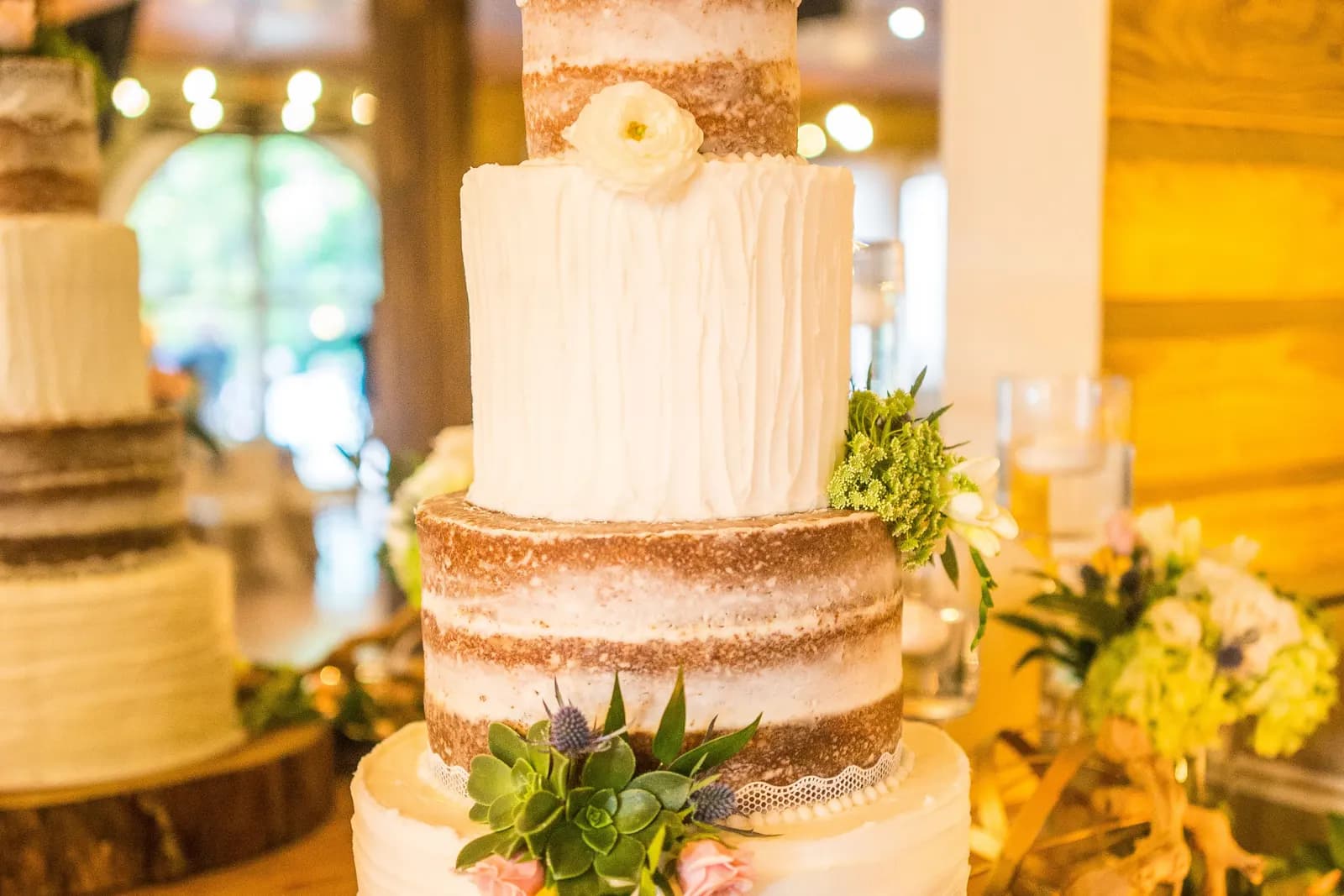
A naked cake uses a thin layer of frosting between layers and a minimal, scraped-back coat on the outside, letting the cake's sponge show through. It remains a genuinely popular style for weddings and gatherings looking for a rustic, natural look rather than a fully smooth, fondant-style finish — one recent wedding-trend roundup still listed it alongside more elaborate styles.
The look is deceptively simple: without enough frosting for structure, a naked cake can end up looking less like an intentional style and more like an unfinished one.
Why It's Harder Than It Looks
Fully frosted cakes use their thick outer coat to hide uneven layers, gaps, and minor imperfections. A naked cake has almost nothing to hide behind — every layer needs to be level, evenly stacked, and the thin frosting layer still needs enough structure to actually hold the cake together and seal in moisture.
How to Get the Look
Start with cake layers that are already level and evenly sized — see how to level, fill, and stack a layer cake for the full method, since this matters more here than for a fully frosted cake.
- 1. Fill and stack the layers as usual, using a slightly thicker layer of filling between each than you might for a fully frosted cake, since there's no outer coat to add extra moisture.
- 2. Apply a thin crumb coat of frosting over the entire cake, just enough to lightly seal the surface.
- 3. Chill the crumb-coated cake for 15–20 minutes to firm it up.
- 4. Apply a second very thin layer of frosting, then use a bench scraper held at a steady angle to scrape most of it back off, leaving only a light, semi-transparent layer that lets the cake layers show through in places.
- 5. Decorate with fresh flowers, fruit, or greenery around the base and top, which is part of what gives the style its signature rustic look.
Common Mistakes
The difference between an intentional naked cake and a messy one usually comes down to:
- Uneven layers: without a thick frosting coat to disguise a lean or wobble, uneven stacking is much more visible — level each layer carefully before stacking.
- Too little frosting between layers: this leaves the cake dry, since the moisture a thicker frosting layer normally provides isn't there to compensate.
- Scraping back too aggressively: leaving literally no frosting exposes every crumb and imperfection. Aim for a thin, even film rather than scraping the cake completely bare.
- Skipping the chill between coats: working on a warm cake makes the crumb coat smear into the final layer rather than staying distinct underneath it.
Frequently Asked Questions
A naked cake's simplicity is the whole challenge — without a thick frosting coat to hide behind, level layers, adequate filling, and a careful scrape-back technique all matter more than they would for a fully frosted cake.
Celebration Cakes for Every Occasion covers naked cakes and other presentation styles for real gatherings and events.
See Celebration Cakes for Every OccasionRelated Articles
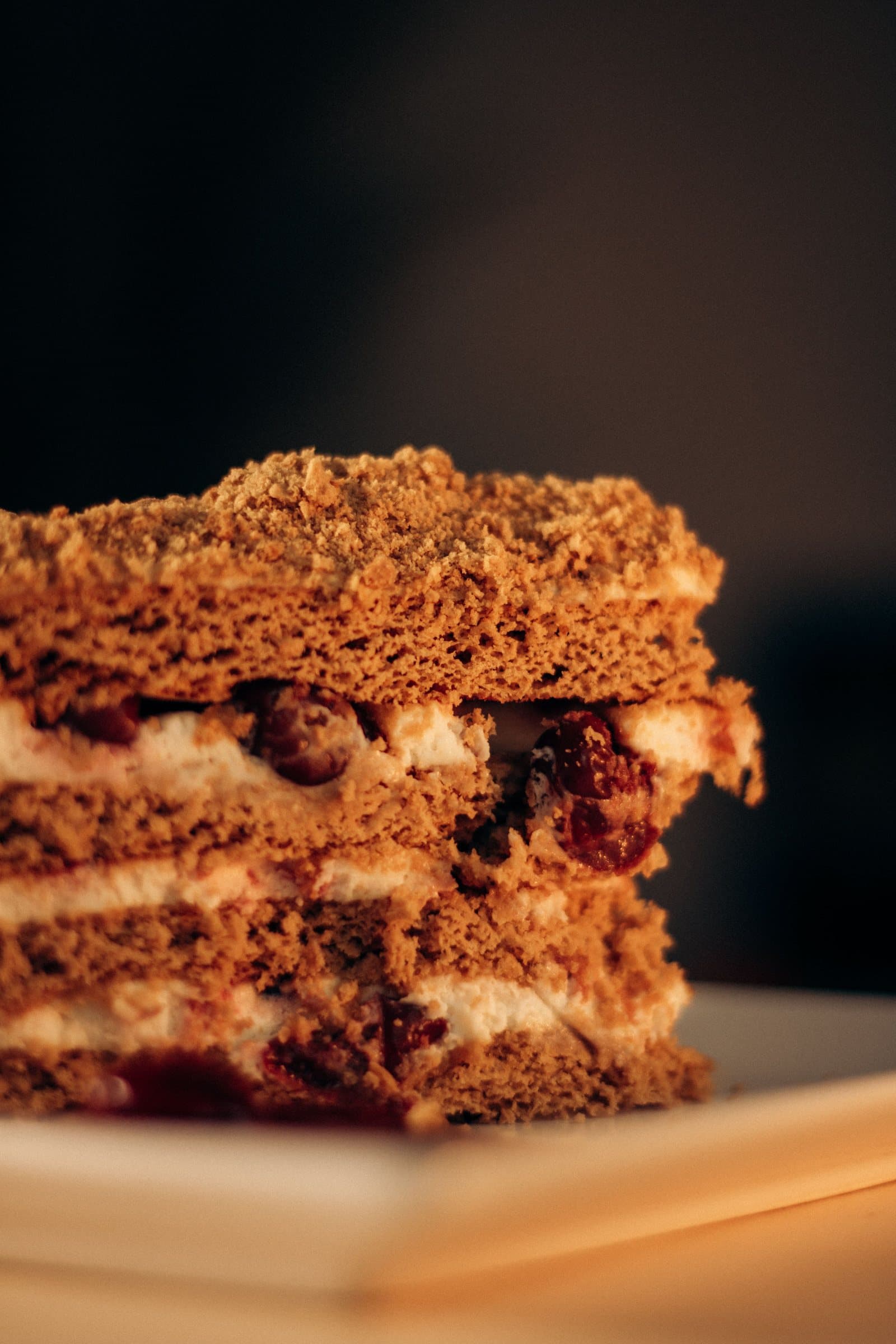
How to Level, Fill, and Stack a Layer Cake for Beginners
Leveling, filling, and stacking are what separate a cake that leans or slides from one that stands straight and cuts clean. Here's the full process, step by step.
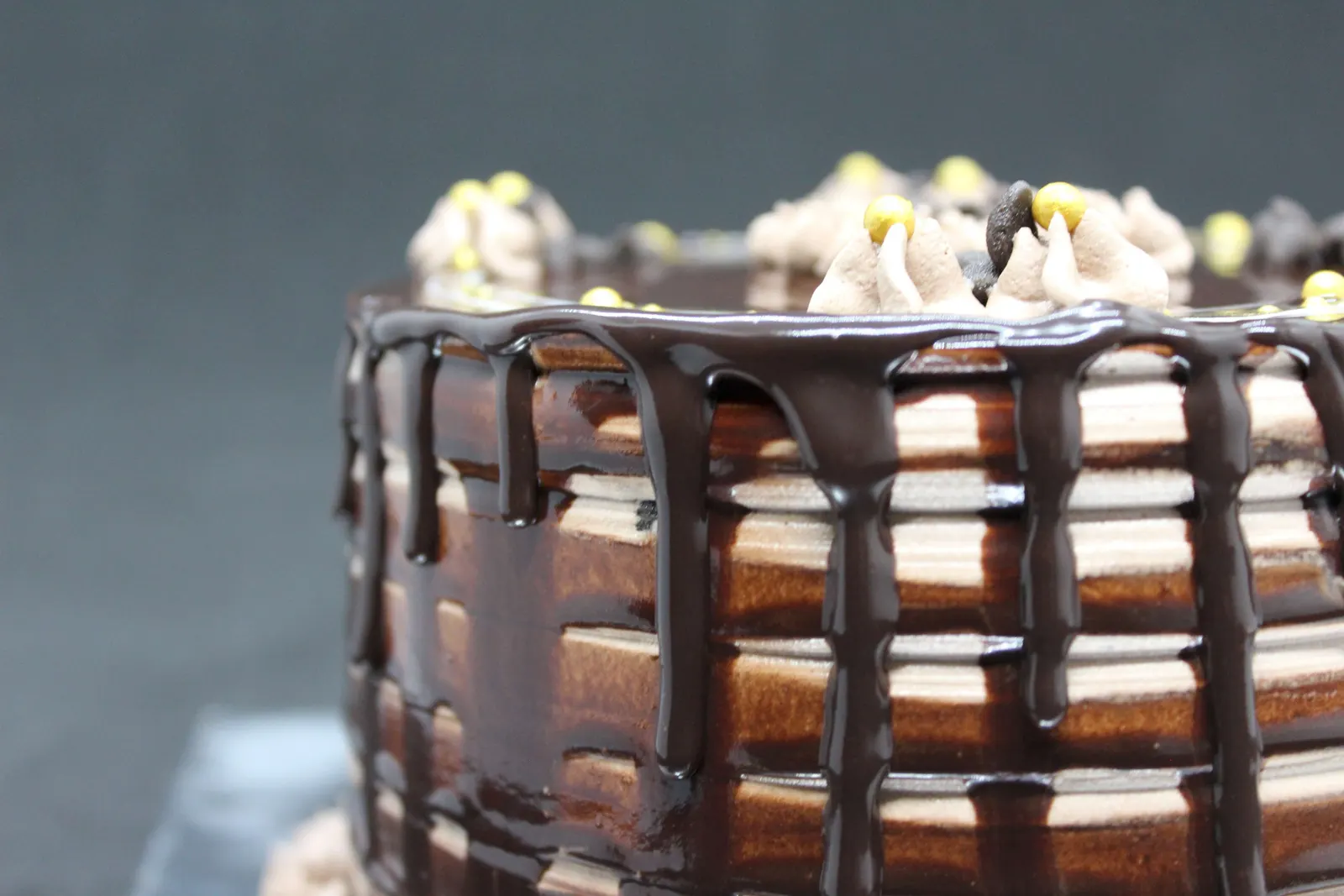
Chocolate Ganache Drip Cake: Step-by-Step Guide
A drip cake's signature look comes down to two variables: the ganache's chocolate-to-cream ratio, and its temperature when applied. Here's the full method.
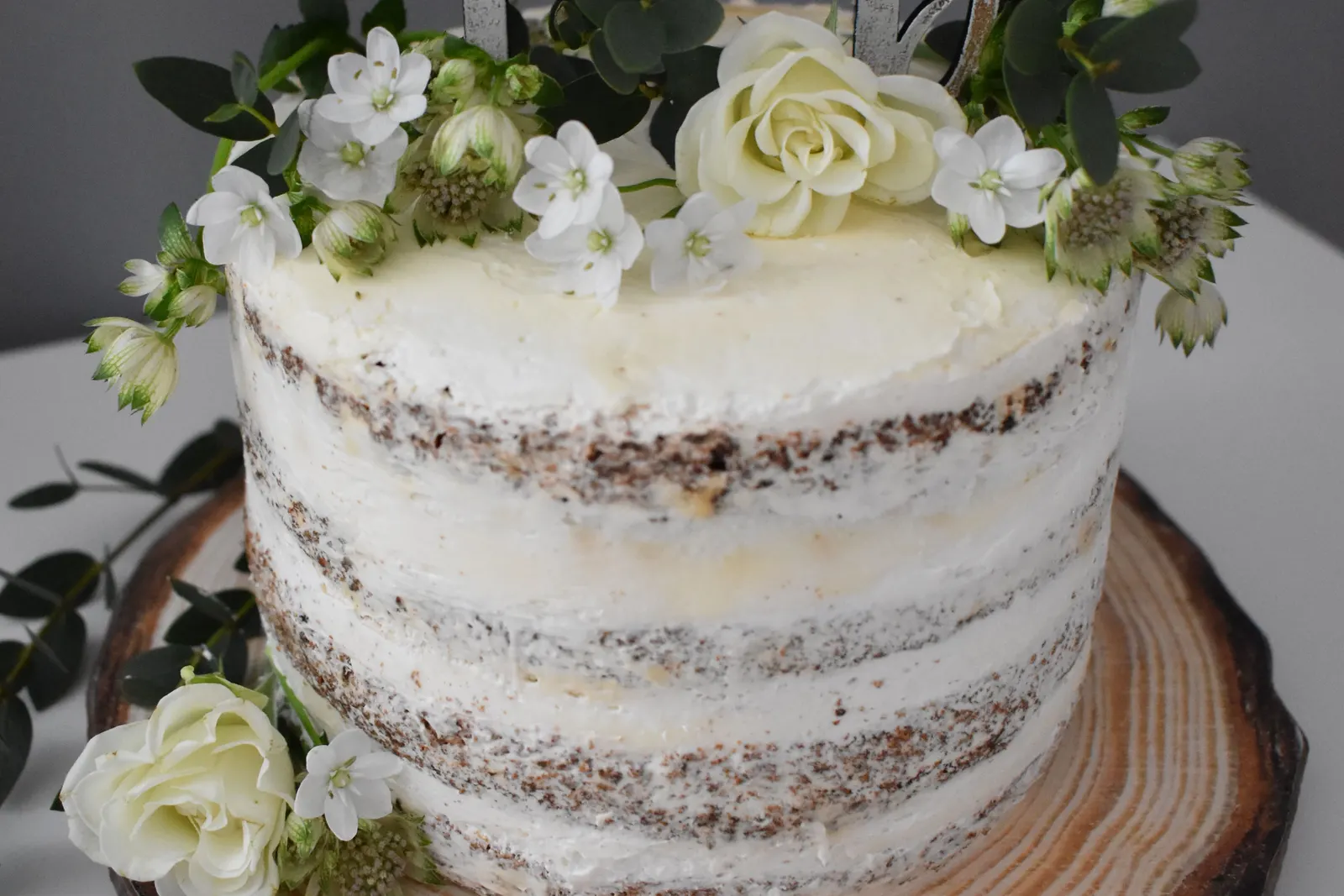
How to Transport a Decorated Cake Without Ruining It
A finished, decorated cake is fragile in transit — frosting smudges, layers shift, and heat is the enemy. Here's how to get it to the party looking the way it did in your kitchen.