Salt in Baking: Why Recipes Call for It and What Happens If You Skip It
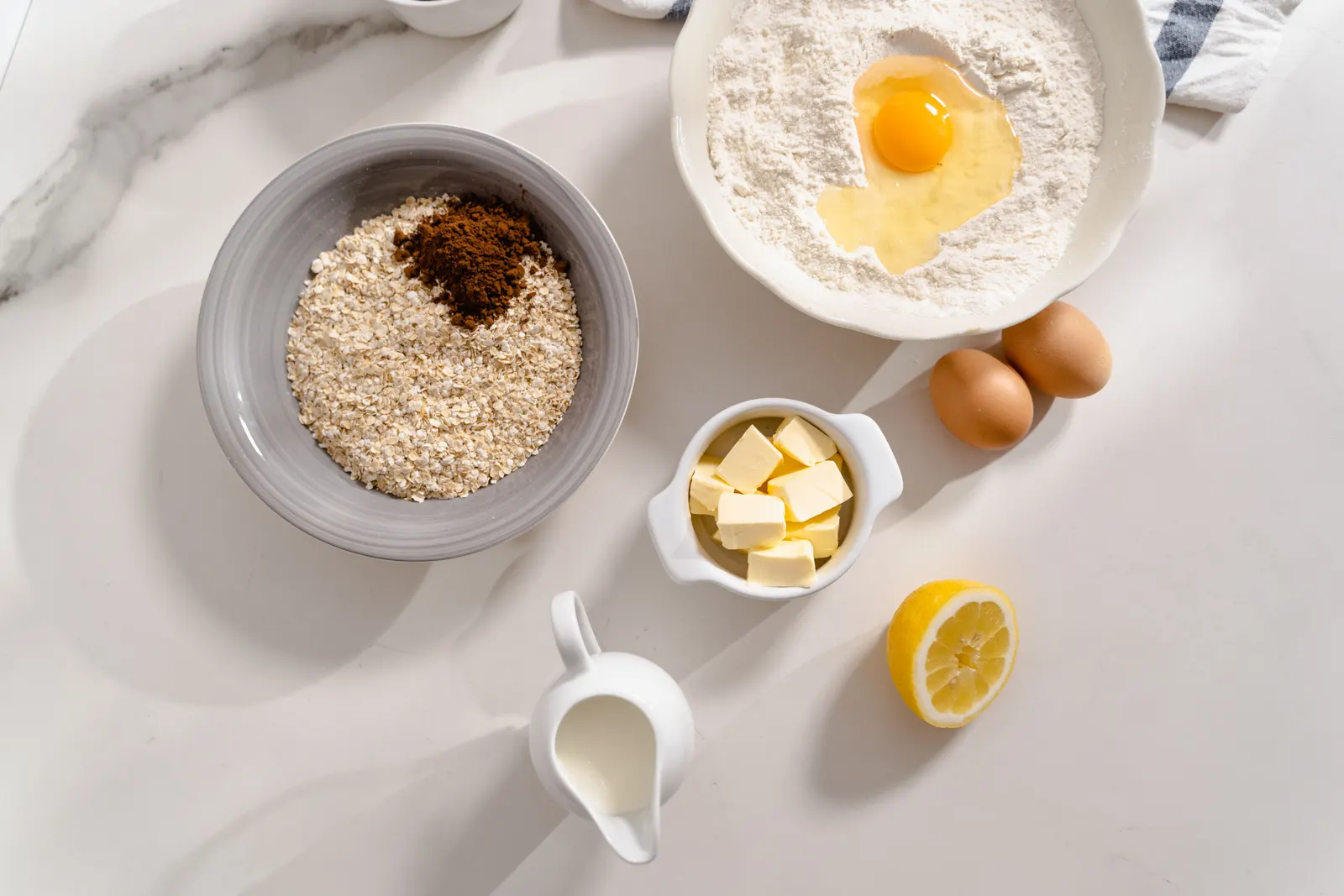
Nearly every sweet baking recipe includes a small amount of salt, and it's easy to assume it's optional or negligible in such a small quantity. In practice, it plays a specific, functional role that goes well beyond making something taste salty.
Salt Balances and Enhances Flavor
In small amounts, salt doesn't make desserts taste salty — it suppresses bitterness and rounds out sweetness, making other flavors (vanilla, chocolate, fruit) taste more distinct and pronounced rather than flat. This is the same principle behind a pinch of salt in coffee or on a slice of watermelon.
Salt Affects Structure and Leavening
In yeasted doughs, salt slows down yeast activity slightly, which helps control the rate of fermentation — without it, dough can rise too quickly and unevenly, affecting both texture and flavor development. In recipes with baking soda, salt can also have a minor tempering effect on how fast the reaction proceeds.
What Happens If You Skip It
The result isn't ruined, but it's noticeably flatter — sweetness can taste one-dimensional or slightly dull, and in yeasted bread, the dough may rise faster and less evenly than intended, sometimes producing a less developed flavor overall.
Frequently Asked Questions
Salt in a sweet recipe isn't an oversight or a minor afterthought — in small amounts, it's doing real work balancing flavor and, in some recipes, moderating structure and fermentation. Skipping it won't ruin a bake, but it will taste noticeably flatter.
Cake Baking for Beginners covers the full role of each core ingredient, including the ones easy to overlook like salt.
See Cake Baking for BeginnersRelated Articles
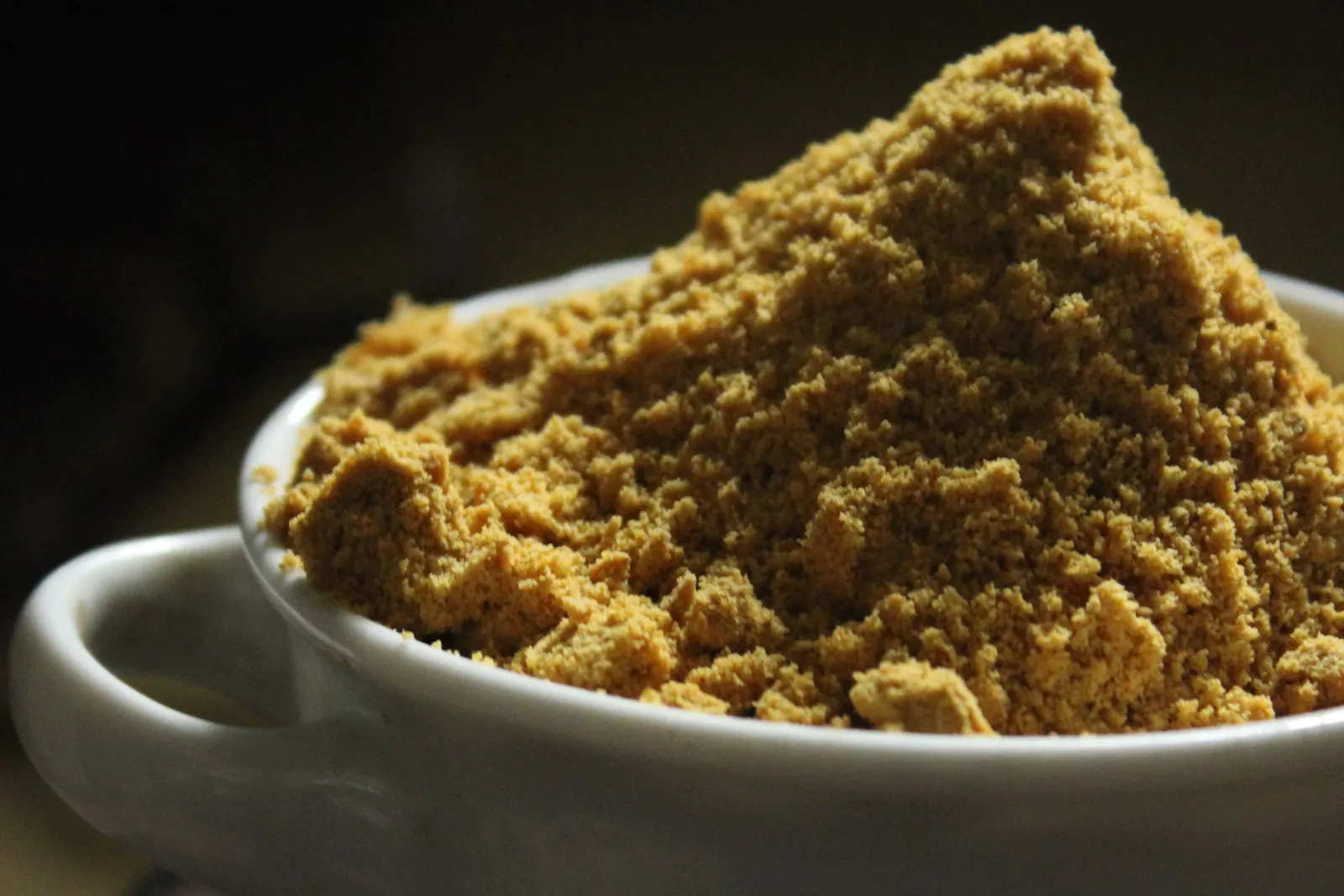
Types of Sugar in Baking Explained
Sugar isn't just sweetness — different types affect moisture, texture, and even how much a baked good spreads. Here's what each common type actually does.
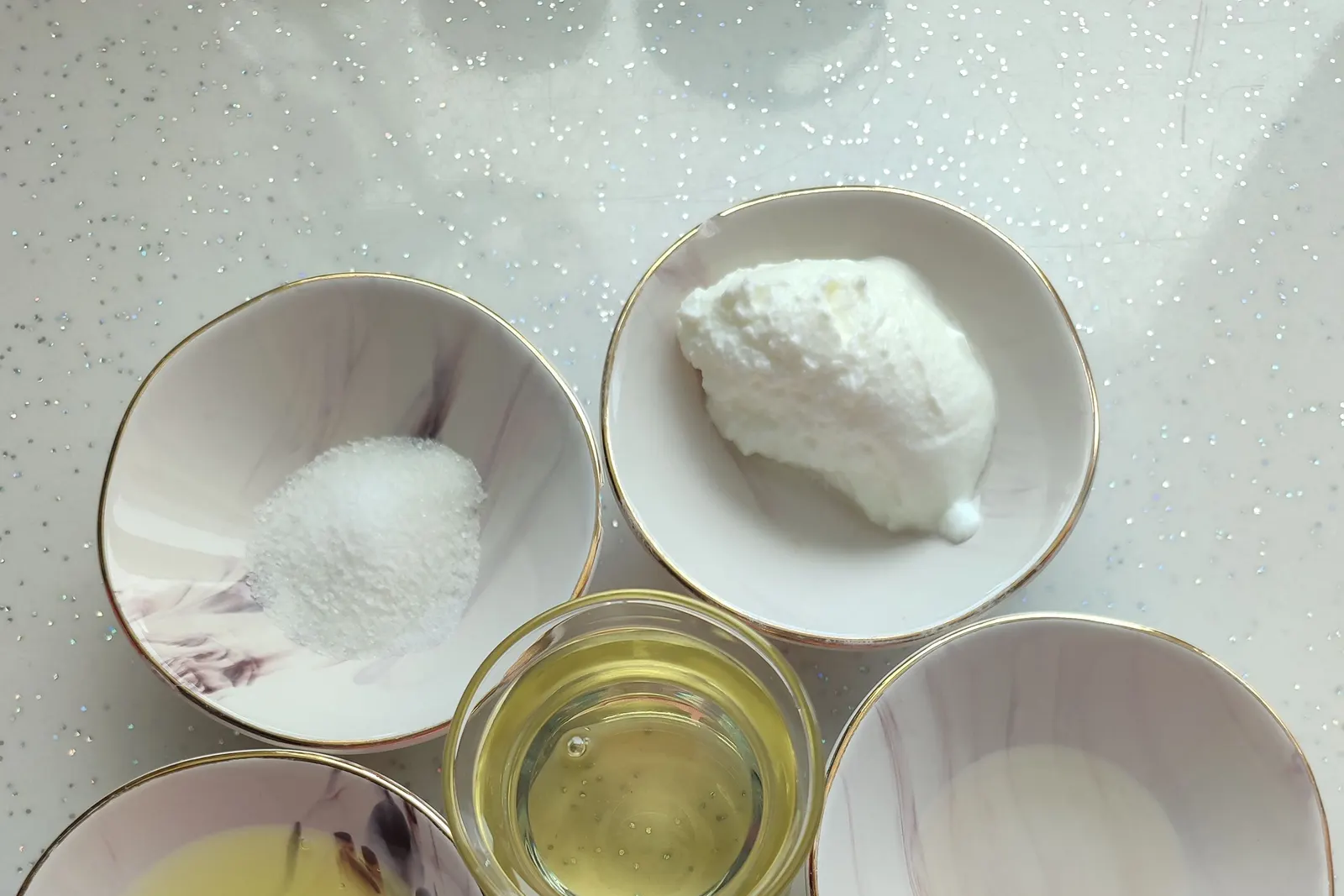
Baking Powder vs Baking Soda: What's the Difference and When to Use Each
Both make baked goods rise, but they work through different chemistry — and swapping one for the other without adjusting can genuinely change the result.
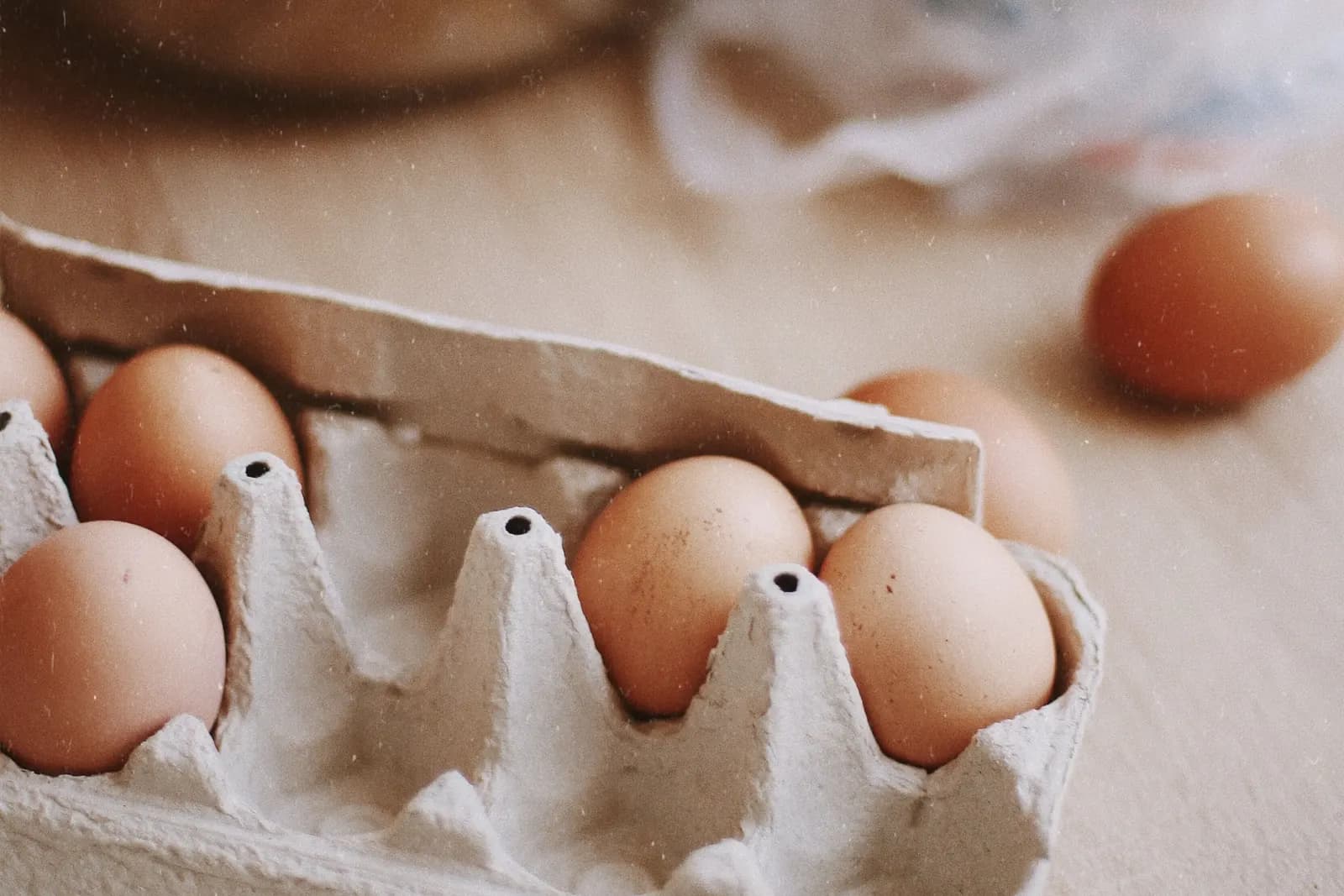
Why Room-Temperature Ingredients Matter in Baking
"Room temperature" shows up constantly in recipes, and skipping it is a common, invisible cause of dense cakes, curdled batter, and uneven mixing.