Common Cake Pan Substitutions and How to Adjust Bake Time
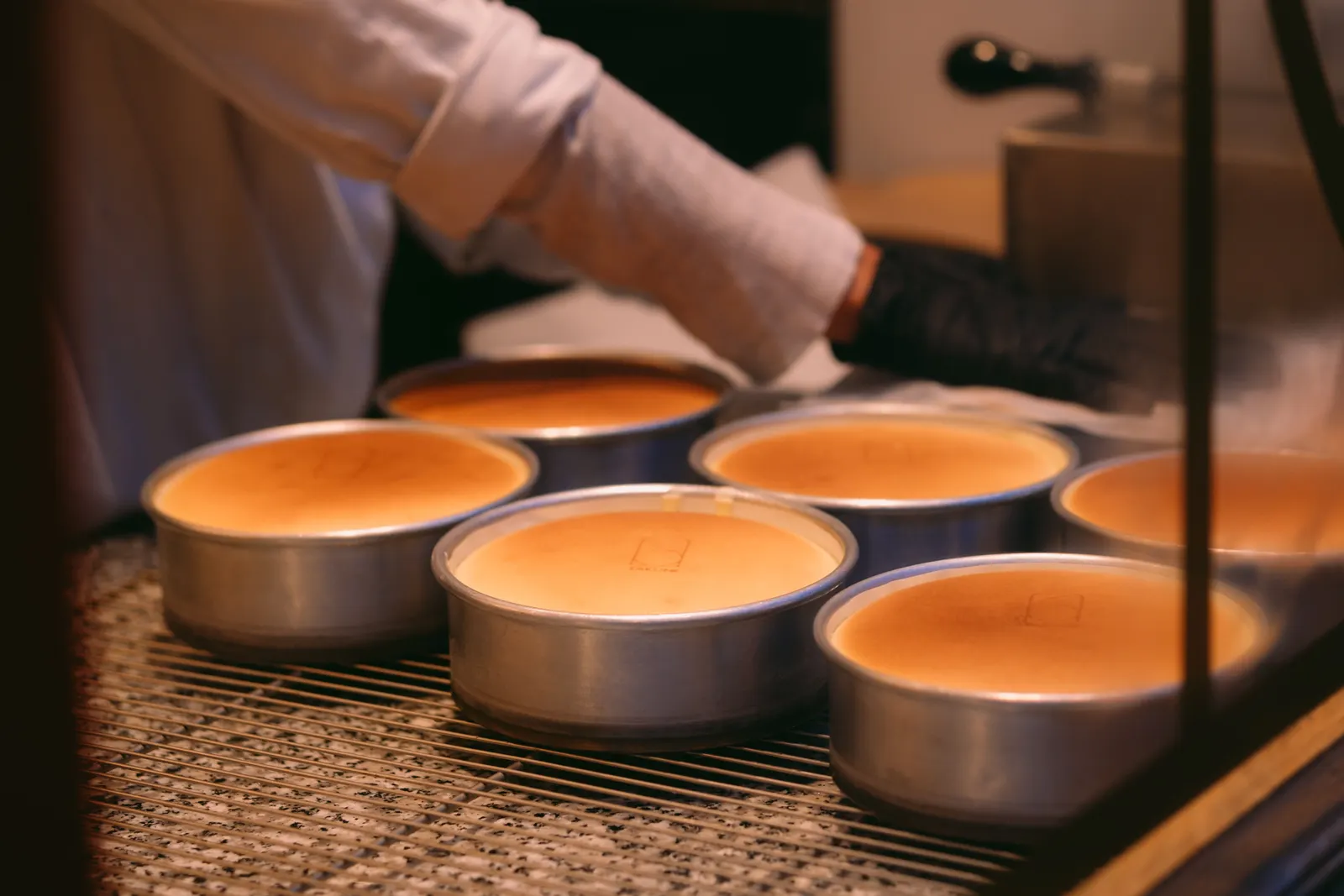
Not having the exact pan size a recipe calls for doesn't mean you can't make it — most cake recipes can be adapted to a different pan as long as you account for the change in batter depth, which directly affects bake time. This builds on cake pan sizes explained, focusing specifically on substitution math.
The Core Principle: Volume, Not Just Diameter
Pans with the same volume capacity, even in different shapes, generally hold the same amount of batter at a similar depth — which is the real variable that determines bake time, more than the pan's shape or diameter alone.
- One 9-inch round pan ≈ one 8-inch square pan in volume.
- Two 9-inch round pans ≈ one 9x13-inch rectangular pan in volume.
- One 9x13-inch pan ≈ three 8-inch round pans, or about 24 standard cupcakes.
Adjusting Bake Time
A thinner layer of batter (spread across a larger pan than the recipe intends) bakes faster than the recipe states — start checking for doneness 10–15 minutes before the original time. A thicker layer (poured into a smaller pan than intended) takes longer — add 10–15 minutes to the original estimate and check with a toothpick before assuming it's done.
Regardless of pan substitution, always rely on visual and toothpick doneness cues rather than trusting a recipe's stated time exactly, since that time was calibrated for the pan the recipe actually specifies.
A Few Practical Swaps
Some substitutions that come up often:
- No 9-inch round pans for a layer cake: use an 8-inch square pan for each layer instead, adjusting the shape of your final cake accordingly, or bake the full recipe in one larger 9x13-inch pan as a sheet cake.
- No bundt pan: a tube pan works similarly, or two loaf pans for a batter that doesn't depend on the bundt shape specifically for presentation.
- No springform pan for cheesecake: a regular cake pan lined well with parchment (leaving overhang to lift the cheesecake out) can work, though removing a cheesecake cleanly without the springform's removable side takes more care.
Frequently Asked Questions
Pan substitution comes down to matching volume as closely as possible, then adjusting bake time based on whether the resulting batter layer is thinner or thicker than the recipe intended — the toothpick test is more reliable than the clock whenever you've swapped pans.
Cake Baking for Beginners covers pan sizing and substitution as part of its full set of practical troubleshooting lessons.
See Cake Baking for BeginnersRelated Articles
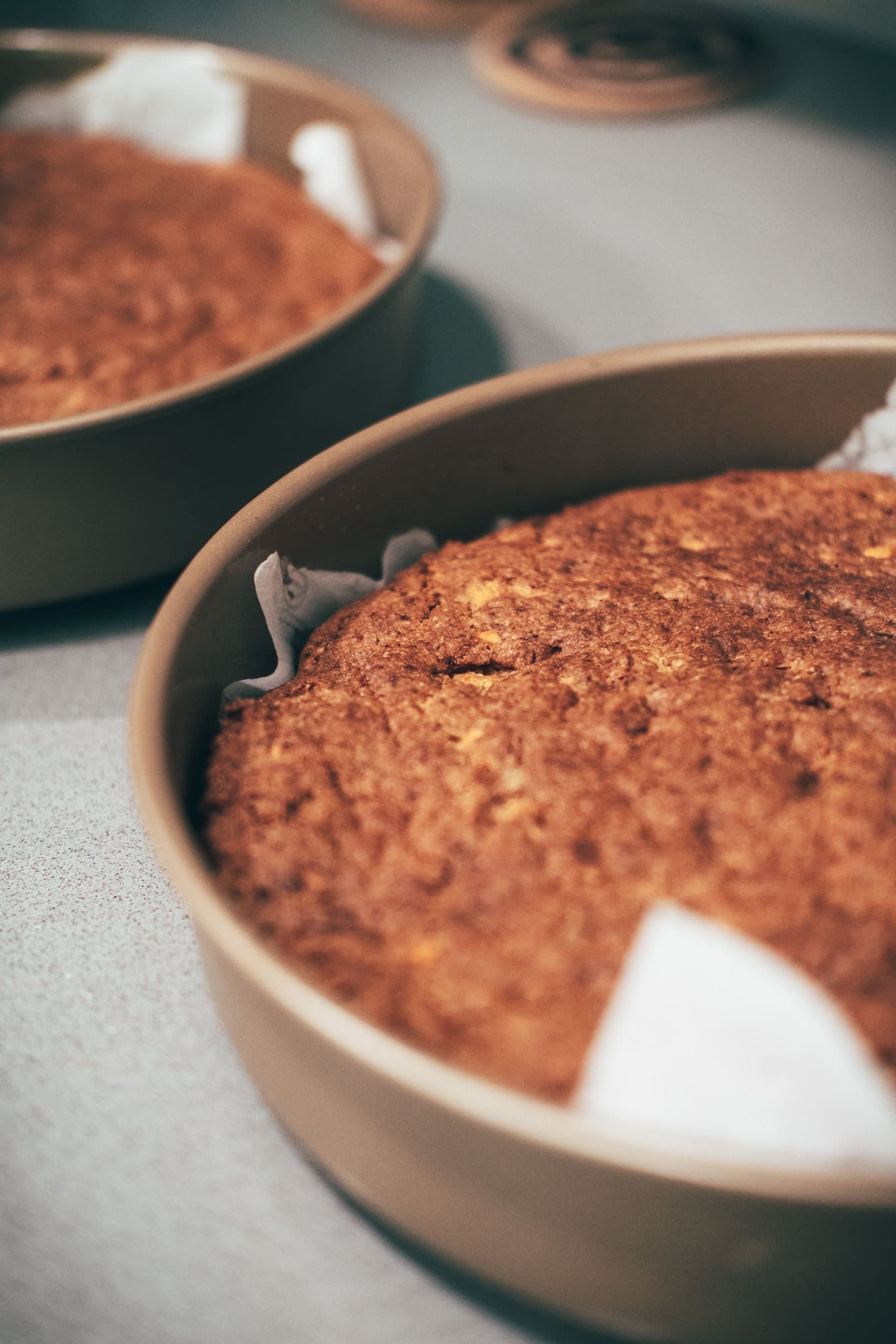
Cake Pan Sizes Explained: How to Choose the Right Pan and Adjust Baking Time
The same batter poured into a different-sized pan bakes completely differently. Here's how pan sizes compare, how to substitute one for another, and how to adjust time and temperature.

Oven Temperature Troubleshooting: Why Your Oven Runs Hot or Cold
Set your oven to 350°F and it might actually be baking at 375°F or 325°F. Here's why that happens, how to check, and what to do about it.
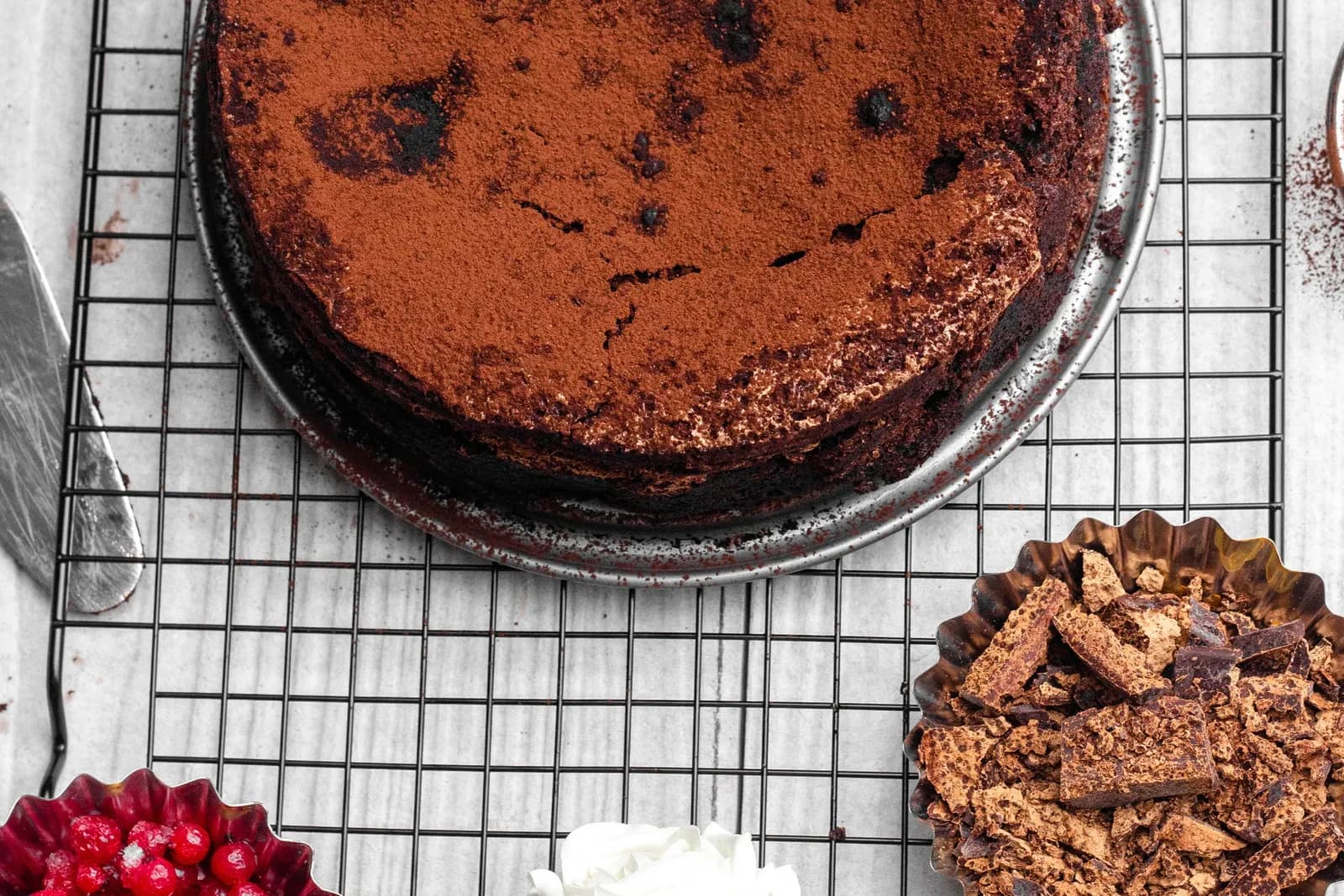
Why Did My Cake Crack on Top? Causes and Fixes
A domed, cracked cake top usually comes down to one of three things: an oven running hot, a pan filled too full, or a few extra minutes in the oven. Here's how to tell which one happened.