How to Make Basque Burnt Cheesecake at Home
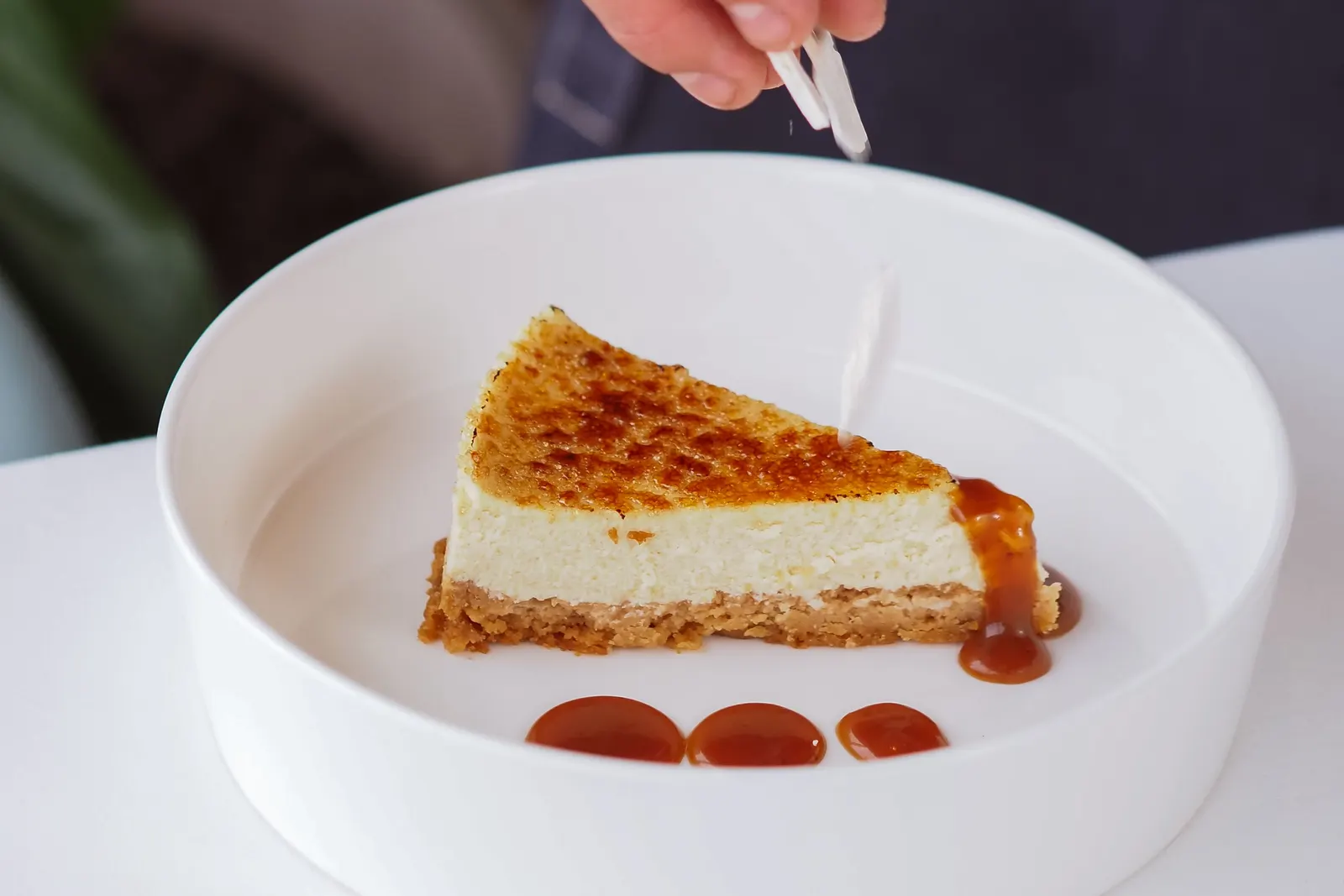
Basque cheesecake (sometimes called burnt cheesecake) originated at La Viña restaurant in San Sebastián, Spain, and has spread widely since — it's become a genuine fixture on bakery menus and home baking feeds internationally over the past several years.
What makes it different from a classic New York-style cheesecake: no crust, no water bath, and it's baked hot and fast so the top deliberately blackens while the inside stays loose and custardy, almost like a baked flan.
Basque Burnt Cheesecake Recipe
Prep time: 15 minutes. Bake time: 50–60 minutes. Pan size: one 9-inch springform pan. Oven temperature: 450°F / 230°C. Yield: one cheesecake, about 10 servings.
- Ingredients — 32 oz (900g) full-fat cream cheese, room temperature
- 1 1/3 cups (265g) granulated sugar
- 6 large eggs, room temperature
- 2 1/4 cups (530ml) heavy cream, room temperature
- 1 tsp vanilla extract
- 1/4 cup (30g) all-purpose flour
- 1/2 tsp salt
Method
Unlike a classic cheesecake, there's no need to avoid overmixing here — a smooth, well-combined batter is exactly what you want.
- 1. Heat the oven to 450°F/230°C. Line a 9-inch springform pan with two overlapping sheets of parchment paper, pressing it into the corners and letting the excess hang over the sides — this is what lets the cake pull cleanly away without a straight-sided crust.
- 2. Beat the cream cheese and sugar together until smooth and fully combined, scraping the bowl well.
- 3. Add the eggs one at a time, beating well after each addition.
- 4. Pour in the heavy cream and vanilla, and mix until smooth.
- 5. Sift the flour and salt over the batter and fold in gently until just combined.
- 6. Pour the batter into the lined pan and tap it firmly on the counter a few times to release large air bubbles.
- 7. Bake for 50–60 minutes, until the top is deeply browned (close to black in places) and the center still jiggles noticeably when the pan is nudged — it will look underdone, and that's correct.
- 8. Cool at room temperature for at least 1 hour, then refrigerate for at least 4 hours (overnight is better) before slicing. The cake firms up significantly as it chills.
Why It's Baked This Way
The high heat is what produces the signature deeply browned, almost burnt top — this isn't a mistake to avoid, it's the entire point of the style, and it adds a bittersweet, almost caramelized flavor that contrasts with the rich interior.
Skipping the water bath is deliberate too: the exposed, direct heat is part of what creates the contrast between the set edges and the loose, custardy center. Trying to prevent cracking here (the way you would for a classic cheesecake) would work against the style rather than improve it.
Troubleshooting
A few common results and their likely causes:
- Top isn't dark enough: your oven may run cool — check with an oven thermometer, and consider moving the pan to a higher rack for the last 10 minutes.
- Center never sets even after chilling overnight: likely underbaked — next time, bake a few minutes longer until the top is more deeply colored, even if the center still jiggles going into the oven.
- Cracked all over rather than just browned on top: this can still happen even with this style; it won't affect the result since the top is meant to be deeply colored and uneven-looking regardless.
Storage
Store covered in the refrigerator for up to 5 days. This cheesecake also freezes well — wrap tightly and freeze for up to 2 months, then thaw overnight in the refrigerator before serving.
Frequently Asked Questions
Basque cheesecake rewards doing the opposite of what classic cheesecake technique teaches — high heat instead of low, no water bath instead of one, and a deliberately dark top instead of a pale one. Once you trust the process, it's a genuinely simple recipe.
This recipe is based on the standard Basque cheesecake method and ratios, not on documented testing of this exact batch — use the troubleshooting section above if your oven runs differently than expected.
Cheesecakes, Cupcakes & Mini Cakes covers this recipe alongside classic and no-bake cheesecake styles, with full troubleshooting guidance.
See Cheesecakes, Cupcakes & Mini CakesRelated Articles
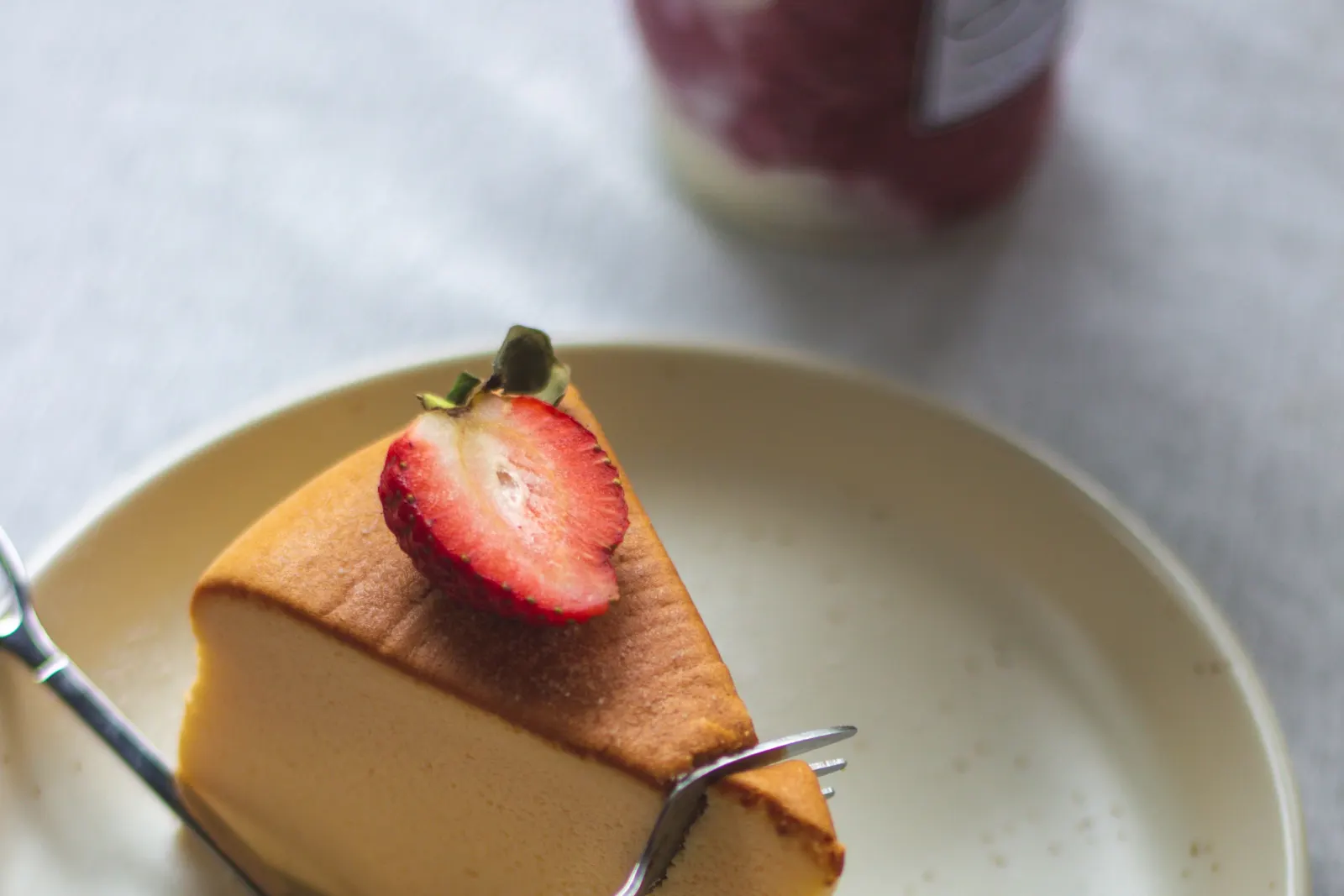
Why Does Cheesecake Crack? Causes and How to Prevent It
A cracked cheesecake almost always traces back to one of four things: too much time in the oven, cooling too fast, too much air in the batter, or sticking to the pan. Here's how to prevent each one.
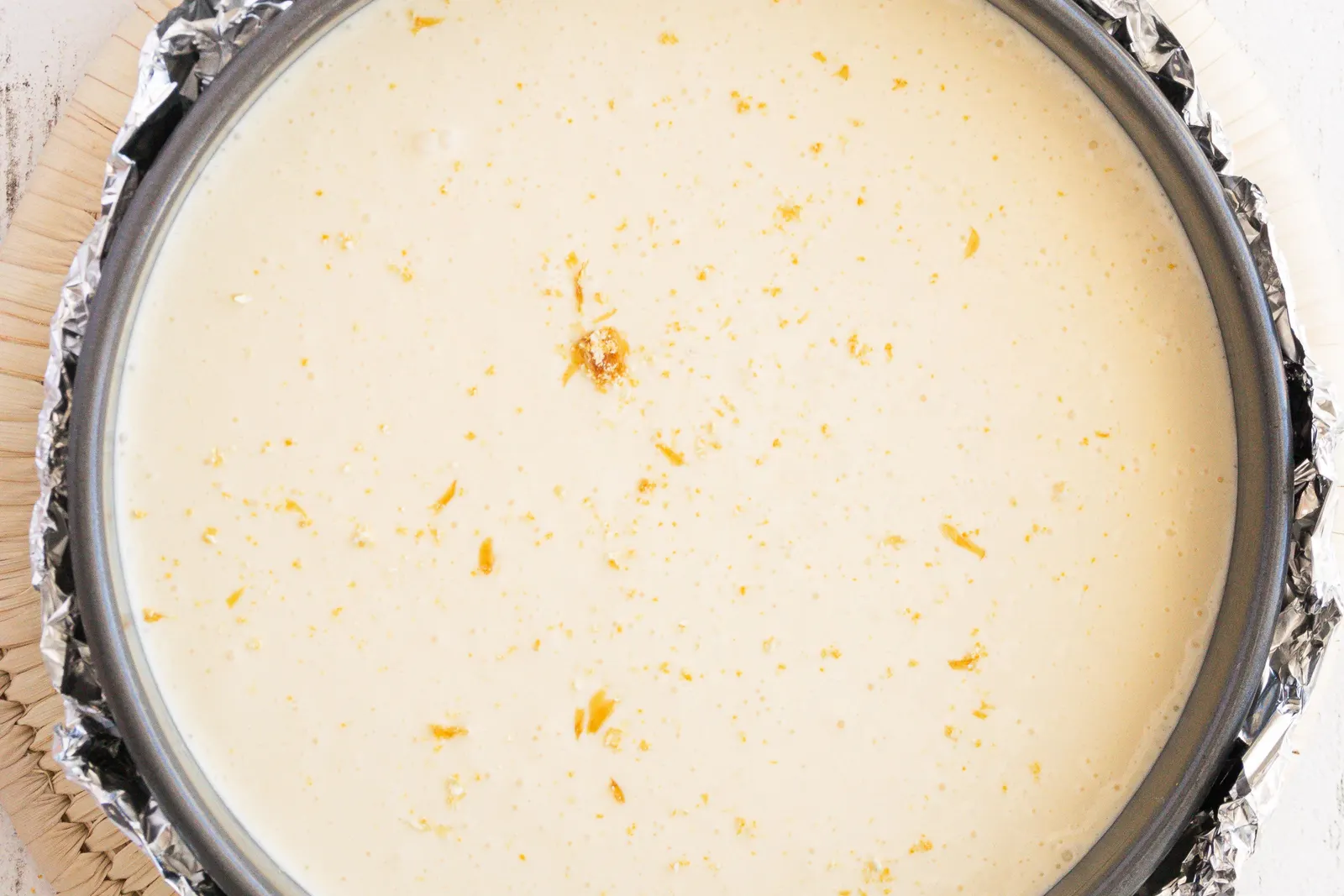
Water Bath for Cheesecake: Why and How to Use One
A water bath isn't fussy bakery tradition — it genuinely changes how evenly a cheesecake bakes. Here's why it works and how to set one up without water leaking into your pan.
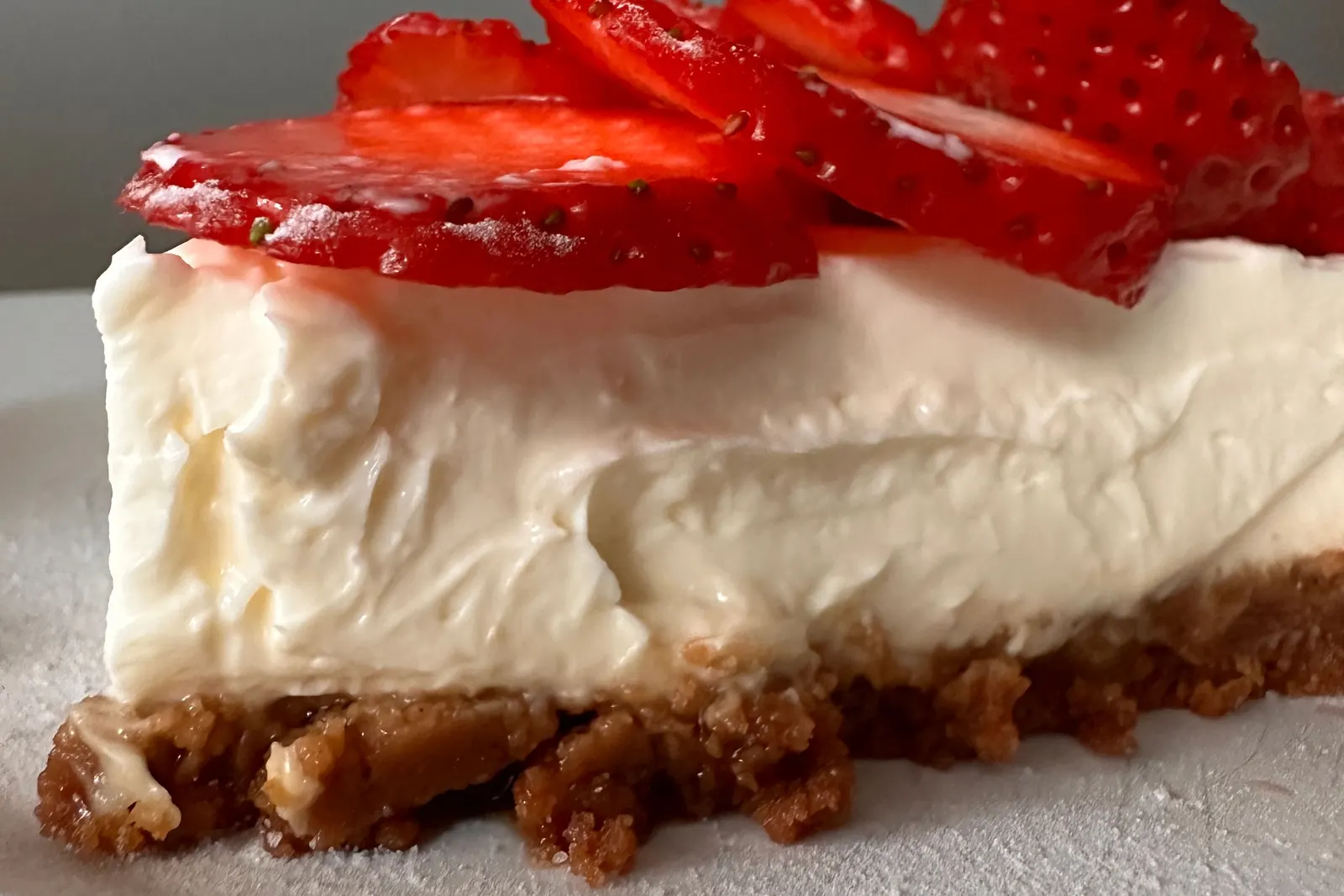
New York Cheesecake vs No-Bake Cheesecake: What's the Difference
Both are called cheesecake, but they're built completely differently — one is an egg-set baked custard, the other sets entirely through chilling. Here's how to choose between them.