New York Cheesecake vs No-Bake Cheesecake: What's the Difference
New York cheesecake and no-bake cheesecake share a name and a main ingredient (cream cheese), but almost everything else about how they're made — and how they taste and feel — is different. Knowing the difference helps you pick the right one for the occasion, the season, and your oven availability.
New York Cheesecake
A dense, rich, baked cheesecake set with eggs, usually baked in a water bath at a low, even temperature for a smooth, custard-like texture. It typically includes sour cream or heavy cream for extra richness and a slightly tangy edge, and it's baked on a graham cracker or cookie crumb crust.
- Texture: dense, rich, and slightly tangy, with a firm but creamy slice that holds a clean cut.
- Equipment: oven required; a water bath is recommended though not strictly mandatory (see water bath for cheesecake).
- Time: longer overall — baking plus a cooling and chilling period, usually several hours to overnight.
- Common problems: cracking (see why does cheesecake crack) and overbaking.
No-Bake Cheesecake
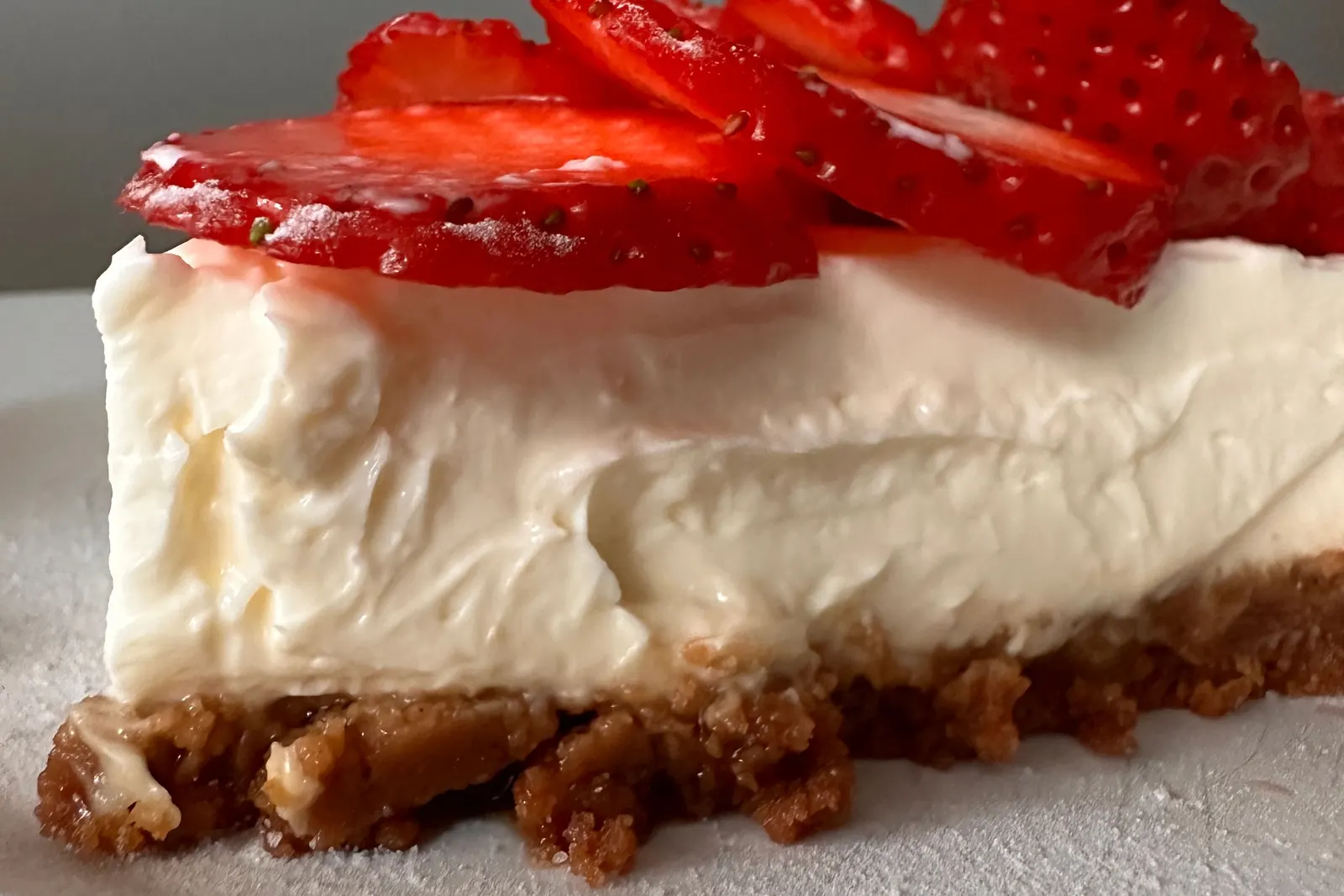
A lighter, mousse-like cheesecake with no eggs, set entirely through chilling. The filling usually combines cream cheese with whipped cream (and sometimes a stabilizer like gelatin), giving it an airier, softer texture than a baked cheesecake.
- Texture: lighter, airier, and softer — closer to a dense mousse than a firm custard.
- Equipment: no oven needed at all; just a mixer and a refrigerator.
- Time: shorter active prep, but needs a long chilling window (often 6–8 hours or overnight) to set.
- Common problems: not setting firm enough (see no-bake cheesecake not setting).
Which One Should You Make?
Choose New York cheesecake when you want a rich, dense, classic result and have time for the full bake-and-chill process, or when you specifically want that tangy, custard-like flavor.
Choose no-bake cheesecake when you don't want to run the oven (useful in hot weather), want a lighter result, or need something that comes together with less hands-on technique — there's no risk of cracking or overbaking since nothing goes in the oven.
Frequently Asked Questions
The names overlap, but the techniques don't — one is a baked custard, the other a chilled, whipped filling. Neither is a shortcut version of the other; they're genuinely different desserts that happen to share an ingredient and a name.
Cheesecakes, Cupcakes & Mini Cakes covers both styles in full, with recipes, technique notes, and troubleshooting for each.
See Cheesecakes, Cupcakes & Mini CakesRelated Articles
Why Does Cheesecake Crack? Causes and How to Prevent It
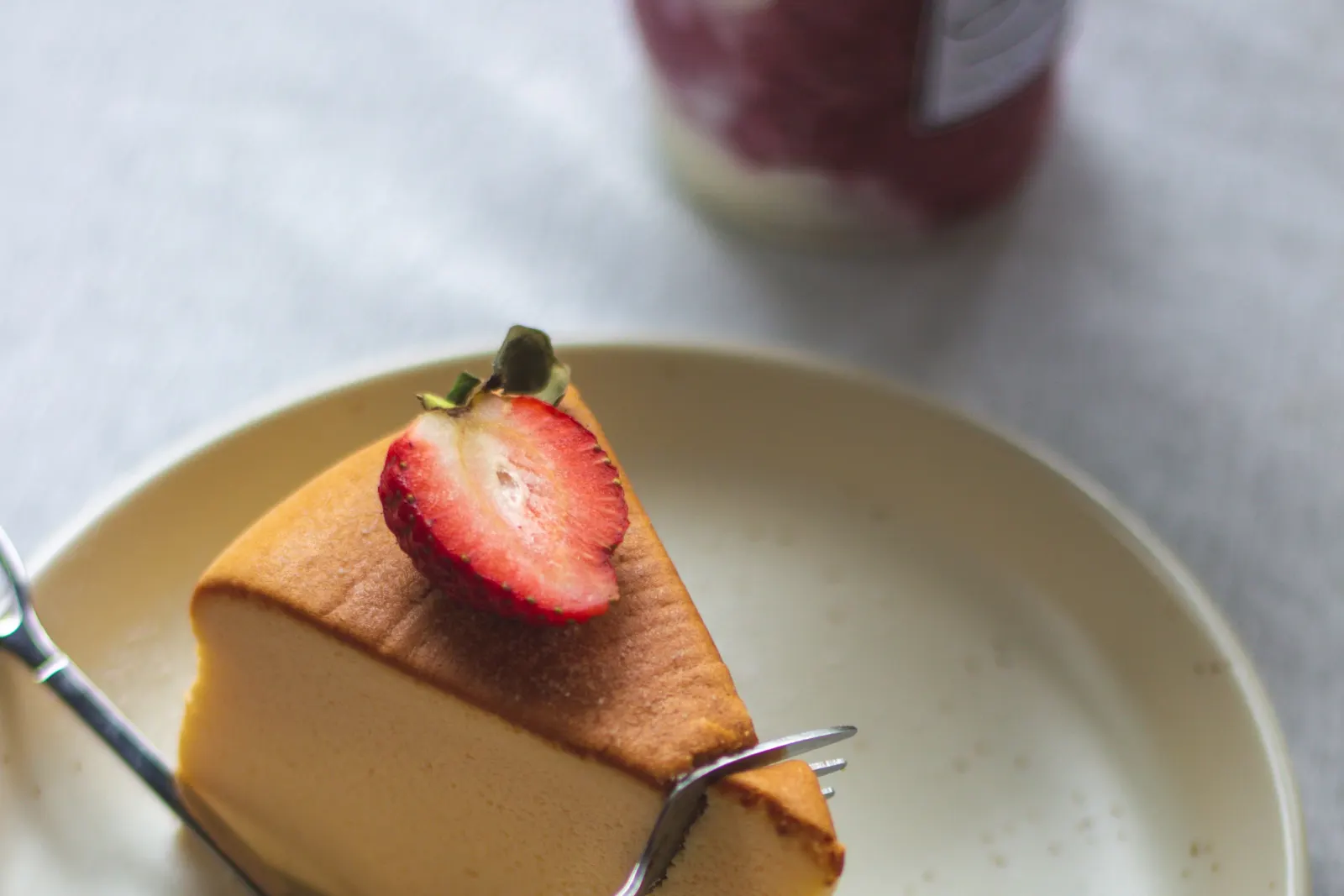
A cracked cheesecake almost always traces back to one of four things: too much time in the oven, cooling too fast, too much air in the batter, or sticking to the pan. Here's how to prevent each one.
No-Bake Cheesecake Not Setting? Common Causes and Fixes
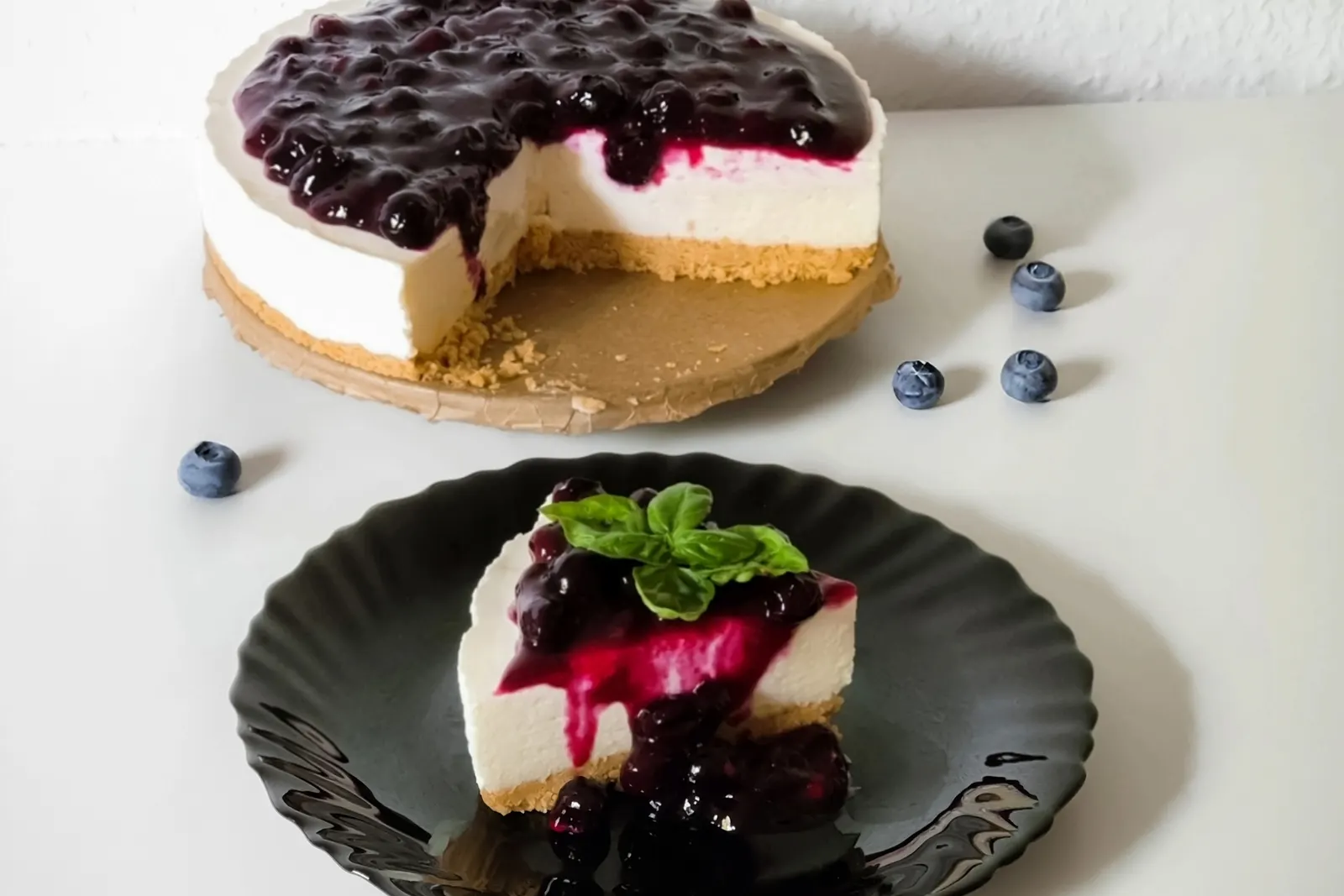
A no-bake cheesecake sets by chilling alone, which means there's no oven to fall back on if something goes wrong. Here's what usually causes a soft or runny result, and how to fix it.
Water Bath for Cheesecake: Why and How to Use One
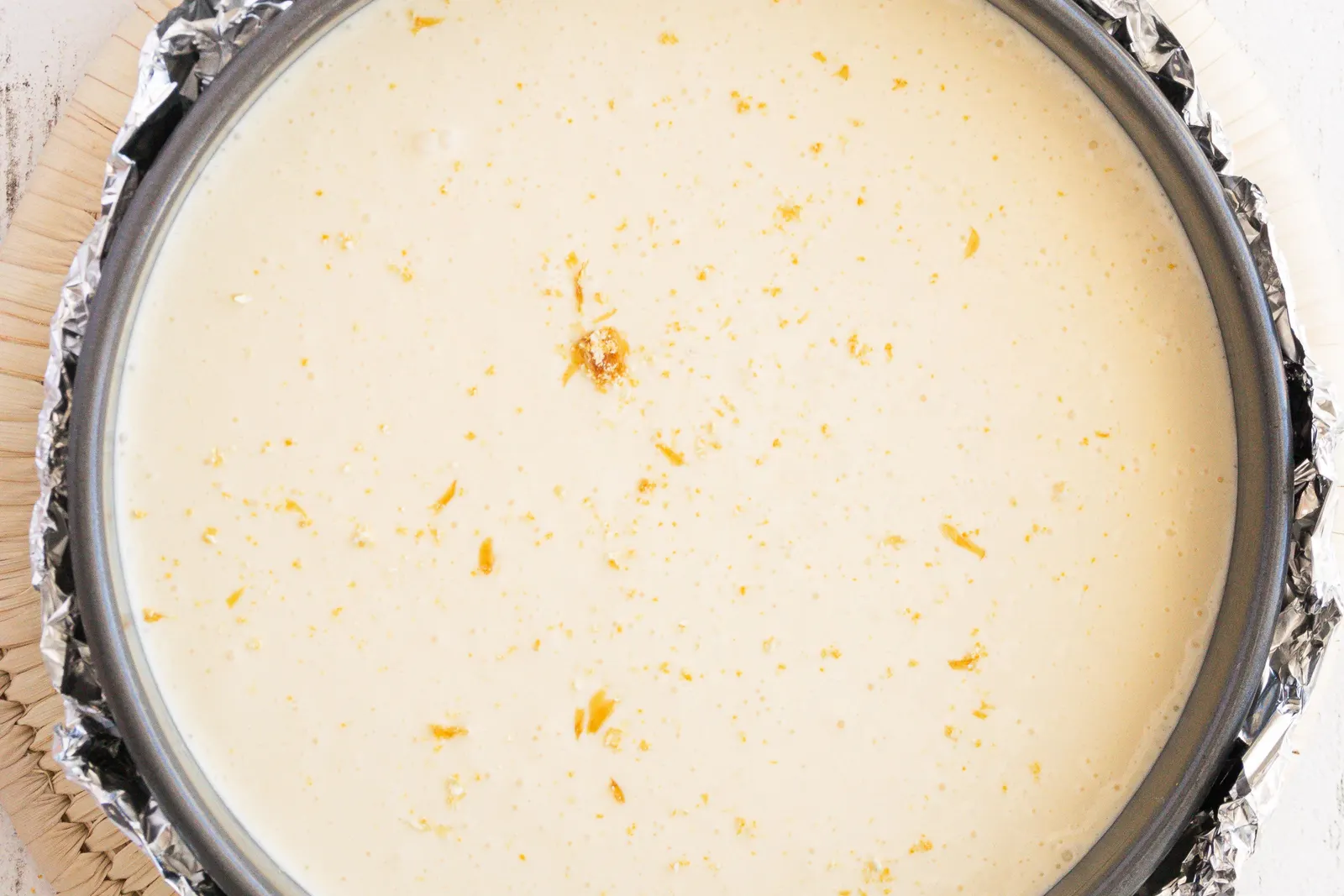
A water bath isn't fussy bakery tradition — it genuinely changes how evenly a cheesecake bakes. Here's why it works and how to set one up without water leaking into your pan.