Why Does Cheesecake Crack? Causes and How to Prevent It
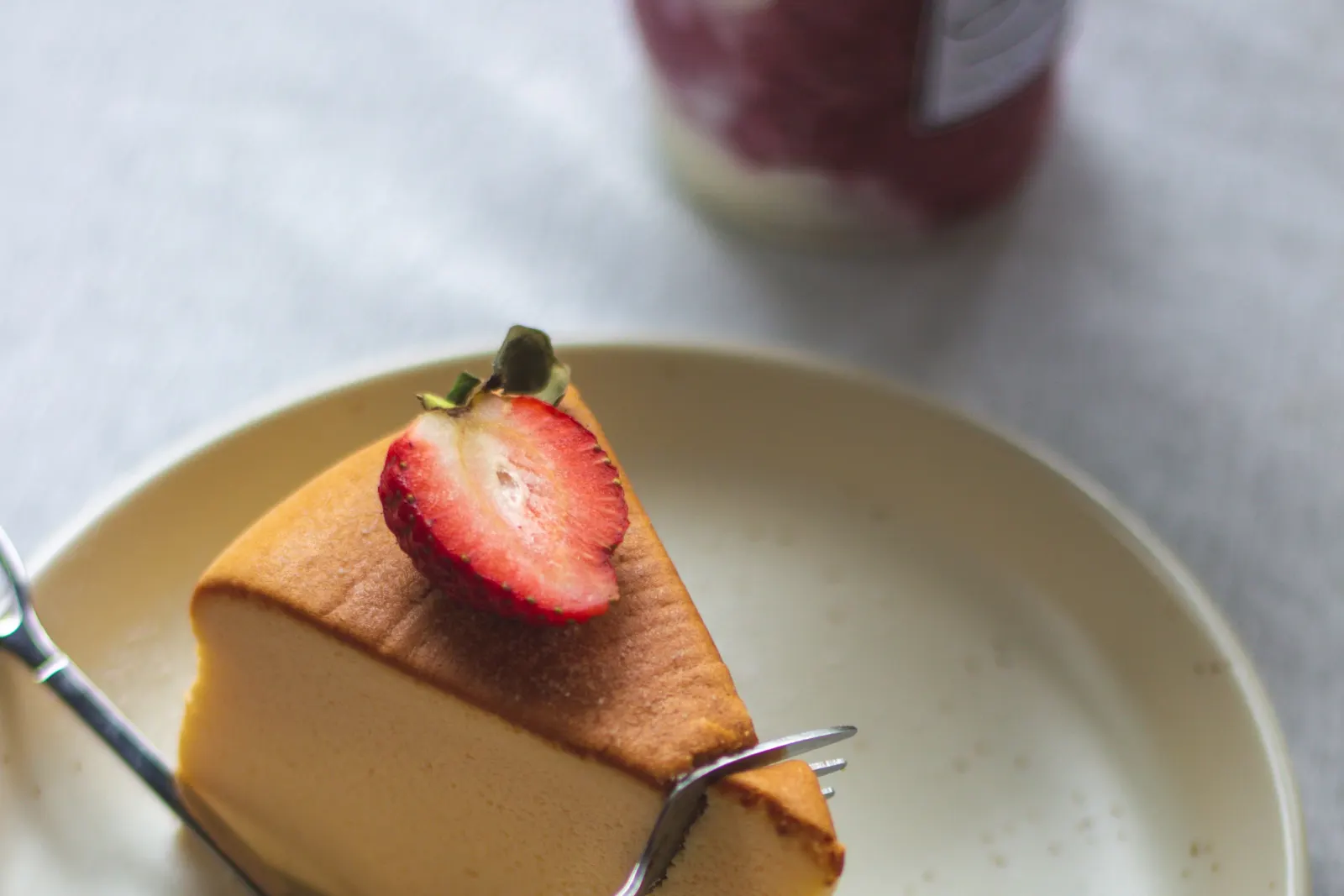
Cheesecake cracking is one of the most common frustrations in baking — the flavor is usually fine, but a deep crack across the top can be disappointing after all that effort. The causes are well understood and mostly avoidable with a few adjustments to technique.
This is specific to classic baked (New York-style) cheesecake — Basque burnt cheesecake is intentionally baked hot and uncovered, so cracking and deep browning aren't a flaw there, they're the style.
Cause 1: Overbaking
This is the most commonly cited cause. A cheesecake left in the oven too long continues to set and dry past the point it should, and the surface tightens and splits as it does. A properly baked cheesecake should still have a noticeable jiggle in the center — about the size of a quarter — when you take it out; it finishes setting as it cools.
Cause 2: Cooling Too Quickly
Cheesecake contracts slightly as it cools. If that happens too fast — straight from a hot oven into a cold refrigerator — the surface can crack under the sudden temperature change. Turn the oven off, prop the door open a few inches, and let the cheesecake cool inside the oven for about an hour before moving it to the counter and then the refrigerator.
Cause 3: Too Much Air in the Batter
Overbeating whips excess air into the batter. That air expands in the oven's heat, causing the cheesecake to puff up — and then it sinks and cracks as it cools and the air escapes. Mix just until each ingredient is incorporated, especially once the eggs are added; stop as soon as the batter looks smooth rather than continuing to beat it further.
Cause 4: Sticking to the Pan
As a cheesecake cools and contracts, it needs to be able to pull slightly inward and downward. If the edges are stuck to the pan, that contraction creates tension that shows up as a crack, or even tears the edge. Run a thin knife around the inside edge of the pan immediately after baking, while the cheesecake is still warm.
A Preventive Option: Water Bath
A water bath surrounds the pan with gentle, even, moist heat, which reduces the temperature swings that contribute to overbaking and surface tension in the first place. It's not strictly required, but it's the single most effective preventive step available. See water bath for cheesecake for the full method.
Frequently Asked Questions
Cracking comes down to heat, speed, air, and friction — overbaking, cooling too fast, overmixing, and sticking to the pan. Address those four and most cheesecakes come out smooth without needing a water bath at all, though a water bath adds a useful extra margin for error.
Cheesecakes, Cupcakes & Mini Cakes includes full troubleshooting guidance for classic, no-bake, and burnt-style cheesecakes alike.
See Cheesecakes, Cupcakes & Mini CakesRelated Articles
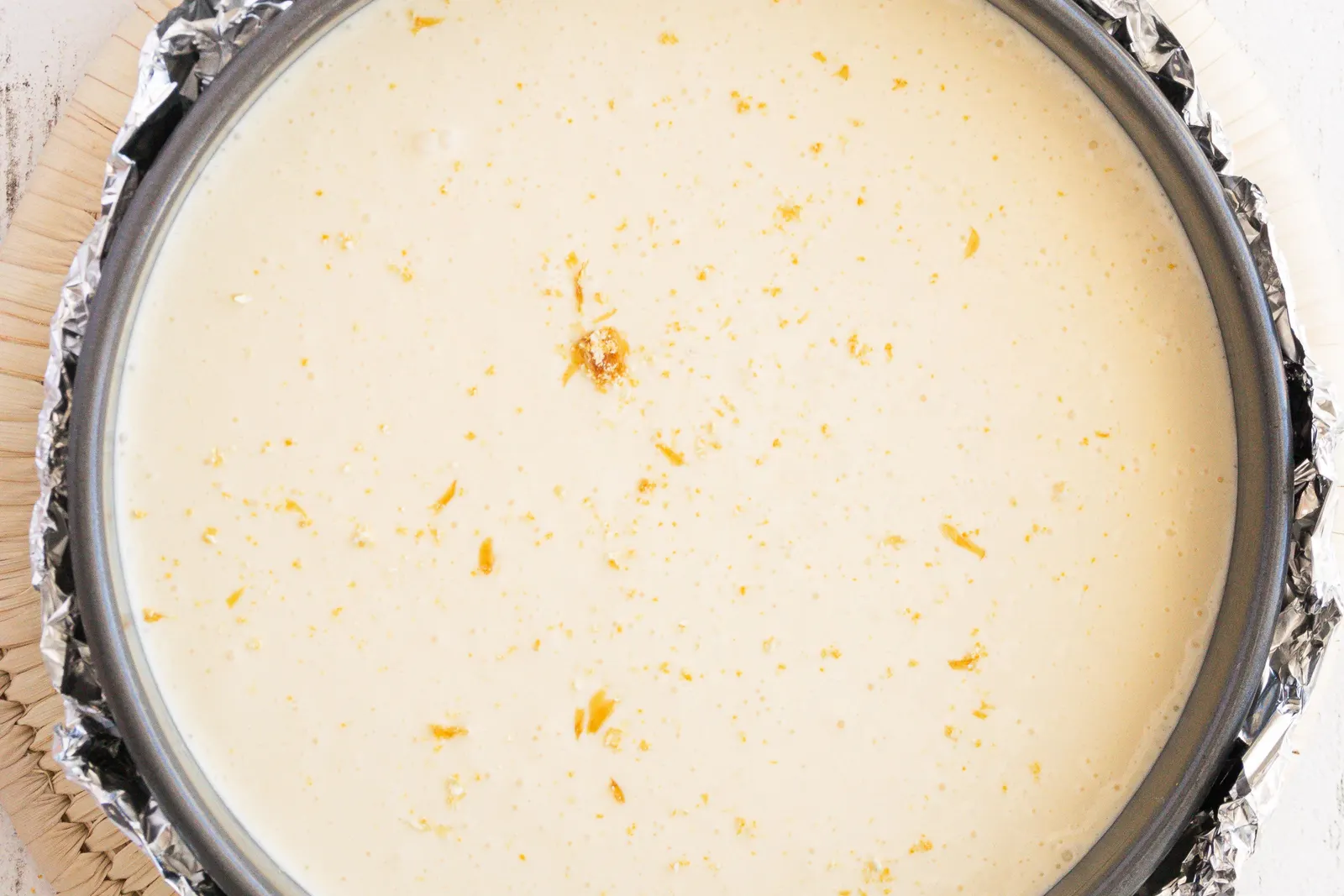
Water Bath for Cheesecake: Why and How to Use One
A water bath isn't fussy bakery tradition — it genuinely changes how evenly a cheesecake bakes. Here's why it works and how to set one up without water leaking into your pan.
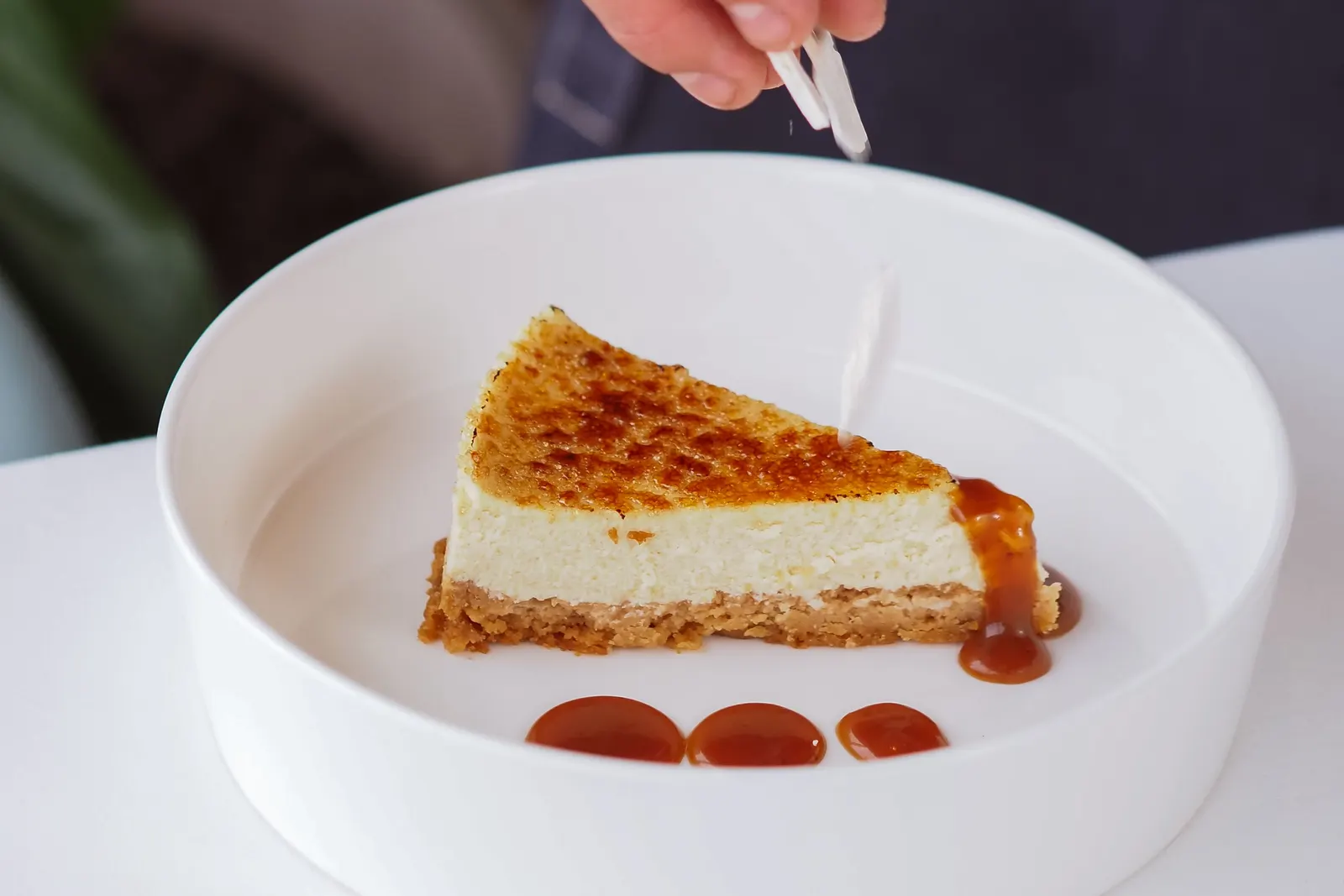
How to Make Basque Burnt Cheesecake at Home
No crust, no water bath, and a deliberately scorched top — Basque cheesecake breaks nearly every rule of a classic cheesecake, and that's exactly the point. Here's how to make one.
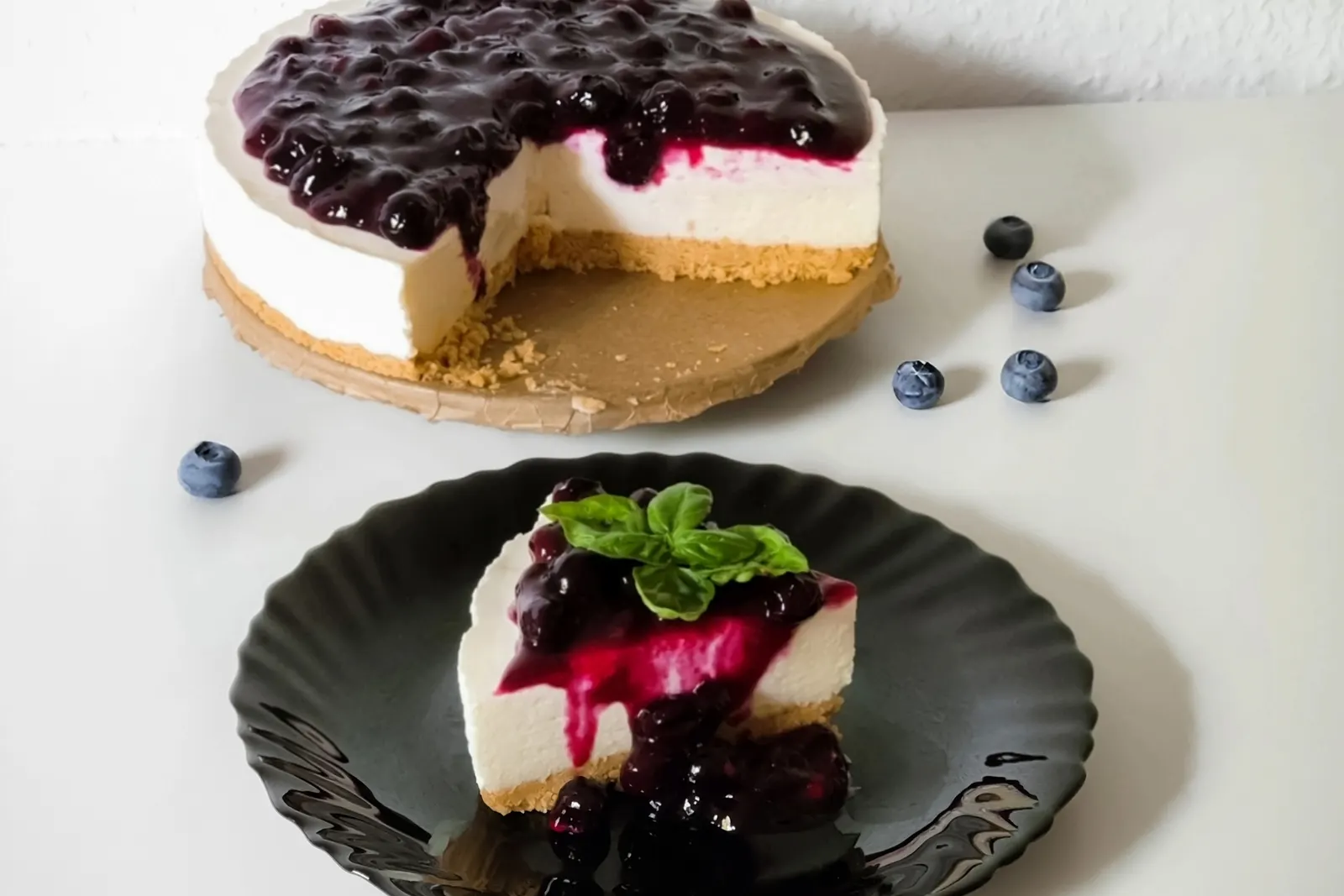
No-Bake Cheesecake Not Setting? Common Causes and Fixes
A no-bake cheesecake sets by chilling alone, which means there's no oven to fall back on if something goes wrong. Here's what usually causes a soft or runny result, and how to fix it.