A Beginner's Guide to Baking for Someone with a Dietary Need
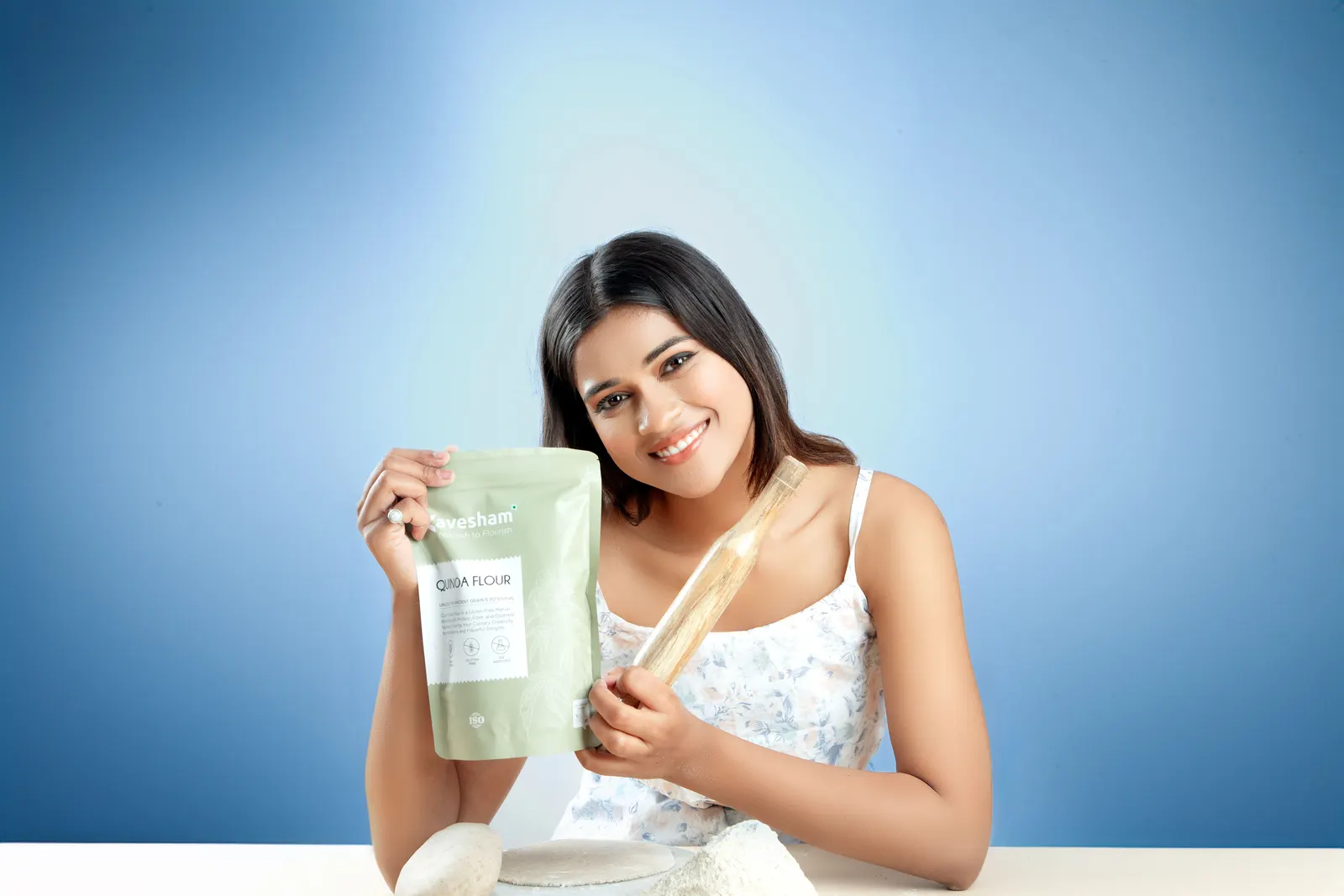
Baking for someone with a dietary restriction can feel intimidating if it's new to you, but it mostly comes down to understanding a handful of common substitutions and being realistic about what they will and won't replicate from the original recipe.
Gluten-Free Baking Basics
A 1:1 gluten-free flour blend (widely available, often containing a mix of rice flour, starches, and xanthan gum) is the most straightforward substitution for all-purpose flour in many recipes, especially quick breads, cookies, and simpler cakes. Results can be slightly more crumbly or dense than the original, since gluten's structural role is only partially replicated by these blends — this is a known, honest limitation, not a sign you did something wrong.
Dairy-Free Baking Basics
Plant-based milks (oat, almond, soy) substitute reasonably well for dairy milk in most recipes at a 1:1 ratio. Dairy-free butter alternatives or coconut oil can replace butter, though coconut oil solidifies and softens at different temperatures than butter, which can affect texture slightly. Full-fat coconut milk works well in recipes that call for heavy cream.
Egg-Free Baking Basics
See baking substitutions guide for specific egg-replacement options (applesauce, flax egg, yogurt) and the ratio for each — these work better in quick breads and muffins than in delicate, egg-structure-dependent recipes like sponge cake or meringue.
Frequently Asked Questions
Baking for a dietary need is approachable once you know the common substitutions and are honest about their limits — texture may shift slightly, and that's a normal, expected part of the adaptation, not a failure.
This article offers general baking substitution information, not medical or allergy-safety guidance — for anyone with a diagnosed allergy or celiac disease, always confirm specific ingredient and cross-contamination concerns directly with them.
Cake Baking for Beginners covers core substitutions in plain language as part of its full beginner lessons.
See Cake Baking for BeginnersRelated Articles
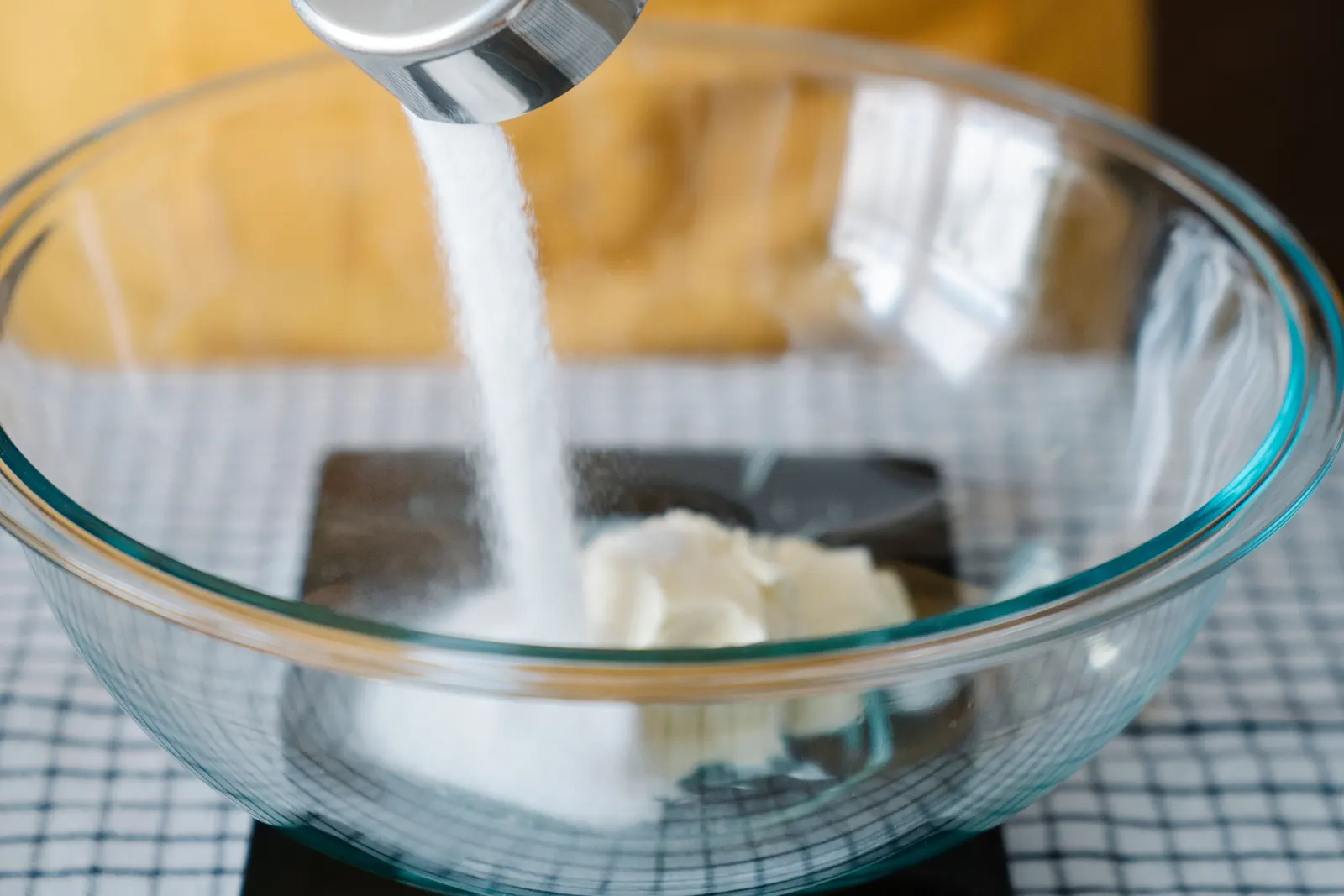
Baking Substitutions Guide: Common Ingredient Swaps That Actually Work
Out of buttermilk, baking powder, or brown sugar? Here's what actually works as a substitute, the exact ratio to use, and which swaps change the result enough to notice.
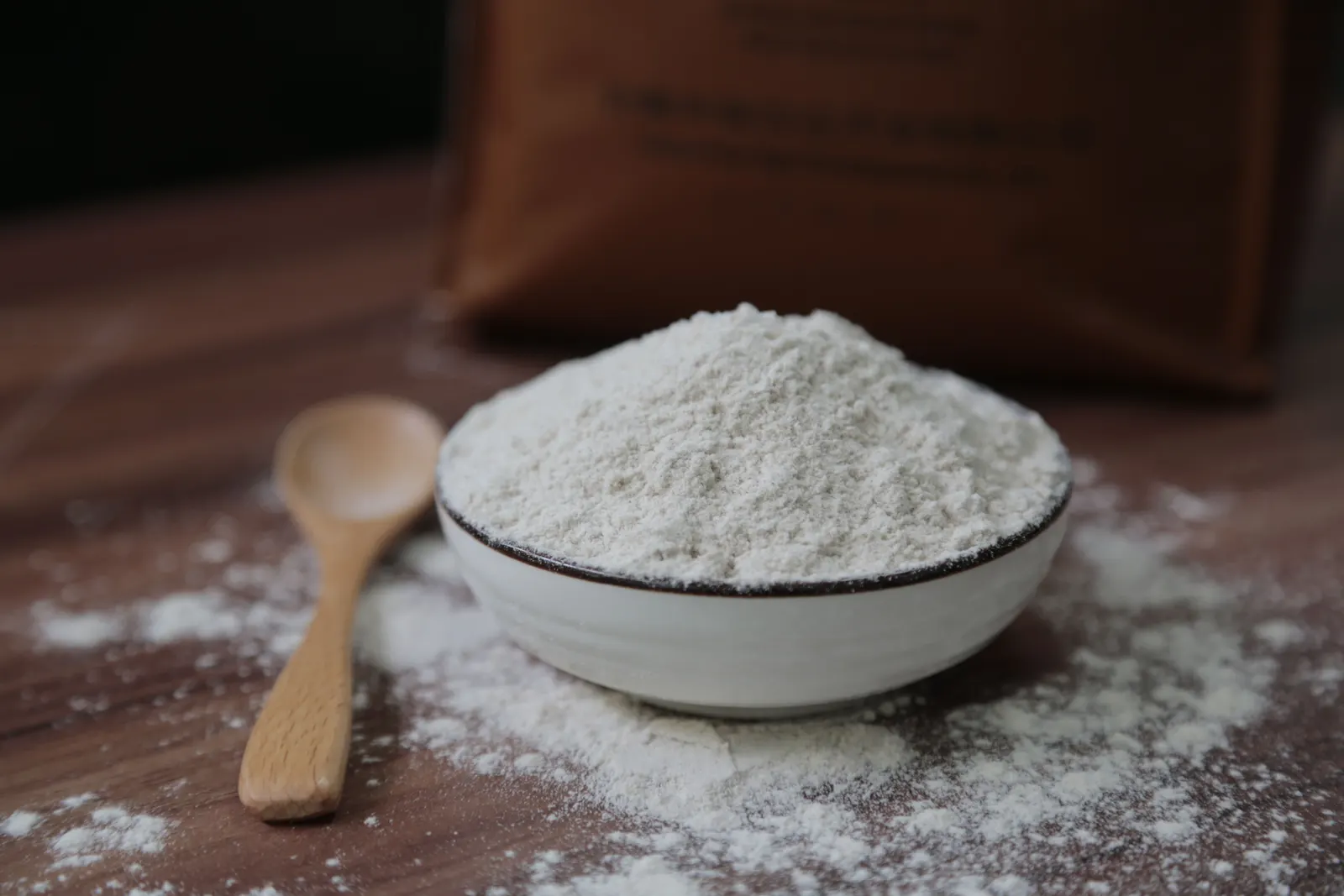
Cake Flour vs All-Purpose Flour: When It Actually Matters
Cake flour and all-purpose flour aren't interchangeable in every recipe, but the difference matters less often than you might think. Here's when it genuinely counts.

Enjoying Dessert Without the Guilt: A Realistic, Balanced Approach
Dessert doesn't have to be framed as a reward, a cheat, or something to feel guilty about — a simple, balanced mindset makes it just another part of eating well.