Enjoying Dessert Without the Guilt: A Realistic, Balanced Approach

A lot of common food messaging frames dessert as something to earn, justify, or feel guilty about afterward. That framing isn't necessary, and for a lot of people it actually makes the relationship with food more stressful rather than healthier. This isn't medical or nutritional advice — it's a mindset perspective, and it makes no promises about weight, health outcomes, or specific results.
Dessert Isn't a Moral Choice
Labeling food as good or bad tends to attach guilt to eating something enjoyable, which doesn't actually change the food's nutritional content — it just adds emotional weight to a normal, ordinary choice. Treating dessert as neither a reward nor a failure, just one part of how you eat overall, tends to feel more sustainable long-term than a strict all-or-nothing framing.
Balance Over Restriction
A pattern of overly strict restriction around desserts and treats often leads to one of two things: breaking the restriction and feeling guilty about it, or white-knuckling through cravings in a way that's mentally exhausting. A more moderate, balanced approach — genuinely enjoying dessert sometimes, without extreme restriction or extreme indulgence — tends to be easier to sustain and feel more at peace with.
Paying Attention While You Eat
Eating dessert slowly, without distraction, and actually noticing the flavor and texture tends to be more satisfying than eating it quickly or mindlessly — which can also naturally lead to feeling satisfied with a reasonable amount, rather than wanting more immediately after.
Baking It Yourself Changes the Relationship, Too
Making a dessert yourself — knowing exactly what's in it, choosing the portion, enjoying the process of making it — often changes the experience from something consumed passively to something genuinely participated in, which for many people reduces the guilt dynamic on its own.
Frequently Asked Questions
Dessert doesn't have to be a loaded decision — a balanced, non-restrictive mindset tends to make eating it (occasionally or regularly) a simpler, more enjoyable part of everyday life rather than something to negotiate with yourself about.
This article offers a general mindset perspective, not medical, nutritional, or weight-management advice — consult a healthcare professional for guidance specific to your own health.
If a homemade treat sounds appealing, the Cake & Baking Collection has ten standalone ebooks to choose from, each a one-time $2.99.
Explore the Cake & Baking CollectionRelated Articles
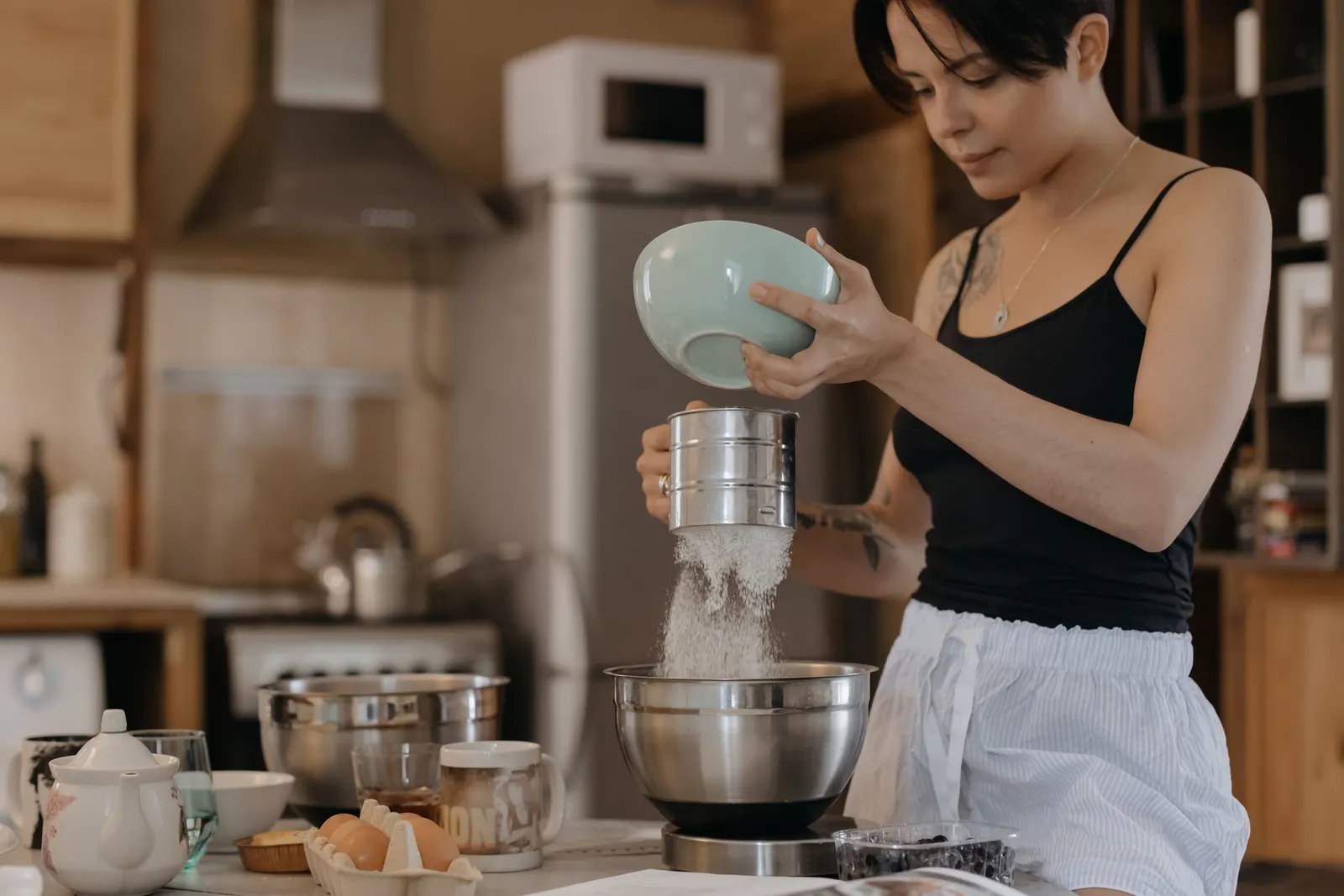
Why Baking Can Help You Relax: The Mindfulness Behind Mixing and Measuring
Measuring, mixing, and waiting are repetitive, focused tasks — and that's exactly what makes baking feel calming to a lot of people, not a coincidence.
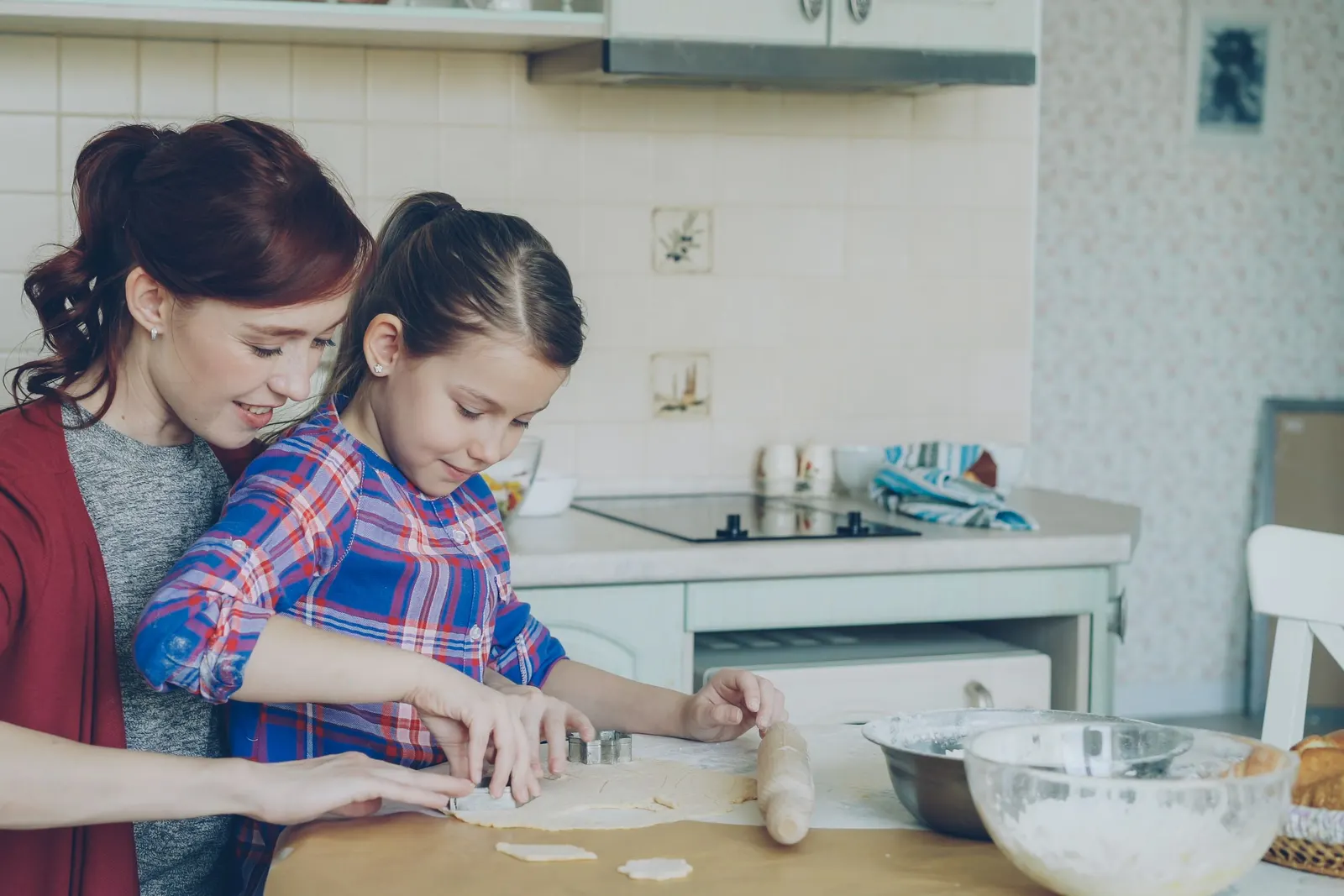
Baking as a Family Activity: Building Routines Kids Actually Enjoy
Baking with kids can be genuinely fun for everyone, or genuinely stressful for everyone — the difference usually comes down to picking the right task and the right recipe.
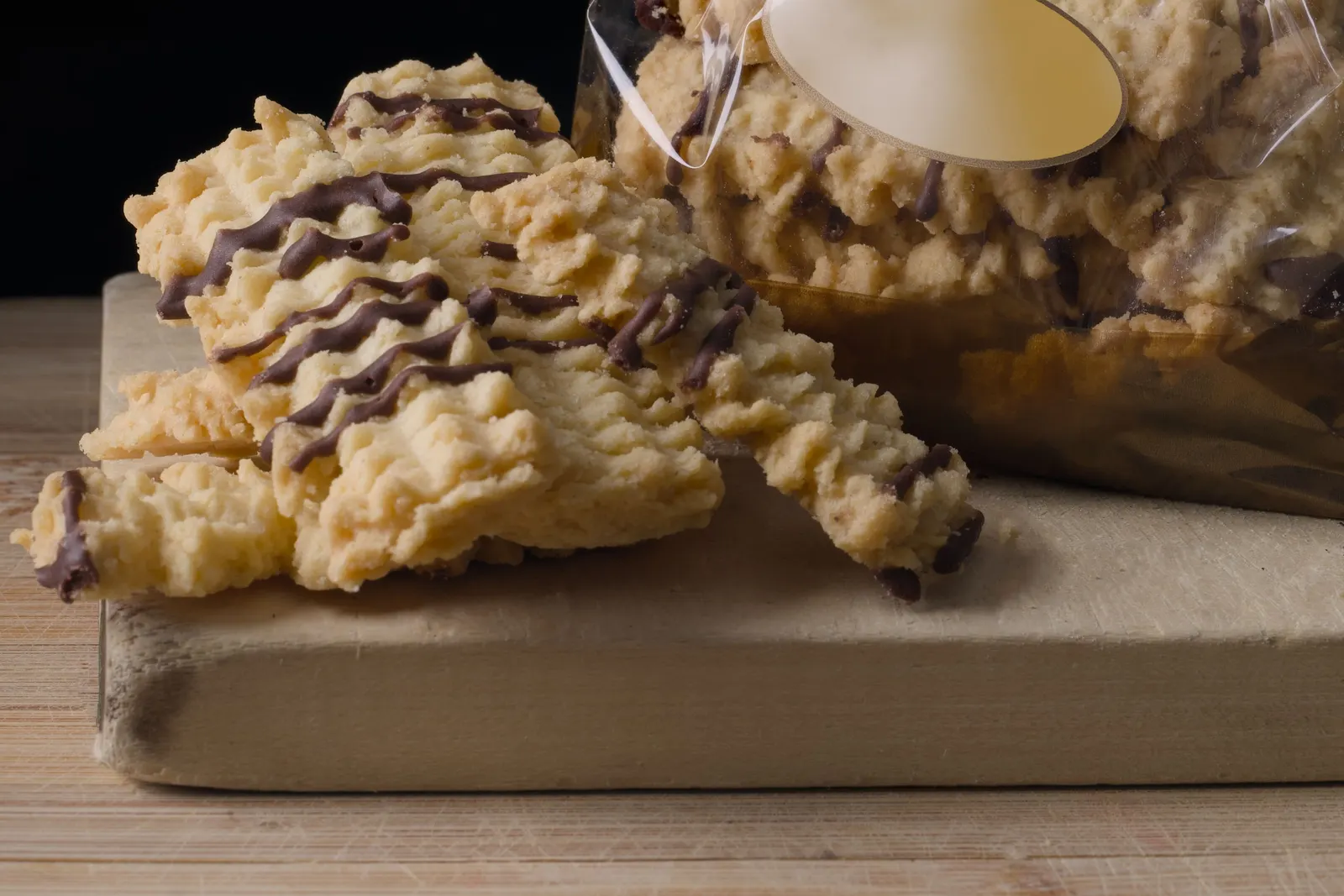
Gift-Worthy Baked Goods: Thoughtful, Homemade Gifts for Any Occasion
A homemade baked gift says more than a store-bought one — here's what travels well, how to package it properly, and a few ideas beyond the usual cookie tin.