Progressive Muscle Relaxation for Beginners: A Step-by-Step Guide
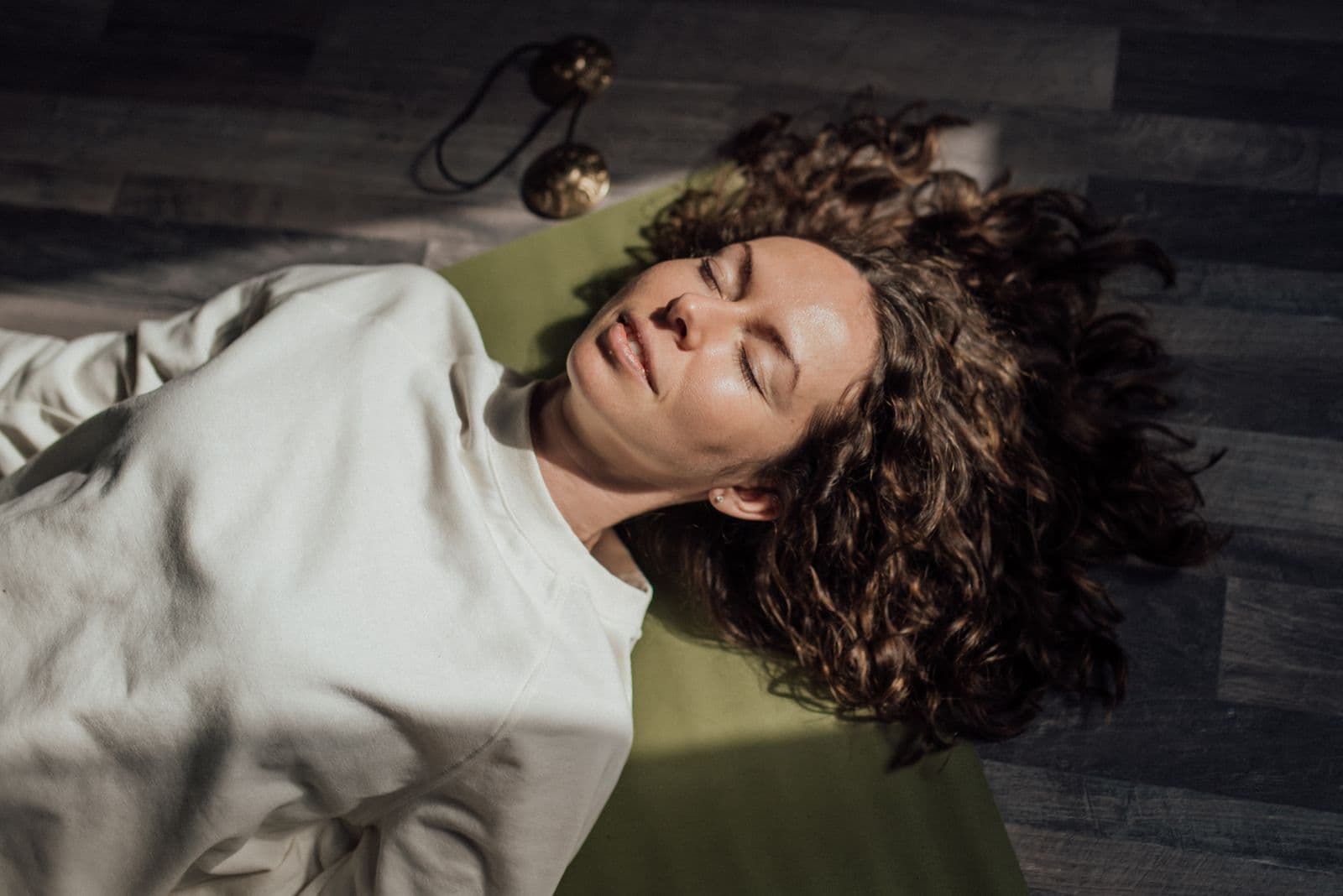
Many people carry tension without realizing it: clenched jaws, raised shoulders, tight hands on a keyboard. Progressive muscle relaxation is a simple technique for noticing that tension and letting it go, one part of your body at a time.
This guide explains what it is, how to do it step by step, and how to fit it into a busy day. It's a relaxation practice, not a treatment for any condition, and there are a few cautions to read before you start.
What Progressive Muscle Relaxation Is
The National Center for Complementary and Integrative Health (NCCIH) lists progressive relaxation among the relaxation techniques and describes it as tensing different muscles in your body and then releasing the tension. The idea is that by deliberately tightening a muscle group and then letting go, you become more aware of the difference between tension and relaxation.
NCCIH says relaxation techniques are generally considered safe for healthy people. It also notes that some people occasionally report negative experiences such as increased anxiety or intrusive thoughts, so it's worth approaching this gently and stopping if it feels wrong.
Safety First
Read this section before you try the exercise.
- Tense gently, not maximally. Use about moderate effort, and never to the point of pain or cramping.
- Skip any area that is injured, sore, or painful. If you have a muscle, joint, or back condition, ask your healthcare provider which areas to leave out.
- NCCIH notes rare reports that certain relaxation techniques might cause or worsen symptoms in people with epilepsy, certain psychiatric conditions, or a history of abuse or trauma. If any of those apply to you, talk with your provider before trying it.
- NCCIH also advises following any treatment plan your provider has given you and talking with them about complementary approaches. Relaxation is not a substitute for medical care.
- If you feel worse, dizzy, or panicky at any point, stop and breathe normally.
Set Up
Choose a quiet spot where you won't be interrupted for about ten minutes. Sit in a supportive chair or lie down on a bed, sofa, or mat. Loosen tight clothing, take off your shoes, and put your phone on silent. You can keep your eyes closed or rest them on a spot in front of you.
Start with a minute of slow, easy breathing. If you'd like a few options for that, see simple breathing exercises to calm down.
The Basic Method
For each muscle group, the pattern is the same. The exact timing is a matter of preference, so these numbers are a common starting point rather than a rule.
- Tense the muscles gently for about five seconds while breathing in or holding a normal breath. Do not strain.
- Release all at once as you breathe out, and let the muscles go limp.
- Rest for about fifteen to twenty seconds, noticing how the area feels different: warmer, heavier, or softer.
- Move on to the next group.
A 10-Minute Script
Work from your feet up, or from your head down; the order doesn't matter as long as you stay consistent. Here's a simple sequence.
- Feet: curl your toes gently, then release
- Calves: point your toes toward your head for a few seconds, then release
- Thighs: press your knees together or tighten the front of your thighs, then release
- Stomach: draw your belly in gently, then release
- Hands and forearms: make loose fists, then release
- Upper arms: bend your elbows and lightly tense your biceps, then release
- Shoulders: lift them toward your ears, then let them drop
- Neck and jaw: press your tongue lightly to the roof of your mouth or gently clench your jaw, then let your teeth part and your jaw hang loose (skip this if it's uncomfortable)
- Face: scrunch your eyes and forehead, then smooth them out
- Finish with a full scan: notice your whole body, breathe slowly for a minute, and open your eyes when you're ready
A Five-Minute Version
If ten minutes feels like too much, group the muscles into four bigger areas: hands and arms, face and shoulders, stomach and back, and legs and feet. Tense and release each area once, then finish with a minute of slow breathing. It's less thorough, but it's easier to fit into a lunch break, and something you actually do is better than a longer routine you skip.
Using It in the Evening
Many people like to do progressive muscle relaxation before bed, since a body that's been holding tension all day can feel restless. It can make a calming addition to an evening wind-down; see how to quiet a busy mind before bed for what to pair it with.
Keep expectations realistic. NCCIH notes that research on relaxation techniques for chronic insomnia is insufficient, so think of this as one relaxing habit, not a fix for sleep problems. If you regularly struggle to sleep for weeks, talk with a healthcare professional.
Tips for Getting the Most From It
A few small things make the practice easier.
- Practice at a calm time first so the technique is familiar when you're stressed
- Focus on the contrast between tense and relaxed rather than trying to force yourself to feel a particular way
- If your mind wanders, gently return to the muscle group you're on, without criticizing yourself
- Record yourself reading the script slowly, or read it once and follow it from memory
- Pair it with a habit you already have, such as after you finish work, so it becomes routine
How It Differs From Stretching
Progressive muscle relaxation is about tension and release, not flexibility. You don't pull or lengthen the muscles as you would in stretching. And for other quick ways to take the edge off, see how to reduce everyday stress in 10 minutes or less.
Frequently Asked Questions
Progressive muscle relaxation is a simple, gentle way to notice where you hold tension and let it go. Tense lightly, release fully, work through the major muscle groups, and keep the whole thing comfortable. Start with the five-minute version if you're short on time, and speak with your healthcare provider first if any of the cautions above apply to you.
When to Get Support
Progressive muscle relaxation is a self-care practice, not a treatment for any condition. Skip any injured or painful area. If you have epilepsy, a psychiatric condition, or a history of abuse or trauma, or if the exercise increases your anxiety or brings up distressing thoughts, stop and talk with your healthcare provider first. If tension, stress, or poor sleep has lasted for weeks, consider talking with a doctor or a licensed mental health professional; NIMH's guide explains how to find help.
Sources
- NCCIH (NIH) — Relaxation Techniques: What You Need To Know
- National Institute of Mental Health — Caring for Your Mental Health
General wellness information, not medical advice. Talk with a qualified healthcare professional about your own situation.
For more calming routines you can repeat daily, the Mental Wellness Guide includes calm-habit routines and simple tools for stress, with a matching planner and 30-day system.
See the Mental Wellness GuideRelated Articles
Simple Breathing Exercises to Calm Down in Five Minutes
Slow breathing is one of the simplest relaxation techniques there is. Here are three easy exercises, a five-minute routine, and what to do if breathing practice makes you feel worse instead of calmer.

How to Decompress After a Stressful Day: 10 Healthy Ways to Reset
The workday ends, but your mind hasn't caught up. Here are ten healthy ways to close out a stressful day, and a simple 20-minute reset you can adapt to your evening.
How to Quiet a Busy Mind Before Bed: A 10-Minute Brain Dump
Lying awake with tomorrow's to-do list on a loop? A short written brain dump before bed can get it out of your head and onto paper. Here's a 10-minute method, plus a plan for the middle of the night.